

Can You Exercise After a Massage? What to Do Before and After Treatment. Quick answer: Gentle movement after a massage is often comfortable, but an intense workout may be better postponed if you feel tender, unusually relaxed, light-headed or less stable than normal. There is no universal waiting time: consider the type of massage, the pressure used, how your body responds and what exercise you plan to do.
You may book a massage to support an active lifestyle, recover after training or ease tension before returning to the gym. A common question then follows: should you exercise before the massage, afterwards, or on a different day?
The answer is not simply “always wait 24 hours”. A gentle walk after a relaxing massage is very different from heavy squats after focused work on the hips and legs. At Mediterranean Therapy in Bath, aftercare is considered in relation to the individual treatment rather than one rule for everyone.
Sometimes, but it depends on how you feel and what the session involved. If the massage was gentle, you feel alert and comfortable, and the planned activity is light, you may not need to avoid movement.
An intense session is a different decision. Deep or concentrated work may leave an area temporarily tender, and a deeply relaxing treatment may make you feel less ready for heavy lifting, fast running or technically demanding exercise. Training through discomfort is unlikely to tell you anything useful about the quality of the massage.
There is no evidence-based waiting period that applies to every healthy person. As a practical approach, give yourself time to notice how the treated area responds. If you feel normal, comfortable movement may be reasonable. If you are sore, heavy or unusually fatigued, move the hard session to another day.
The direction of change matters. Mild tenderness should settle, not become progressively stronger. The previous article in this series explains what is usually temporary and when post-massage pain should not be dismissed as normal.
For many people, low-intensity activity feels better than complete inactivity. Depending on your usual ability and health, this might include:
Avoid using aggressive stretching, heavy loading or a hard workout to “test” a tender area. Stop if movement produces sharp pain, worsening symptoms, dizziness, weakness or anything that feels unusual for you.
The best timing depends on your purpose. Before exercise, a massage should not replace a proper sport-specific warm-up. Research does not show that massage reliably improves athletic performance, and longer pre-performance massage may be unhelpful for strength or sprint readiness.
After strenuous exercise, massage may help some people feel less sore and improve perceived recovery, but the research suggests that improvements in performance recovery are generally small or inconsistent. Massage can support a recovery routine; it is not a substitute for sleep, nutrition, gradual training and appropriate medical or physiotherapy care.
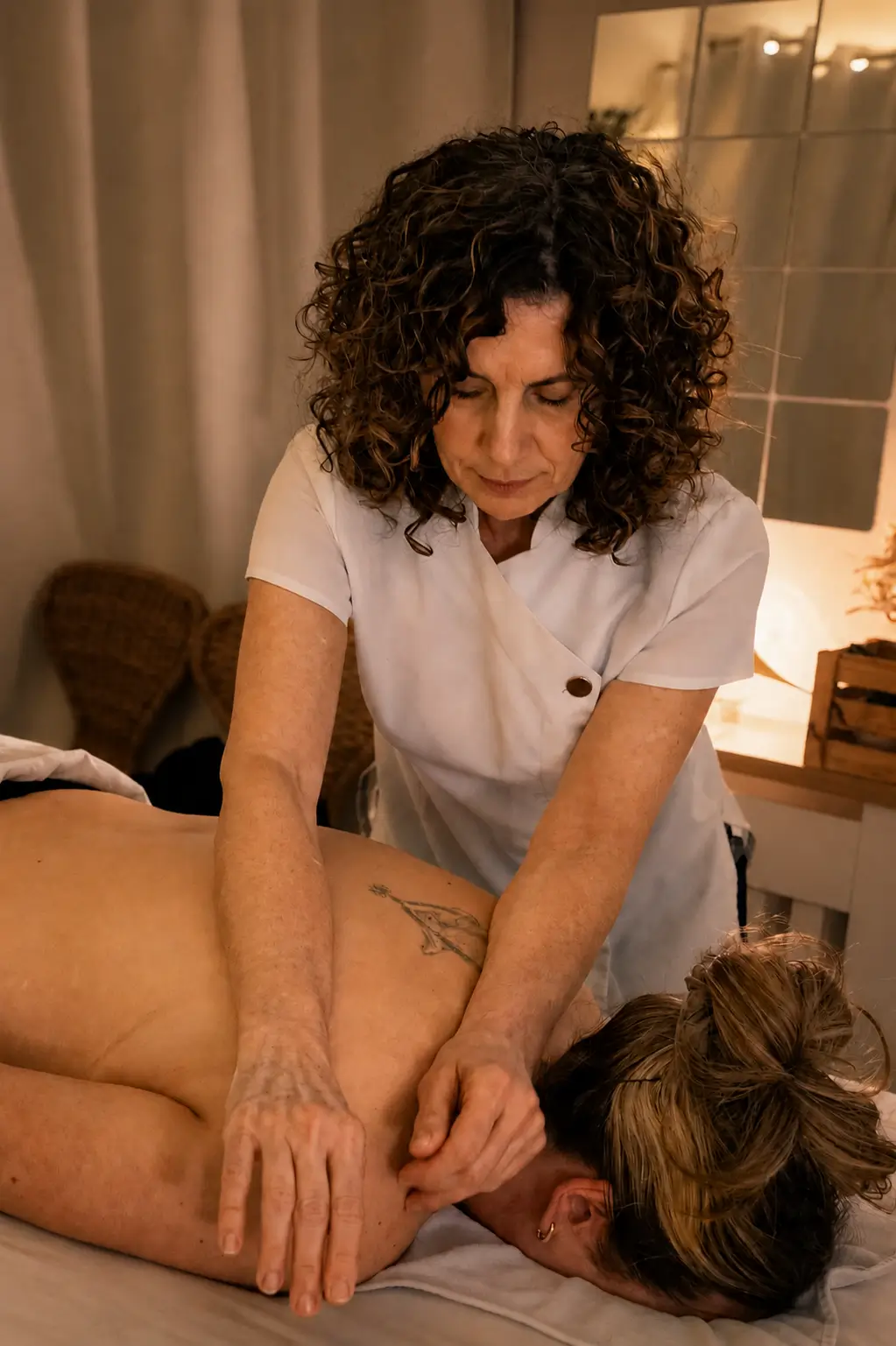
Yes, many people book after training. Allow your breathing and body temperature to return towards normal, drink according to thirst and arrive clean and comfortable. Tell the therapist what exercise you completed, which areas were heavily loaded and whether you noticed pain rather than ordinary fatigue.
If you have just sustained an injury, have significant swelling or bruising, or cannot use the area normally, massage should not be treated as a way to push through it. A GP, physiotherapist or NHS 111 may be more appropriate.
If performance matters – for example, before a race, match or demanding gym session – arrange the massage at a time when you already know how your body tends to respond. Do not experiment with unfamiliar deep work immediately before an important event.
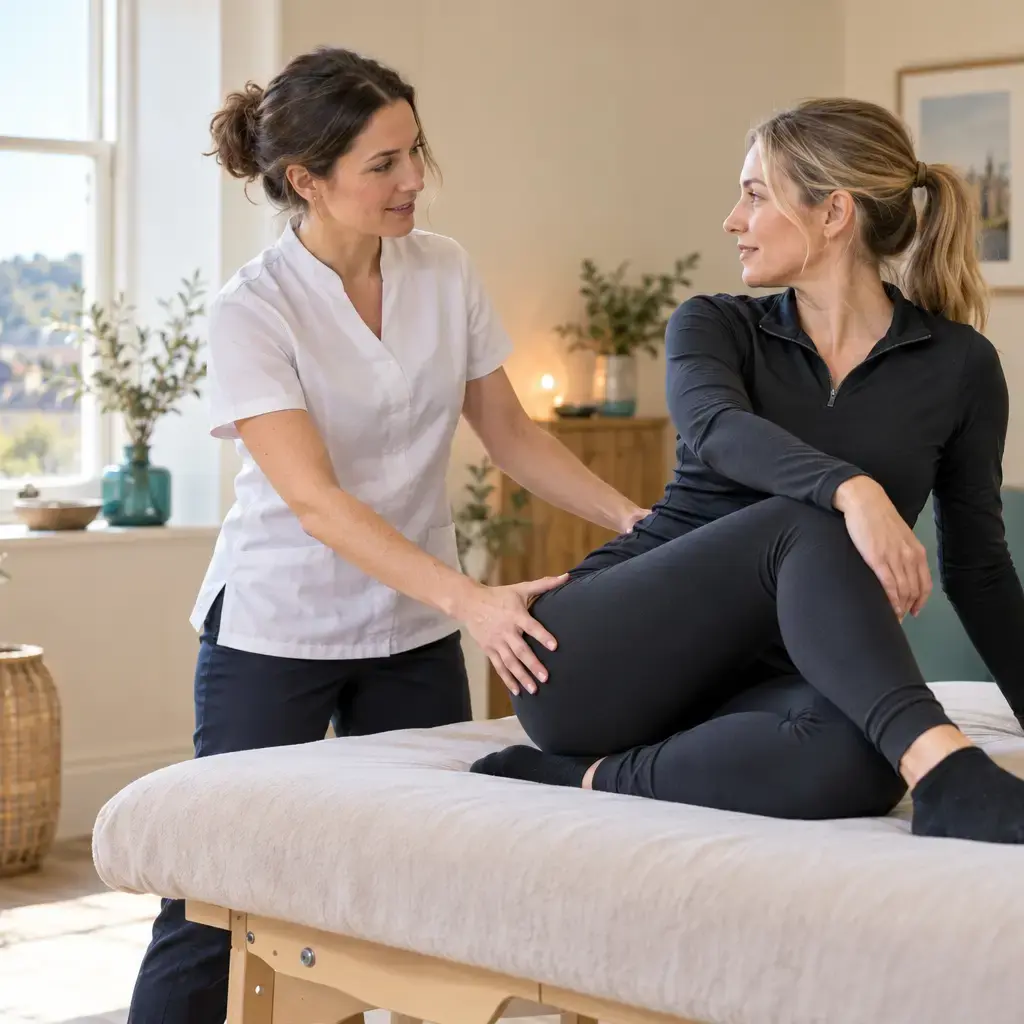
Tell your therapist about your training schedule and goal. Pressure, focus and treatment style can then be adapted. A Swedish Massage may suit a relaxation or rest day, while targeted Deep Tissue Massage may be planned when there is enough time to observe any temporary tenderness.
Possibly. Light activity may be comfortable, but postpone heavy or intense training if you feel tender, tired, dizzy or less coordinated than normal.
An easy run may feel fine after a gentle treatment if you have no unusual symptoms. After focused work on the legs, hips or feet, it may be more sensible to wait until movement feels comfortable and normal.
A rest or lower-intensity day can make scheduling simpler, particularly for deeper work. It gives you time to notice your response without needing to complete a demanding session immediately afterwards.
Massage may reduce perceived soreness and support flexibility for some people, but improvements in performance recovery are usually modest. It should be one part of a broader recovery plan.
At Mediterranean Therapy, your treatment can be adapted around exercise, work demands and how your body feels on the day. The aim is not to follow the strongest routine, but to choose pressure and timing that support your goal safely and comfortably.
Explore Deep Tissue Massage in Bath, Swedish Massage in Bath or book an appointment for personalised guidance.
Enjoy your treatment at Mediterranean Therapy, located inside The Soul Spa a serene, centrally located wellness space in the heart of Bath:
2 Hetling Court, Bath. Tel: 07378275075
Click and get directions
Relax with a massage. Your expert massage therapist in Bath is ready to help you restore balance and calm, the best experience massage in Bath.

Massage therapist, facials and skincare with 5 star hotel experiences, an expert in a wide range of treatments.
Mediterranean Therapy
2 Hetling Court Bath - Tel: 07378275075
30 mins – Click to Book!
1 hour – Click to Book!
Mediterranean Therapy
Unwind and Rejuvenate, Mediterranean Therapy helps your body to relieve tension and pain, while our rejuvenation service restore your body's natural balance and vitality.
Subscribe now for latest news and updates. Privacy Policy.
WhatsApp us