

Piriformis Syndrome or Sciatica? Why Buttock Pain Can Travel Down the Leg

Piriformis Syndrome or Sciatica? Why Buttock Pain Can Travel Down the Leg

A deep ache in one buttock. A pulling sensation through the hip. Burning, tingling or discomfort that seems to travel down the back of the leg.

Many people experiencing these symptoms immediately think: “Is this sciatica?”

Sometimes it may be. But pain around the buttock, hip and leg can have different causes, and one area that often attracts attention is a small, deep muscle called the piriformis.

Sciatica and piriformis-related pain can feel surprisingly similar. This is one reason why simply massaging the exact spot that hurts isn’t always the best way to understand what your body is experiencing.

The lower back, pelvis, hips, gluteal muscles and legs work together. Tension or irritation in one area can sometimes be felt somewhere else.

Understanding these connections can help explain why a thoughtful massage treatment may involve much more than the painful area itself.

Book your professional Massage in Bath.

What Exactly Is Sciatica?

Sciatica isn’t simply another name for lower back pain.

The term describes symptoms associated with irritation or compression involving the sciatic nerve or the nerve roots that form it.

The sciatic nerve is the largest nerve in the body. It originates from nerve roots in the lower spine and travels through the pelvic and buttock region before continuing down the leg.

Typical symptoms can include:

•  pain beginning around the lower back or buttock and travelling down one leg
•  burning or shooting pain
•  pins and needles or tingling
•  numbness
•  occasionally weakness in the affected leg or foot.

For some people the discomfort is relatively mild. For others it can make sitting, walking, driving or sleeping uncomfortable.

Importantly, true sciatica frequently has its origin around the lumbar spine, rather than in the muscles of the buttock themselves.

That distinction matters.

So What Is the Piriformis?

The piriformis is a relatively small muscle located deep within the buttock.

It connects the sacral region to the upper part of the femur and contributes to movement and stability around the hip.

Although it is small, its location makes it particularly interesting.

The sciatic nerve normally passes very close to the piriformis, and anatomical relationships between the muscle and nerve vary between individuals.

When structures within this deep gluteal region become irritated, symptoms may sometimes resemble sciatica.

This is where the term piriformis syndrome is often used.

Piriformis Syndrome vs Sciatica: What’s the Difference?

This is the difficult part because the symptoms can overlap.

Piriformis syndrome is generally used to describe symptoms thought to result from irritation or compression of the sciatic nerve around the piriformis/deep gluteal region.

Someone may experience:

•  deep buttock pain
•  tenderness around the gluteal area
•  discomfort when sitting for long periods
•  hip discomfort
•  pain that sometimes travels into the back of the thigh or further down the leg.

Sciatica arising from the lumbar spine can also produce buttock and leg pain.

From the person’s perspective, therefore, both can simply feel like:

“I have pain in my bum and it goes down my leg.”

This is exactly why self-diagnosing piriformis syndrome from symptoms alone can be misleading.

The piriformis may be involved but it isn’t automatically the cause.

Why the Place That Hurts Isn’t Always the Source

One of the most useful concepts in musculoskeletal therapy is that the location of pain doesn’t always tell us where the problem started.

Imagine someone arriving for a massage saying:

“It hurts here.”

They point to the middle of their right buttock.

It would be easy to assume that the solution is simply to apply deep pressure directly to that spot.

But the body doesn’t always work that way.

A therapist may need to consider the surrounding areas too:

Lower back → pelvis → glutes → piriformis → hip → hamstrings → leg

Muscles and joints don’t function independently. They influence one another through movement, posture, loading and compensation.

This broader way of looking at muscular pain is particularly relevant when someone experiences recurring tightness rather than a straightforward post-exercise ache.

Why Might the Piriformis and Glutes Become Tight?

There isn’t one universal explanation.

Different lifestyles place different demands on the hips and gluteal muscles.

Sitting for long periods

Long periods at a desk, driving or travelling can leave the hips feeling stiff and the gluteal area uncomfortable.

Some people particularly notice deep buttock pain after getting out of a chair or car.

Running and sport

Running, cycling, hiking and sports involving repeated hip movement place significant demands on the gluteal muscles and hip stabilisers.

This doesn’t mean exercise is harmful quite the opposite but increased training loads or changes in activity can sometimes be accompanied by muscular tension.

Repetitive physical work

Jobs involving standing, bending, lifting or repeated movement can create their own patterns of muscular fatigue.

Changes in movement

An uncomfortable knee, ankle or lower back may subtly change the way someone walks or moves.

Over time, another part of the body may begin doing more work.

Again, this illustrates why treating only the painful point may miss part of the picture.

Can Tight Glutes Cause Pain Down the Leg?

Muscular tension in the gluteal region can certainly contribute to discomfort around the buttock and hip.

However, pain travelling down the leg particularly when accompanied by numbness, tingling or weakness shouldn’t automatically be blamed on a tight muscle.

Nerves behave differently from muscles.

A tight muscle may feel achy, tender or restricted. Neural symptoms may feel burning, electric, shooting, numb or tingly.

There can also be overlap.

For a massage therapist, recognising that distinction is important because aggressive deep tissue work isn’t necessarily appropriate simply because somebody asks for a “really deep massage”.

Sometimes less pressure and more careful assessment are the better choices.

Can Massage Help Sciatica or Piriformis-Related Pain?

Massage cannot correct every underlying cause of sciatica, and a massage therapist should not claim to diagnose or cure a neurological condition.

However, massage may be helpful for associated muscular tension, stiffness and discomfort, depending on what is contributing to the person’s symptoms.

For example, treatment might focus on tension involving the:

•  gluteal muscles
•  deep external hip rotators
•  lower back muscles
•  hip area
•  hamstrings
•  surrounding soft tissues

The aim isn’t simply to “push on the sciatic nerve”.

In fact, directly and aggressively pressing onto an irritated nerve would not be appropriate.

Instead, massage may be used to help reduce surrounding muscular tension and encourage more comfortable movement.

Deep Tissue Massage for Buttock, Hip and Lower Back Tension

People searching online for deep tissue massage in Bath often assume that deep tissue means the therapist simply presses harder.

Good deep tissue work should be more considered than that.

Pressure should be adapted according to the tissue, the individual and the symptoms present.

When treating persistent gluteal or hip tension, a session may include slower, focused techniques directed towards relevant muscle groups rather than using maximum pressure everywhere.

This is particularly important around sensitive areas such as the deep gluteal region.

Effective doesn’t necessarily mean painful.

What About Sports Massage?

You don’t need to be an athlete to benefit from principles commonly associated with sports massage.

Sports and therapeutic massage approaches often consider movement patterns, muscular loading, areas of restriction and how different tissues may be interacting.

This can be useful for runners, cyclists and gym users — but equally for somebody who spends eight hours sitting at a computer or driving.

A person may come in complaining of one painful glute, yet the treatment may also involve the lower back, hips or legs depending on what is found.

The goal is to treat the person rather than chase a single painful point.

Trigger Points and Referred Pain

Another concept worth understanding is referred pain.

A sensitive area within a muscle can sometimes produce discomfort that is perceived somewhere else.

This means that the point where you feel pain isn’t necessarily the only place worth considering.

Trigger point techniques are sometimes incorporated within deep tissue or therapeutic massage when appropriate.

This subject deserves an article of its own because referred pain patterns can be fascinating and frequently confusing for people experiencing persistent muscular discomfort.

Why Assessment Matters Before Deep Massage

If you book a massage because of persistent buttock or leg pain, tell your therapist as much as possible.

Useful information includes:

•  where the discomfort begins
•  where it travels
•  whether you experience tingling or numbness
•  what movements make it worse
•  whether sitting aggravates it
•  how long you’ve had it
•  whether you’ve already seen your GP, physiotherapist or another healthcare professional
•  any previous diagnosis or scans

These details help determine whether massage appears appropriate and how the treatment should be adapted.

Sometimes the most professional decision a massage therapist can make is not to treat an area aggressively and instead recommend medical or physiotherapy assessment.

When Buttock or Leg Pain Needs Medical Attention

Most muscular aches aren’t emergencies, but symptoms involving nerves deserve appropriate attention.

Seek medical advice if pain is persistent, severe, worsening or accompanied by significant numbness or weakness.

Urgent medical assessment is particularly important if you develop symptoms such as numbness around the genitals or bottom, difficulty controlling your bladder or bowels, or severe/progressive weakness affecting both legs.

These aren’t symptoms to manage with massage.

If you’re uncertain whether massage is appropriate, speak with your GP or another suitably qualified healthcare professional first.

What Can You Do Between Treatments?

If your symptoms have already been assessed and you’ve been advised that normal movement is appropriate, a few simple habits may help with general muscular stiffness.

Change position regularly

If you spend much of your day sitting, avoid remaining in exactly the same position for hours.

Short, regular movement breaks can often feel better than one long stretch at the end of the day.

Keep moving comfortably

Gentle walking and normal daily movement may be useful when comfortable.

Complete inactivity isn’t necessarily helpful for ordinary muscular stiffness.

Be careful with aggressive self-massage

Social media is full of videos showing people digging tennis balls, massage guns and foam rollers deeply into the buttock to “release the sciatic nerve”.

More pressure isn’t automatically better.

If something produces sharp, burning, electrical or increasing radiating pain, stop.

Notice patterns

Ask yourself:

•  Does sitting trigger it?

•  Does walking improve it?

•  Did it begin after increasing exercise?

•  Is it worse after driving?

•  Does the discomfort remain in the buttock or travel below the knee?

These observations can be useful information when discussing your symptoms with a healthcare professional or therapist.

A More Thoughtful Approach to Massage

One of the most interesting things about studying the body is discovering how rarely muscles work in isolation.

A painful glute isn’t necessarily simply a “tight glute”.

A painful leg isn’t necessarily a leg problem.

And symptoms that someone calls sciatica aren’t automatically caused by the piriformis.

At Mediterranean Therapy in Bath, my approach to therapeutic and deep tissue massage is therefore not simply to apply heavy pressure wherever a client reports pain.

I look at the broader pattern of muscular tension and adapt the treatment to the individual.

For someone experiencing muscular tightness around the lower back, hips and glutes, that might mean working across several connected areas rather than spending an entire treatment pressing one painful spot.

And when symptoms suggest something outside the appropriate scope of massage therapy, I will recommend seeking assessment from a GP, physiotherapist or another suitable healthcare professional.

Frequently Asked Questions

No. Sciatica describes symptoms involving irritation of the sciatic nerve or its nerve roots and frequently originates around the lumbar spine. Piriformis syndrome refers to symptoms associated with irritation of the sciatic nerve around the piriformis/deep gluteal region. Their symptoms can overlap, which is why professional assessment may be necessary.

There are several possible reasons. Pain may involve nerve irritation, the lumbar spine, deep gluteal structures or referred muscular pain. The location of pain alone cannot reliably identify the cause.


Irritation around the piriformis and other deep gluteal structures can produce symptoms that resemble sciatica in some people. However, many cases of sciatica originate from the lower back, so it’s important not to assume that the piriformis is responsible.

It depends on the cause and symptoms. Deep tissue massage may help associated muscular tension for some people, but it doesn’t treat every cause of sciatica. Aggressive pressure around an irritated nerve may be inappropriate.

Massage may help reduce muscular tension and discomfort around the gluteal and hip region when massage is appropriate. Treatment doesn’t necessarily need to be extremely deep to be effective.

The aim isn’t to aggressively compress an irritated nerve. A thoughtful treatment may instead address relevant surrounding muscles and soft tissues while adapting pressure to the person’s symptoms.

That depends less on the label and more on your individual needs. Both approaches can include focused work for muscular tension. Explain your symptoms when booking so the treatment can be appropriately adapted.

Tell your therapist before treatment. New, persistent or worsening neurological symptoms should be appropriately assessed, particularly when accompanied by weakness or changes in bladder/bowel function.

If you’re experiencing muscular tightness around your lower back, hips or glutes and are looking for a deep tissue massage or therapeutic massage in Bath, treatment can be adapted to your individual needs rather than following a standard routine.

Mediterranean Therapy offers personalised massage treatments in central Bath, including Deep Tissue Massage, therapeutic massage and Manual Lymphatic Drainage, with each treatment selected according to the client’s goals and suitability.

If you’re unsure which massage to book, simply get in touch and explain what you’re experiencing before your appointment.

Visit Me for Your Massage in Bath

Enjoy your treatment at Mediterranean Therapy, located inside The Soul Spa a serene, centrally located wellness space in the heart of Bath:

📍 2 Hetling Court, Bath. Tel: 07378275075
👉 Click and get directions

Relax with a massage. Your expert massage therapist in Bath is ready to help you restore balance and calm, the best experience massage in Bath.

Teresa - Your Spa Therapist

Teresa - Your Spa Therapist

Massage therapist, facials and skincare with 5 star hotel experiences, an expert in a wide range of treatments.

Mediterranean Therapy
2 Hetling Court Bath - Tel: 07378275075

Massage Therapist Posts

Massage & Rejuvenation Services

  • Back, Neck & Shoulder
    Back, Neck & Shoulder

    30 mins – Click to Book!

    £ 35
  • Couple Massage
    Couple Massage

    1 hour – Click to Book!

    £ 140
  • Deep Tissue Massage
    Deep Tissue Massage

    1 hour – Click to Book!

    £ 70
  • Lymphatic Drainage Massage
    Lymphatic Drainage Massage

    1 hour – Click to Book!

    £ 70
  • Hot Stone Massage
    Hot Stone Massage

    1 hour – Click to Book!

    £ 70
  • Pregnancy Massage
    Pregnancy Massage

    1 hour – Click to Book!

    £ 70

Follow me on Social Media

Understanding the Link Between Jaw Tension, Neck Pain and Headaches

Understanding the Link Between Jaw Tension, Neck Pain and Headaches

Why Does My Jaw Feel Tight?  If you’ve ever finished a busy day feeling as though your jaw is sore, your neck is stiff or your shoulders seem permanently tense, you’re far from alone.

For many people, jaw tension develops so gradually that it becomes part of everyday life. They wake with tightness around the temples, notice discomfort while chewing or realise that they have been clenching their teeth for hours without being aware of it. What often surprises them is that the problem rarely begins and ends with the jaw itself.

The muscles responsible for chewing are closely connected to those of the neck, shoulders and upper back. They work together every day to support posture, movement and normal activities such as speaking, swallowing and eating. When one part of this system remains under constant strain, other muscles frequently adapt in an attempt to compensate.

This is why jaw tension is often accompanied by neck stiffness, tension-type headaches or aching shoulders.

As a massage therapist, one of the most common patterns I see is not simply tight muscles, but the way different areas of the body influence one another. Clients often arrive believing their discomfort comes from one isolated area. During assessment, it becomes clear that everyday habits, posture, prolonged desk work or stress may all be contributing to a wider pattern of muscular tension.

Recognising these patterns is important because lasting improvement rarely comes from focusing on one painful spot alone. Instead, it begins with understanding how your body is responding to the demands of daily life.

Book your professional Massage in Bath.

What Causes Jaw Tension?

Jaw tension is usually the result of several factors rather than one single cause.

Modern lifestyles place increasing demands on the muscles of the face, neck and shoulders. Hours spent working at a computer, using smartphones, driving, coping with work-related pressure or simply concentrating intensely can all encourage unconscious muscle contraction.

One of the most common contributors is bruxism, the medical term used to describe teeth grinding or jaw clenching. According to the NHS, many people grind or clench their teeth without realising it, particularly during sleep or periods of stress. In some individuals, this may contribute to jaw discomfort, tooth wear, headaches and facial muscle fatigue. Read also Temporomandibular disorder (TMD).

Other common contributing factors include:

•  Prolonged desk-based work.
•  Forward head posture.
•  Emotional stress.
•  Teeth clenching during concentration.
•  Night-time grinding.
•  Repetitive chewing, including chewing gum.
•  Long dental procedures requiring the mouth to remain open.
•  Previous muscular overload involving the neck and shoulders.

Importantly, these habits are not always harmful on their own. The issue often lies in their frequency and duration. Small amounts of muscular tension repeated every day can gradually become persistent, leading people to feel that their jaw is “always tight” without remembering when the problem first began.

The Hidden Role of Stress

Stress affects far more than our thoughts.

When the brain perceives pressure, the nervous system prepares the body for action. Heart rate may increase, breathing often becomes shallower and muscles naturally become more active. For some people this tension is most noticeable in the shoulders. For others, it appears around the jaw.

Many individuals are completely unaware that they are clenching their teeth while replying to emails, concentrating on detailed work or dealing with emotionally demanding situations. Unlike chewing, which involves periods of contraction followed by relaxation, clenching can keep the jaw muscles working continuously for prolonged periods.

Over weeks or months this repeated muscle activity may contribute to tenderness, fatigue and a persistent feeling of tightness.

Learning to notice these unconscious habits is often one of the simplest yet most valuable steps towards reducing unnecessary muscular strain.

In the next section, we’ll explore why the jaw, neck and shoulders function as one interconnected system and how understanding this relationship can help explain symptoms that often seem unrelated at first glance.

Why the Jaw Is Only Part of the Story

One of the most valuable things to understand about jaw tension is that it rarely exists in isolation.

The human body is designed to work as an integrated system. Every movement you make whether turning your head, lifting your arm or simply looking at a screen involves the coordinated activity of multiple muscles rather than one muscle working alone.

This is particularly true in the head, neck and shoulder region.

The muscles responsible for chewing, stabilising the jaw and supporting the head share close functional relationships with the muscles that control posture through the neck and upper back. When one area becomes overloaded, nearby muscles often change the way they work in an attempt to maintain normal movement.

This doesn’t necessarily mean that something is “wrong” with the body. More often, it reflects the body’s remarkable ability to adapt.

The difficulty arises when those adaptations continue for weeks or months without the muscles being given an opportunity to recover.

Why Do Headaches Often Accompany Jaw Tension?

Many people are surprised to discover that muscular tension around the jaw can sometimes be associated with headaches.

The reason is not that the jaw itself causes every headache, but that several muscles involved in chewing and supporting the head can refer discomfort to nearby areas.

For example, muscles around the temples, the side of the face and the upper neck may all become sensitive when they remain under prolonged tension.

People often describe this as:

•  a dull ache across the temples;
•  pressure around the sides of the head;
•  aching behind the ears;
•  tightness at the base of the skull;
•  discomfort that seems to spread into the neck and shoulders.

These symptoms can resemble tension-type headaches, although headaches have many possible causes. For this reason, persistent, severe or unusual headaches should always be assessed by an appropriate healthcare professional.

Understanding the difference between muscular tension and medical conditions is an important part of safe, evidence-informed massage therapy.

Looking Beyond the Area That Hurts

One of the biggest misconceptions about muscular discomfort is believing that treatment should always focus on the place where pain is felt.

In reality, experienced massage therapists often begin by asking a different question:

“What is contributing to this pattern?”

Someone with jaw tension may also spend eight hours a day at a laptop.

Another person may sleep poorly and wake with clenched teeth.

Someone else may have recently experienced a particularly stressful period at work.

Although their symptoms appear similar, the contributing factors are very different.

This is why a thorough assessment matters.

At Mediterranean Therapy in Bath, treatment is never based solely on the location of discomfort. Instead, the assessment considers posture, daily activities, movement patterns and lifestyle factors that may influence muscular tension.

This individual approach helps ensure that treatment is tailored to the person rather than the symptom.

How Massage Therapy May Support Muscular Wellbeing

Massage therapy cannot prevent every episode of muscular tension, nor is it a substitute for medical care where this is needed.

However, when an assessment suggests that symptoms are primarily muscular, massage may help in several ways.

Depending on your individual presentation, treatment may aim to:

•  reduce excessive muscle tension;
•  encourage relaxation;
•  improve comfort during movement;
•  increase awareness of habitual muscle clenching;
•  support recovery from everyday physical demands.

For some clients, Deep Tissue Massage may be appropriate where persistent muscular tightness affects the neck and upper shoulders.

For others, a gentler approach focused on relaxation may be more beneficial.

There is no single technique that suits everyone, which is why personalised assessment remains central to professional massage therapy.

Rather than asking, “What is the strongest massage?”, a more useful question is, “What approach is most appropriate for my needs today?”

That shift in perspective often leads to better long-term outcomes and a more positive treatment experience.

A Whole-Person Approach

Muscular tension is influenced by far more than muscles alone.

Sleep quality, stress levels, physical activity, workstation set-up, hydration and even breathing habits can all affect how your body feels from one day to the next.

For this reason, effective care is rarely about one appointment or one technique.

Instead, it is about understanding the bigger picture and helping you make informed choices that support your health over time.

Massage therapy forms one part of that picture. Combined with healthy daily habits and appropriate medical advice when required, it can become a valuable component of an overall wellbeing plan.

Practical Steps You Can Start Today

One of the most encouraging aspects of muscular jaw tension is that small, consistent changes can often make a meaningful difference over time. While there is no single solution that works for everyone, developing greater awareness of your daily habits is an excellent place to start.

Check in with your jaw throughout the day

Many people are unaware that they are clenching their teeth until someone points it out or they begin paying attention themselves. A simple reminder on your phone or computer can help you pause for a moment and ask yourself:

“Are my teeth touching unnecessarily?”

When your jaw is at rest, your lips may be closed, but your upper and lower teeth do not usually need to be in contact.

Review your workstation

If you spend several hours a day at a desk, small ergonomic adjustments can reduce unnecessary strain on the muscles supporting your head and neck.

Simple changes such as raising your screen to eye level, keeping your shoulders relaxed and taking regular movement breaks may help reduce prolonged muscle loading.

Make movement part of your routine

The human body is designed to move.

Whether it is a short walk, gentle stretching, yoga or mobility exercises, regular movement encourages muscles to work through their natural range rather than remaining in one fixed position for hours at a time.

Don’t overlook sleep

If you regularly wake with jaw tightness, headaches or sore facial muscles, it may be worth discussing possible night-time clenching or grinding with your dentist.

Good sleep quality is an important part of muscular recovery and overall wellbeing.

Why Personalised Assessment Matters

Two people may both describe having a “tight jaw”, yet the reasons behind their symptoms can be completely different.

One person may spend long hours working at a laptop.

Another may be recovering from a particularly stressful period.

Someone else may have developed muscle fatigue after extensive dental treatment.

This is why a personalised assessment is so important.

At Mediterranean Therapy in Bath, every treatment begins with understanding your individual circumstances rather than focusing solely on where discomfort is felt. Your lifestyle, work, movement patterns and treatment goals all help shape the most appropriate approach.

Where muscular tension is the primary contributor, treatment may include techniques from Massage Therapy, Deep Tissue Massage or, when appropriate for the individual assessment, Manual Lymphatic Drainage (Vodder Method). Each technique has a different purpose, and the choice is always guided by your needs rather than a one-size-fits-all approach.

Looking After Your Muscles in the Long Term

Many people search online hoping to find a single exercise, one stretch or one treatment that will permanently eliminate jaw tension.

In reality, lasting change is usually built on a combination of factors.

Becoming more aware of how you hold tension, maintaining regular movement, managing stress in ways that suit your lifestyle and seeking professional advice when appropriate all contribute to supporting healthier muscle function.

The goal is not perfection. It is helping your body cope more comfortably with the demands of everyday life.

Supporting Your Wellbeing, One Step at a Time

Living with ongoing jaw, neck or shoulder tension can be frustrating, particularly when the symptoms develop so gradually that they become part of everyday life.

Understanding why these patterns occur is often the first step towards managing them more effectively.

If you are looking for Massage Therapy in Bath, Mediterranean Therapy offers personalised treatments designed around your individual needs. Following a thorough assessment, your treatment may include techniques such as Deep Tissue Massage or Manual Lymphatic Drainage (Vodder Method) where appropriate, always with the aim of supporting muscular comfort, relaxation and overall wellbeing.

Whether you are experiencing work-related muscle tension, postural discomfort or simply want to invest in your long-term wellbeing, the right approach begins with understanding your body not just treating one painful area.

Frequently Asked Questions

Stress is only one possible factor. Jaw tension may also be influenced by posture, prolonged desk work, teeth grinding, muscle overuse or habits that develop gradually over time. A professional assessment can help identify the factors most relevant to you.

When symptoms are primarily muscular, Massage Therapy may help reduce muscle tightness, encourage relaxation and improve overall comfort. It is not a replacement for medical diagnosis or treatment where these are required.

Not necessarily. Some people benefit from Deep Tissue Massage, while others achieve better results with gentler techniques. The most appropriate treatment depends on your assessment, symptoms and personal preferences.

These treatments have different aims. Deep Tissue Massage focuses on deeper muscular structures where appropriate, whereas Manual Lymphatic Drainage (Vodder Method) uses light, rhythmical movements designed to support lymphatic flow in suitable clinical situations. They are not interchangeable treatments.

If you experience severe pain, jaw locking, swelling, trauma, changes in the way your teeth meet, persistent numbness or symptoms that continue to worsen, seek advice from your GP, dentist or another appropriately qualified healthcare professional.

Visit Me for Your Massage in Bath

Enjoy your treatment at Mediterranean Therapy, located inside The Soul Spa a serene, centrally located wellness space in the heart of Bath:

📍 2 Hetling Court, Bath. Tel: 07378275075
👉 Click and get directions

Relax with a massage. Your expert massage therapist in Bath is ready to help you restore balance and calm, the best experience massage in Bath.

Teresa - Your Spa Therapist

Teresa - Your Spa Therapist

Massage therapist, facials and skincare with 5 star hotel experiences, an expert in a wide range of treatments.

Mediterranean Therapy
2 Hetling Court Bath - Tel: 07378275075

Massage Therapist Posts

Massage & Rejuvenation Services

  • Back, Neck & Shoulder
    Back, Neck & Shoulder

    30 mins – Click to Book!

    £ 35
  • Couple Massage
    Couple Massage

    1 hour – Click to Book!

    £ 140
  • Deep Tissue Massage
    Deep Tissue Massage

    1 hour – Click to Book!

    £ 70
  • Lymphatic Drainage Massage
    Lymphatic Drainage Massage

    1 hour – Click to Book!

    £ 70
  • Hot Stone Massage
    Hot Stone Massage

    1 hour – Click to Book!

    £ 70
  • Pregnancy Massage
    Pregnancy Massage

    1 hour – Click to Book!

    £ 70

Follow me on Social Media

Why Your Body Holds Stress Even When You Think You’re Relaxed

Why Your Body Holds Stress Even When You Think You’re Relaxed

“I’m Not Stressed…”  It’s one of the sentences I hear most often. “I’m not really stressed… I just have tight shoulders.” Or:

“I’ve always had neck pain.” Sometimes people come for a massage expecting me to focus on one painful area. Yet, after a few minutes of talking and a simple assessment, a different picture often begins to emerge. Their shoulders are constantly lifted. Their breathing is shallow. Their jaw is tight. Their body is carrying far more tension than they realised.

Many of us become so used to living with stress that we stop noticing it.

Book your professional Massage in Bath.

The Body Never Lies

Unlike the mind, the body has no reason to pretend everything is fine.

It quietly adapts. When life becomes busier, muscles work a little harder.

Breathing becomes a little shorter. Sleep becomes a little lighter.

None of these changes happen overnight. They develop gradually until they simply become “normal.”

This is often why people are surprised during their first massage. They realise how much tension they have been carrying without even noticing.

It’s Not Just About Tight Muscles

Stress doesn’t only affect the neck or shoulders.

Over time it can influence the entire body.

You may notice:

•  your jaw tightening while concentrating;
•  frequent headaches;
•  shoulders that always feel heavy;
•  a constant feeling of tiredness;
•  shallow breathing;
•  difficulty completely relaxing, even on holiday.

These are not necessarily signs of illness.

Sometimes they are simply your body’s way of asking for recovery.

One Thing I Often Notice During a Treatment

One thing I have learned over the years is that the place where someone feels pain is not always where the real tension begins.

A client may arrive because of neck pain, but the muscles that need the most attention may be across the shoulders, the upper back or even those involved in breathing.

This is why I never follow exactly the same routine.

Every session begins by understanding how your body is responding on that particular day.

Only then do I decide which techniques are most appropriate.

Sometimes Your Body Needs Calm More Than Pressure

Many people assume that stronger pressure always gives better results.

In reality, that’s not always the case.

For some clients, Deep Tissue Massage is exactly what the body needs to release long-standing muscular tension.

For others, especially when stress has left the nervous system constantly alert, a slower approach may be much more beneficial.

One treatment I particularly value is Manual Lymphatic Drainage (Vodder Method).

Although it is widely recognised for supporting the lymphatic system, the gentle, rhythmic movements of the Vodder Method are also associated with a calming response of the parasympathetic nervous system the part of our nervous system responsible for rest, recovery and relaxation.

Very often, clients tell me something interesting after this treatment.

They don’t simply say that their muscles feel looser.

They say:

“I feel lighter.”

“I can breathe properly again.”

“I haven’t felt this relaxed in months.”

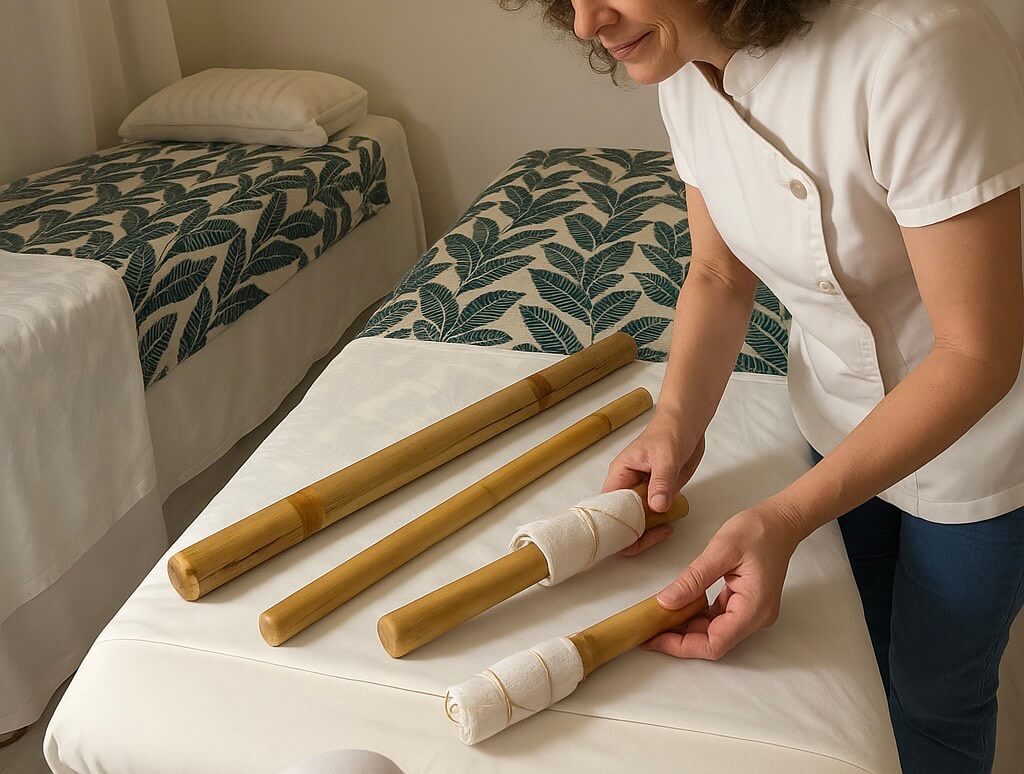
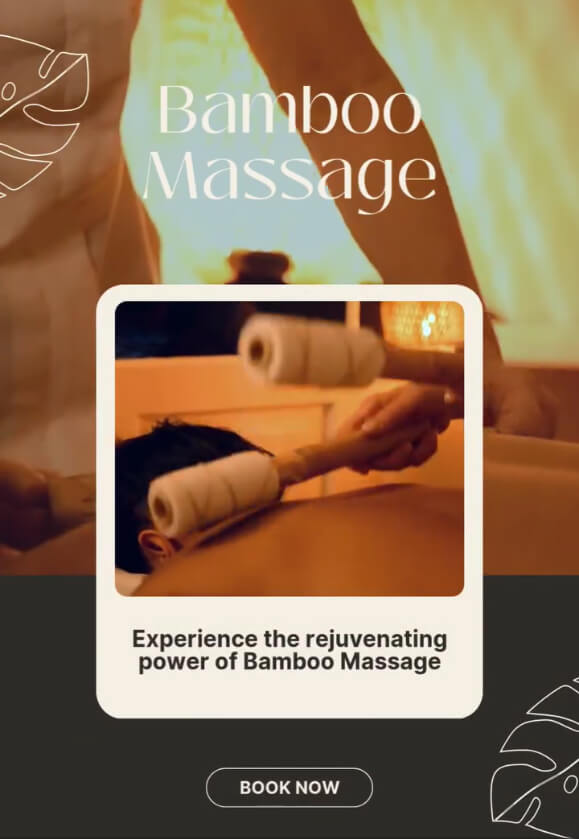
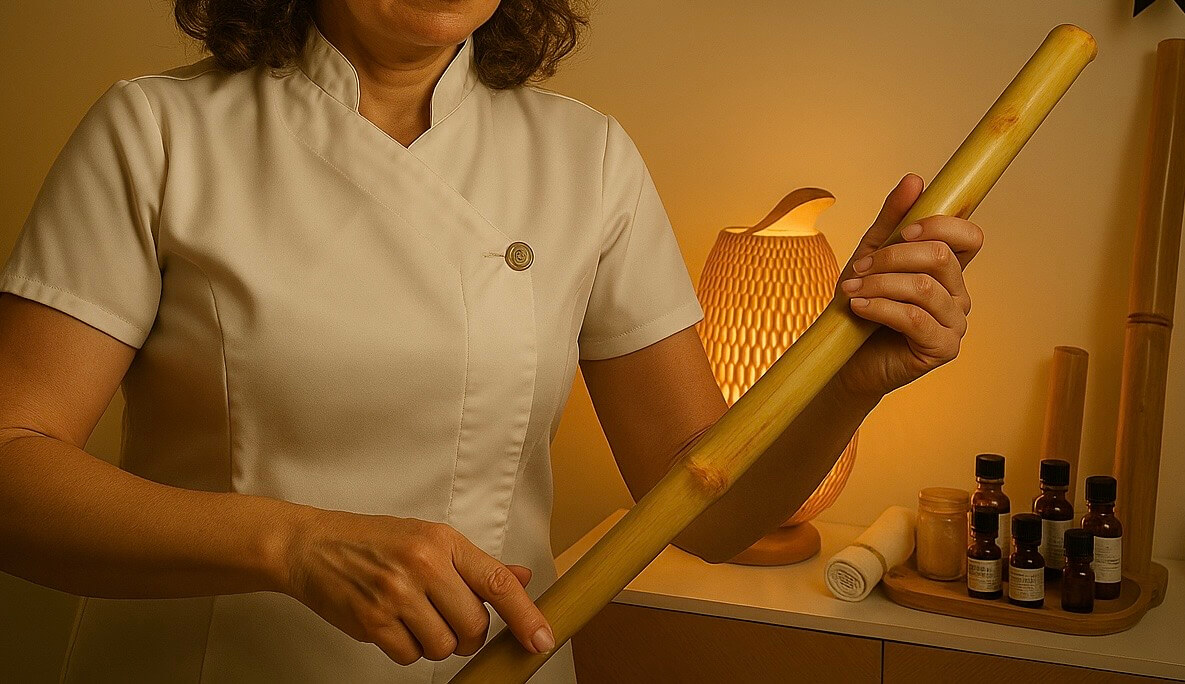
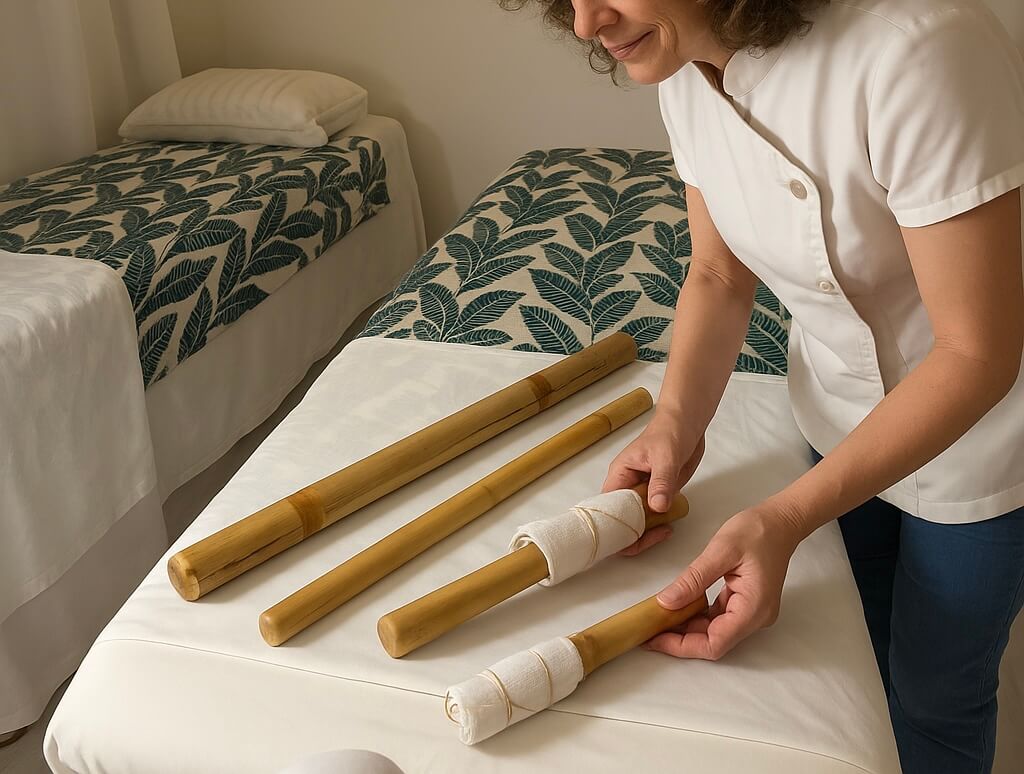
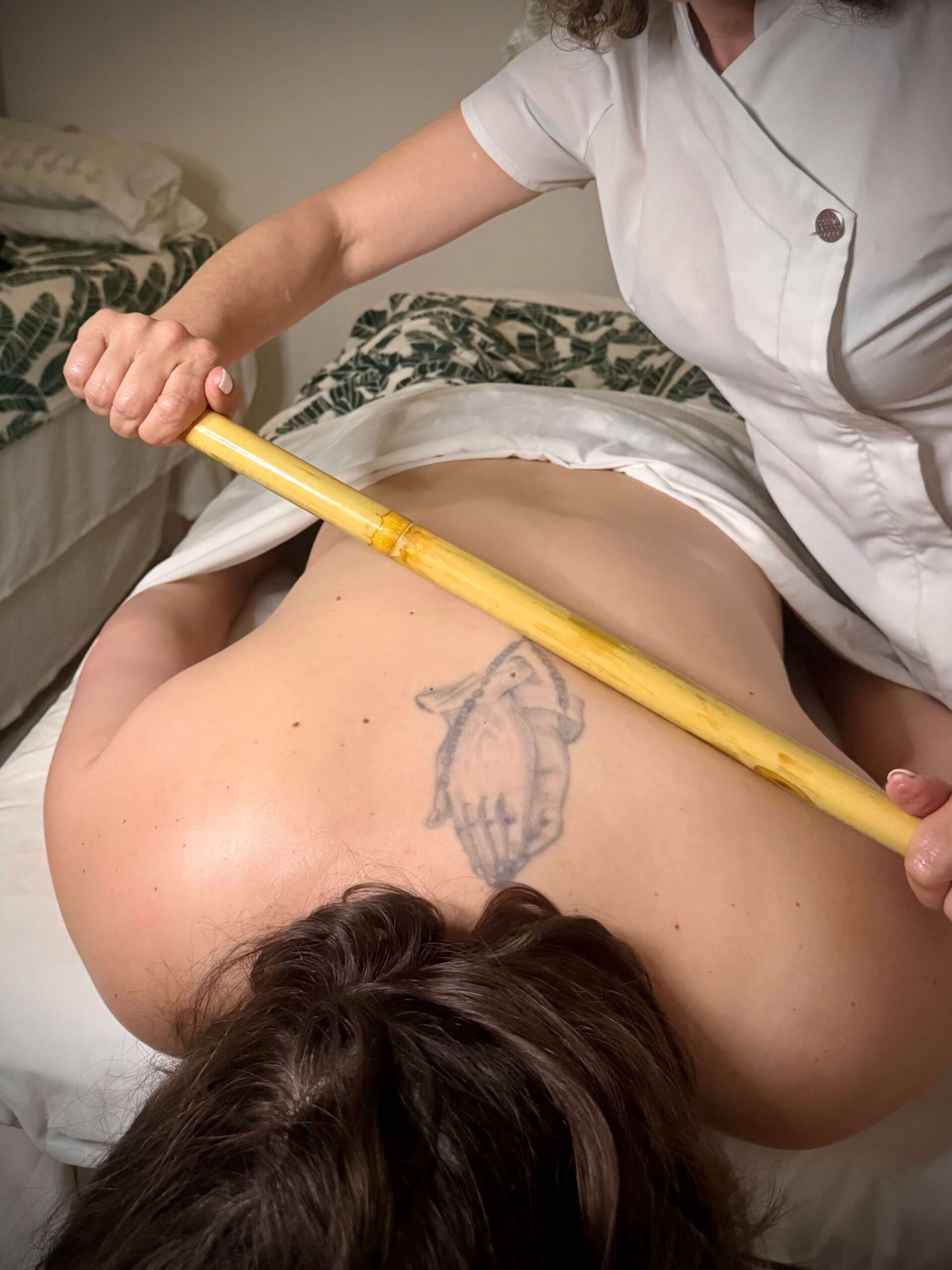
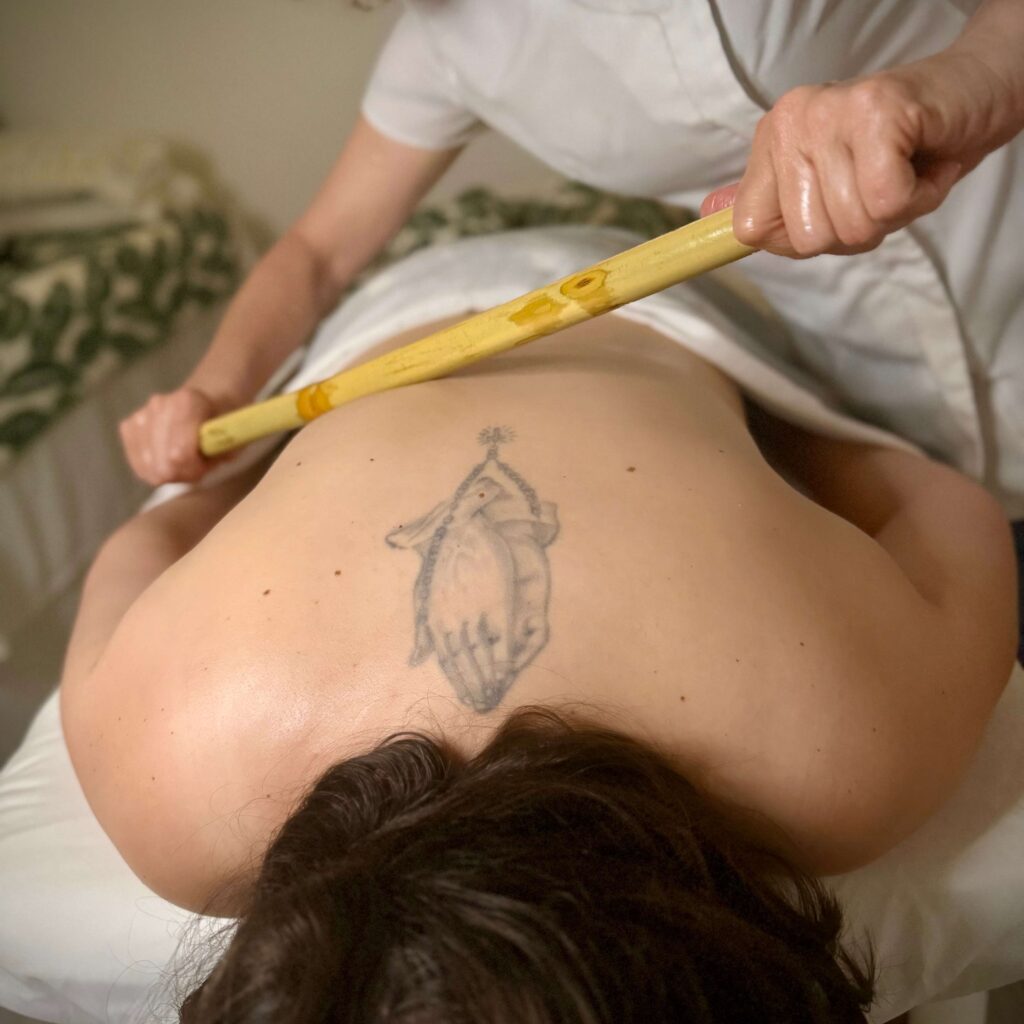
For clients with more widespread muscular tightness, techniques such as Bamboo Massage may also be incorporated to release larger muscle groups while maintaining a comfortable, flowing rhythm.

Choosing the right treatment isn’t about selecting the strongest massage.

It’s about understanding what your body needs today.

Recovery Happens Between Appointments Too

Massage is only one part of looking after your body.

Sometimes the biggest difference comes from very small habits.

Taking one slow breath before answering another email.

Lowering your shoulders while driving.

Walking for ten minutes without checking your phone.

Giving yourself permission to pause.

These moments teach the body that it doesn’t always have to stay alert.

Perhaps Your Body Has Been Speaking for Longer Than You Realised

Our bodies are incredibly patient. They whisper before they shout. A little stiffness. A restless night. A headache. A tight jaw. Heavy shoulders.

These small signals are often invitations to slow down rather than simply push through another busy week.

Regular Massage Therapy in Bath isn’t only about treating pain.

For many people, it becomes an opportunity to reconnect with their body, breathe more deeply and rediscover what genuine relaxation actually feels like.

If your body has been trying to get your attention for some time, perhaps this is the moment to start listening.

Visit Me for Your Massage in Bath

Enjoy your treatment at Mediterranean Therapy, located inside The Soul Spa a serene, centrally located wellness space in the heart of Bath:

📍 2 Hetling Court, Bath. Tel: 07378275075
👉 Click and get directions

Relax with a massage. Your expert massage therapist in Bath is ready to help you restore balance and calm, the best experience massage in Bath.

Teresa - Your Spa Therapist

Teresa - Your Spa Therapist

Massage therapist, facials and skincare with 5 star hotel experiences, an expert in a wide range of treatments.

Mediterranean Therapy
2 Hetling Court Bath - Tel: 07378275075

Massage Therapist Posts

Massage & Rejuvenation Services

  • Back, Neck & Shoulder
    Back, Neck & Shoulder

    30 mins – Click to Book!

    £ 35
  • Couple Massage
    Couple Massage

    1 hour – Click to Book!

    £ 140
  • Deep Tissue Massage
    Deep Tissue Massage

    1 hour – Click to Book!

    £ 70
  • Lymphatic Drainage Massage
    Lymphatic Drainage Massage

    1 hour – Click to Book!

    £ 70
  • Hot Stone Massage
    Hot Stone Massage

    1 hour – Click to Book!

    £ 70
  • Pregnancy Massage
    Pregnancy Massage

    1 hour – Click to Book!

    £ 70

Follow me on Social Media

Massage for Gardeners: Relieving Back, Shoulder and Knee Pain After Summer Gardening

Massage for Gardeners: Relieving Back, Shoulder and Knee Pain After Summer Gardening

Gardening Is Good for You… But Your Body May Disagree. Gardening is one of the UK’s favourite outdoor activities. Whether you’re planting flowers, trimming hedges, mowing the lawn or carrying heavy bags of compost, spending time in the garden is a wonderful way to stay active and enjoy nature.

However, after several hours of repetitive movements, many people begin to notice stiffness in their back, aching shoulders or sore knees.

During the summer months, it’s common for clients seeking Massage Therapy in Bath to tell me they have “overdone it” in the garden. Often, the discomfort doesn’t appear until the following day, when muscles become tight and movement feels more restricted.

Book your professional Massage in Bath.

Why Gardening Can Leave You Feeling Stiff

Gardening involves many repetitive movements that place stress on muscles and joints.

Bending forward, kneeling for long periods, reaching overhead, lifting pots or pushing a lawn mower all require different muscle groups to work continuously.

Over time, these movements may contribute to tension in the lower back, shoulders, neck, forearms and hips. Even experienced gardeners can develop muscular tightness if they spend several hours working without taking regular breaks.

The discomfort is rarely caused by one single movement. More often, it is the result of small strains building up throughout the day.

The Areas Most Commonly Affected

Although every person is different, some areas tend to be affected more than others.

Many gardeners experience:

•  Lower back stiffness after prolonged bending.
•  Shoulder and neck tension from pruning or reaching overhead.
•  Tight forearms and wrists after gripping tools.
•  Hip and knee discomfort from kneeling or squatting.
•  Tired legs after standing or walking for long periods.

Looking at the body as a whole often helps explain why pain appears in places that may seem unrelated to the activity itself.

How Massage Therapy Can Help Recovery

Massage therapy can help reduce muscular tension, improve flexibility and encourage relaxation after physical activity.

Rather than concentrating only on the area that feels uncomfortable, I assess how different muscles are working together. Often, when one area becomes overloaded, other muscles compensate, creating patterns of tension throughout the body.

Helping these muscles relax may improve comfort, restore easier movement and support recovery after a busy day in the garden.

Every treatment is tailored to the individual, depending on how your body is responding.

Choosing the Right Massage After Gardening

The most suitable treatment depends on the type of muscular tension you are experiencing.

For deeper muscular tightness in the back, shoulders or legs, Deep Tissue Massage may help release long-standing restrictions and improve mobility.

When larger muscle groups have become tired after repetitive physical work, Bamboo Massage can provide broad, flowing pressure that many clients find both effective and deeply relaxing.

If long hours standing have left your legs feeling heavy or slightly swollen, Manual Lymphatic Drainage (Vodder Method) may also be beneficial. While it is widely recognised for supporting the lymphatic system, its gentle, rhythmic movements are also associated with a calming effect on the parasympathetic nervous system. Many clients describe feeling lighter, deeply relaxed and noticeably less tense after treatment.

Rather than recommending the same massage for everyone, an experienced Massage Therapist in Bath will choose the techniques that best match your body’s needs.

Looking After Your Body While Gardening

A few simple habits can make a real difference:

•  Change your position regularly instead of staying bent over for long periods.
•  Kneel on a padded garden cushion when possible.
•  Lift heavy pots by bending your knees rather than your back.
•  Stretch your shoulders, hips and lower back before and after gardening.
•  Stay hydrated, especially during warm summer weather.
•  Break large gardening projects into shorter sessions.

These small adjustments can help reduce the build-up of muscular tension and make gardening much more enjoyable.

Enjoy Your Garden Without the Aches

Gardening should leave you feeling satisfied not struggling to move the next day.

Regular Massage Therapy in Bath can help your body recover from the physical demands of gardening by reducing muscle tension, encouraging relaxation and improving overall mobility.

Whether you’ve spent the weekend redesigning your garden or simply enjoyed a few hours caring for your plants, taking care of your body is just as important as taking care of your garden.

If you’d like to understand how regular massage can support an active lifestyle, you may also enjoy reading Why Regular Massage Should Be Part of Your Wellness Routine.

Visit Me for Your Massage in Bath

Enjoy your treatment at Mediterranean Therapy, located inside The Soul Spa a serene, centrally located wellness space in the heart of Bath:

📍 2 Hetling Court, Bath. Tel: 07378275075
👉 Click and get directions

Relax with a massage. Your expert massage therapist in Bath is ready to help you restore balance and calm, the best experience massage in Bath.

Teresa - Your Spa Therapist

Teresa - Your Spa Therapist

Massage therapist, facials and skincare with 5 star hotel experiences, an expert in a wide range of treatments.

Mediterranean Therapy
2 Hetling Court Bath - Tel: 07378275075

Massage Therapist Posts

Massage & Rejuvenation Services

  • Back, Neck & Shoulder
    Back, Neck & Shoulder

    30 mins – Click to Book!

    £ 35
  • Couple Massage
    Couple Massage

    1 hour – Click to Book!

    £ 140
  • Deep Tissue Massage
    Deep Tissue Massage

    1 hour – Click to Book!

    £ 70
  • Lymphatic Drainage Massage
    Lymphatic Drainage Massage

    1 hour – Click to Book!

    £ 70
  • Hot Stone Massage
    Hot Stone Massage

    1 hour – Click to Book!

    £ 70
  • Pregnancy Massage
    Pregnancy Massage

    1 hour – Click to Book!

    £ 70

Follow me on Social Media

Massage for Jaw Tension, Bruxism and Headaches: Why Your Neck May Be the Real Problem

Massage for Jaw Tension, Bruxism and Headaches: Why Your Neck May Be the Real Problem

Do You Wake Up with a Tight Jaw or a Headache? Have you ever woken up with a sore jaw, tight facial muscles or a headache that seems to appear for no obvious reason?

Many people don’t realise that these symptoms are often linked. Stress, long hours at a computer, poor posture and even the habit of clenching the teeth during the day can place continuous strain on the muscles of the jaw, neck and shoulders.

Increasingly, clients seeking Massage Therapy in Bath tell me that although the discomfort is felt in the jaw, the tension has actually built up throughout the whole upper body.

If you would like to learn more about how regular massage supports long-term wellbeing, you may also enjoy reading Why Regular Massage Should Be Part of Your Wellness Routine.

Book your professional Massage in Bath.

Understanding Jaw Tension and Bruxism

Bruxism is the unconscious habit of clenching or grinding the teeth. It often happens during sleep, but many people also tighten their jaw throughout the day without noticing.

Over time this constant muscle activity may contribute to aching jaw muscles, headaches around the temples, neck stiffness and facial discomfort.

While emotional stress is one of the most common contributing factors, prolonged desk work, forward head posture and muscle imbalance can also increase tension throughout the jaw, neck and shoulders.

Understanding these connections is often the first step towards finding lasting relief.

Why Your Jaw Is Only Part of the Story

The jaw never works alone.

Its muscles are closely connected with the neck, shoulders, upper back and even the muscles involved in breathing. When one area becomes overloaded, other muscles compensate, creating patterns of tension that spread through the body.

This is why someone suffering from jaw pain may actually have significant tightness at the base of the skull, across the shoulders or through the upper back.

Rather than focusing only on where the discomfort is felt, looking at the whole body often provides a clearer picture of why symptoms continue to return.

How Massage Therapy Can Help

Massage therapy does not treat the dental causes of bruxism, but it can play an important role in reducing the muscular tension that often accompanies it.

By working with the muscles of the neck, shoulders, upper back and surrounding tissues, massage may help improve mobility, reduce stiffness and encourage a greater sense of relaxation.

Gentle work around the scalp, temples and upper neck is often particularly soothing for people who carry stress in these areas.

Every treatment I provide is adapted to the individual. Rather than following exactly the same routine, I assess how your body is holding tension and tailor the session accordingly.

Choosing the Right Massage for Jaw Tension

Every person experiences stress differently, so choosing the right treatment is important.

For clients with significant muscular tightness through the neck and shoulders, Deep Tissue Massage may help release deeper restrictions and improve movement.

If the main issue is ongoing stress, jaw clenching and difficulty relaxing, a gentler approach may sometimes be more beneficial. One technique I often recommend is Manual Lymphatic Drainage (Vodder Method). Although it is best known for supporting the lymphatic system and reducing fluid retention, its slow, rhythmic and precise movements are also associated with a calming effect on the parasympathetic nervous system. Many clients notice that they breathe more deeply, feel profoundly relaxed and find it easier to let go of the unconscious muscular tension they have been carrying throughout the day.

For others, Bamboo Massage can be an excellent choice when larger muscle groups in the neck, shoulders and upper back need broader, flowing pressure to release accumulated tension.

Rather than focusing only on the painful area, an experienced Massage Therapist in Bath will assess how stress is affecting your body as a whole and choose the most appropriate combination of techniques for your individual needs.

Small Habits That Can Make a Difference

Massage works even better when combined with small daily habits.

Try to notice whether you are clenching your jaw while working, driving or concentrating. Keep your shoulders relaxed, take regular breaks from your screen and allow yourself a few slow, deep breaths throughout the day.

Simple posture changes, combined with regular massage, can gradually reduce the build-up of unnecessary muscular tension.

The goal isn’t perfection it’s becoming more aware of how your body responds to everyday stress.

Looking Beyond the Jaw

Jaw tension and headaches are rarely caused by a single muscle.

More often, they reflect the way stress, posture, breathing and daily habits influence the body over time.

Regular Massage Therapy in Bath can become an important part of your wellbeing routine, helping to reduce muscular tension, encourage relaxation and support healthier movement patterns.

If you’ve been living with recurring headaches, neck stiffness or persistent jaw tightness, it may be worth looking beyond the place where it hurts.

Sometimes, helping the entire body relax is the first step towards helping the jaw relax too.

Visit Me for Your Massage in Bath

Enjoy your treatment at Mediterranean Therapy, located inside The Soul Spa a serene, centrally located wellness space in the heart of Bath:

📍 2 Hetling Court, Bath. Tel: 07378275075
👉 Click and get directions

Relax with a massage. Your expert massage therapist in Bath is ready to help you restore balance and calm, the best experience massage in Bath.

Teresa - Your Spa Therapist

Teresa - Your Spa Therapist

Massage therapist, facials and skincare with 5 star hotel experiences, an expert in a wide range of treatments.

Mediterranean Therapy
2 Hetling Court Bath - Tel: 07378275075

Massage Therapist Posts

Massage & Rejuvenation Services

  • Back, Neck & Shoulder
    Back, Neck & Shoulder

    30 mins – Click to Book!

    £ 35
  • Couple Massage
    Couple Massage

    1 hour – Click to Book!

    £ 140
  • Deep Tissue Massage
    Deep Tissue Massage

    1 hour – Click to Book!

    £ 70
  • Lymphatic Drainage Massage
    Lymphatic Drainage Massage

    1 hour – Click to Book!

    £ 70
  • Hot Stone Massage
    Hot Stone Massage

    1 hour – Click to Book!

    £ 70
  • Pregnancy Massage
    Pregnancy Massage

    1 hour – Click to Book!

    £ 70

Follow me on Social Media

Digital Stress Syndrome: Why Your Body Needs More Than Just a Break from the Screen

Digital Stress Syndrome: Why Your Body Needs More Than Just a Break from the Screen

When Switching Off Feels Impossible. 

Have you ever finished a working day feeling completely drained, even though you’ve barely moved from your chair?

Many of us spend hours moving between laptops, phones, tablets and video calls. Our minds remain constantly engaged while our bodies stay in the same position for far too long. Over time, this combination creates what many people now describe as digital stress.

More and more clients looking for Massage Therapy in Bath tell me the same thing: “I’m not just tired my whole body feels tense.”

If you’d like to learn more about why regular massage can become part of a healthier lifestyle, you may also enjoy reading Why Regular Massage Should Be Part of Your Wellness Routine.

Book your professional Massage in Bath.

Your Body Is Listening to Every Hour You Spend at Your Desk

Digital stress isn’t only mental. It gradually changes the way your body moves and feels.

As concentration increases, breathing often becomes shallower. The shoulders slowly lift towards the ears, the neck moves forward and the upper back becomes stiff. Even the jaw may tighten without you noticing.

At first these changes seem insignificant, but after weeks or months they can contribute to headaches, neck pain, shoulder stiffness, tired eyes and a constant feeling of fatigue.

Often, the discomfort people notice is simply the final signal of tension that has been building for a long time.

Stress Lives in the Nervous System as Well as the Muscles

One of the most overlooked effects of digital overload is what it does to the nervous system.

When your brain is constantly processing information, answering messages and reacting to notifications, your body rarely has the opportunity to enter a truly relaxed state.

This is why many people experience restless sleep, feel mentally exhausted or struggle to fully unwind, even during weekends or holidays.

Massage cannot remove the demands of everyday life, but it can help create the conditions where your body remembers how to relax again.

A Personalised Massage Makes the Difference

No two people carry stress in exactly the same way.

Some feel it mainly in the neck, others across the shoulders, lower back or even through the muscles involved in breathing. For this reason, I never believe in following exactly the same routine for every client.

Each session begins by listening to your symptoms, your daily routine and how your body responds to gentle movement and touch. The treatment is then adapted to what your body needs that day, helping release tension while encouraging a slower, calmer breathing pattern.

Sometimes the greatest change isn’t simply less pain. It’s feeling lighter, calmer and more present.

Choosing the Right Massage for Digital Fatigue

Different techniques can support different types of tension.

For deeper muscular tightness caused by prolonged sitting or repetitive posture, Deep Tissue Massage may help release long-standing restrictions. uk)

If your body feels generally tense and your mind struggles to slow down, a relaxing therapeutic massage may be the most beneficial approach.

Where larger muscle groups need attention, Bamboo Massage can provide broad, flowing pressure that many clients find both effective and deeply relaxing.

For those who also experience heaviness or fluid retention during stressful periods, Manual Lymphatic Drainage may offer a gentler approach that supports overall wellbeing.

Rather than choosing a treatment based only on its name, a qualified Massage Therapist in Bath will help identify the approach most suited to your individual needs.

Small Daily Habits That Help Between Treatments

Massage works best as part of a wider approach to wellbeing.

Simple habits standing up every hour, stretching your chest, lowering your shoulders, taking slow breaths and spending a few minutes away from your phone can reduce the physical effects of digital stress.

Perfection isn’t necessary. Small, consistent changes are often enough to help your body recover more easily between treatments.

Looking After Your Body in a Digital World

Technology is part of modern life, and most of us cannot simply switch it off.

What we can do is become more aware of how it affects our posture, our breathing and our overall wellbeing.

Regular Massage Therapy in Bath isn’t simply about relieving today’s aches and pains. It can become part of a healthier routine that helps you manage stress before it develops into persistent discomfort.

If you’re unsure which treatment would be most suitable, I’m always happy to discuss your symptoms and recommend an approach tailored to your needs.

Sometimes the most valuable part of a massage isn’t the hour spent on the treatment couch.

It’s leaving the session standing a little taller, breathing a little deeper and remembering how good it feels when your body and mind finally slow down together.

Visit Me for Your Massage in Bath

Enjoy your treatment at Mediterranean Therapy, located inside The Soul Spa a serene, centrally located wellness space in the heart of Bath:

📍 2 Hetling Court, Bath. Tel: 07378275075
👉 Click and get directions

Relax with a massage. Your expert massage therapist in Bath is ready to help you restore balance and calm, the best experience massage in Bath.

Teresa - Your Spa Therapist

Teresa - Your Spa Therapist

Massage therapist, facials and skincare with 5 star hotel experiences, an expert in a wide range of treatments.

Mediterranean Therapy
2 Hetling Court Bath - Tel: 07378275075

Massage Therapist Posts

Massage & Rejuvenation Services

  • Back, Neck & Shoulder
    Back, Neck & Shoulder

    30 mins – Click to Book!

    £ 35
  • Couple Massage
    Couple Massage

    1 hour – Click to Book!

    £ 140
  • Deep Tissue Massage
    Deep Tissue Massage

    1 hour – Click to Book!

    £ 70
  • Lymphatic Drainage Massage
    Lymphatic Drainage Massage

    1 hour – Click to Book!

    £ 70
  • Hot Stone Massage
    Hot Stone Massage

    1 hour – Click to Book!

    £ 70
  • Pregnancy Massage
    Pregnancy Massage

    1 hour – Click to Book!

    £ 70

Follow me on Social Media

Why Is a Spa Experience More Than Just Relaxation? The Benefits of Heat, Water and Massage

Why Is a Spa Experience More Than Just Relaxation? The Benefits of Heat, Water and Massage

Why have people always been drawn to spa experiences?  For centuries, people have looked for places that allowed them to slow down, recover and reconnect with a sense of wellbeing. Even in ancient times, water rituals were considered important moments dedicated to both body and mind.

Today, despite increasingly busy lifestyles, many people still feel the need to pause, disconnect from daily routines and create time for themselves.

Book your professional Massage in Bath.

What is a spa experience today?

Today, a spa experience is much more than simply warm water or beauty treatments. A spa journey often combines several elements that work together to create a feeling of wellbeing: warmth, silence, aromas, soft lighting and dedicated time for self-care.

It becomes a space where people can step away from everyday pressures and responsibilities.

Why do heat and water feel so relaxing?

Warmth often creates a pleasant feeling of comfort and relaxation. Many people describe sensations of lightness, calmness and a reduction in tension built up throughout the day.

Water itself can also create a feeling of wellbeing that helps both body and mind slow down and reconnect.

Why does slowing down matter?

Modern life often keeps us in a constant state of activity. Work, responsibilities, notifications and busy schedules may keep both body and mind continuously engaged.

Taking time to slow down, breathe deeply and focus on wellbeing may help restore a greater sense of balance.

Why do many people complete a spa experience with massage?

Many people choose to complete their spa experience with massage because relaxation is not only about the mind, but also about the body.

While the spa environment helps create an overall feeling of wellbeing, massage can work more specifically on areas where tension may have accumulated.

Which massage treatments may complement a spa experience?

Different massage treatments may complement a spa experience depending on individual needs.

A Swedish Massage is often chosen by those looking for relaxation and gentler flowing movements.

A Deep Tissue Massage may be suitable for people experiencing deeper muscular tension or stiffness.

Manual Lymphatic Drainage, including the Vodder method, uses gentle rhythmic movements that may help create feelings of lightness and relaxation.

Facial treatments and specific wellness rituals may also complement the overall experience.

A spa experience is also a form of self-care

A spa experience is not simply about relaxing for a few hours; it can also become an opportunity to reconnect with overall wellbeing and self-care.

In our massage studio in Bath, many clients choose massage treatments as part of a wider wellbeing routine, allowing themselves time to slow down and reconnect with how they feel.

While our studio does not include facilities such as saunas, steam rooms or thermal pools, we are located just a short walk from Bath’s famous spa facilities. Many people choose to enjoy a spa experience first and then complete their wellbeing journey with a massage treatment in our studio.

For many clients, this combination allows them to enjoy the benefits of a spa experience together with a more personal and dedicated approach, in a calm environment where treatments can be tailored to individual needs.

📅 Book Your Couples Massage

Visit Me for Your Massage in Bath

Enjoy your treatment at Mediterranean Therapy, located inside The Soul Spa a serene, centrally located wellness space in the heart of Bath:

📍 2 Hetling Court, Bath. Tel: 07378275075
👉 Click and get directions

Relax with a massage. Your expert massage therapist in Bath is ready to help you restore balance and calm, the best experience massage in Bath.

Teresa - Your Spa Therapist

Teresa - Your Spa Therapist

Massage therapist, facials and skincare with 5 star hotel experiences, an expert in a wide range of treatments.

Mediterranean Therapy
2 Hetling Court Bath - Tel: 07378275075

Massage Therapist Posts

Massage & Rejuvenation Services

  • Back, Neck & Shoulder
    Back, Neck & Shoulder

    30 mins – Click to Book!

    £ 35
  • Couple Massage
    Couple Massage

    1 hour – Click to Book!

    £ 140
  • Deep Tissue Massage
    Deep Tissue Massage

    1 hour – Click to Book!

    £ 70
  • Lymphatic Drainage Massage
    Lymphatic Drainage Massage

    1 hour – Click to Book!

    £ 70
  • Hot Stone Massage
    Hot Stone Massage

    1 hour – Click to Book!

    £ 70
  • Pregnancy Massage
    Pregnancy Massage

    1 hour – Click to Book!

    £ 70

Follow me on Social Media

Why Does My Skin Look Tired, Dry, Puffy or Red? Common Causes and How Facial Massage May Help

Why Does My Skin Look Tired, Dry, Puffy or Red? Common Causes and How Facial Massage May Help

Why does my skin suddenly look different? Have you ever looked in the mirror and felt that your skin looked more tired, dull or different than usual? Some days the face may appear puffy, dry, oily or less defined, even when nothing obvious seems to have changed.

Many people experience changes in the appearance of their skin at different stages of life, and these changes are often influenced by several factors working together.

Book your professional Massage in Bath.

Why does skin texture change?

Skin naturally changes over time and sometimes even from one day to another. Some people may notice dry skin, while others experience increased oiliness or changes in texture.

Hydration levels, weather, sleep quality, nutrition and lifestyle habits can all influence how the skin looks and feels.

Can stress, hormones and skin sensitivity affect the skin?

Stress does not only affect the body and mind; it may also influence the appearance of the skin. During stressful periods, some people notice changes such as breakouts, increased oil production or skin that appears more tired than usual.

Hormonal changes can also influence skin texture and overall appearance.

Some people, particularly those with fair or sensitive skin, may also notice that their skin becomes red more easily. Changes in temperature, sun exposure, skincare products and lifestyle habits may contribute to facial redness and skin sensitivity.

Can facial tension affect the way we look?

Many people do not realise how much tension they hold in the face. Areas such as the jaw, forehead, around the eyes and scalp can remain tense throughout the day without us noticing.

Repeated facial expressions, jaw clenching and everyday stress may contribute to facial fatigue and tension.

Why do some people develop wrinkles earlier than others?

Skin naturally changes with age, while factors such as genetics, sun exposure, sleep, stress, hydration and lifestyle habits may influence these changes.

What can help support healthier-looking skin?

Simple habits such as staying hydrated, eating balanced meals rich in fruit and vegetables, prioritising sleep, protecting the skin from excessive sun exposure and making time for self-care may help support overall wellbeing.

Can facial massage help?

Facial massage may help encourage relaxation and support circulation within facial tissues. Gentle massage techniques may also help reduce feelings of tension around areas such as the jaw, forehead and scalp.

Different facial treatments can support different needs depending on how the skin and face are feeling.

Manual Lymphatic Drainage for the face, including the Vodder method, uses gentle and rhythmic movements designed to support the natural movement of lymphatic fluid. This treatment is often chosen by people looking for a deeply relaxing experience and may help reduce feelings of puffiness while creating a lighter and refreshed appearance.

For some people with oily skin, feelings of facial congestion, puffiness or changes in skin appearance may sometimes contribute to how the skin feels.

Lifting Facial Massage techniques use focused movements designed to encourage circulation and stimulate facial tissues. While this differs from a traditional Deep Tissue Massage, certain deeper techniques may focus on areas where muscular tension commonly accumulates, particularly around the jaw and masseter muscles.

In our massage studio in Bath, many clients choose facial treatments as part of a self-care and wellbeing routine.

Visit Me for Your Massage in Bath

Enjoy your treatment at Mediterranean Therapy, located inside The Soul Spa a serene, centrally located wellness space in the heart of Bath:

📍 2 Hetling Court, Bath. Tel: 07378275075
👉 Click and get directions

Relax with a massage. Your expert massage therapist in Bath is ready to help you restore balance and calm, the best experience massage in Bath.

Teresa - Your Spa Therapist

Teresa - Your Spa Therapist

Massage therapist, facials and skincare with 5 star hotel experiences, an expert in a wide range of treatments.

Mediterranean Therapy
2 Hetling Court Bath - Tel: 07378275075

Massage Therapist Posts

Massage & Rejuvenation Services

  • Back, Neck & Shoulder
    Back, Neck & Shoulder

    30 mins – Click to Book!

    £ 35
  • Couple Massage
    Couple Massage

    1 hour – Click to Book!

    £ 140
  • Deep Tissue Massage
    Deep Tissue Massage

    1 hour – Click to Book!

    £ 70
  • Lymphatic Drainage Massage
    Lymphatic Drainage Massage

    1 hour – Click to Book!

    £ 70
  • Hot Stone Massage
    Hot Stone Massage

    1 hour – Click to Book!

    £ 70
  • Pregnancy Massage
    Pregnancy Massage

    1 hour – Click to Book!

    £ 70

Follow me on Social Media

Why Am I Always Tired Even After Sleeping? Can Massage Help?

Why Am I Always Tired Even After Sleeping? Can Massage Help?

Why do I still feel tired even after sleeping? Have you ever slept for seven or eight hours and still woken up feeling exhausted? Many people experience periods where they constantly feel tired, low in energy or mentally drained, even when they believe they are getting enough sleep.

Feeling tired occasionally is completely normal, especially during busy periods of life. However, when fatigue becomes frequent, many people begin wondering why their energy never seems to fully return.

Book your professional Massage in Bath.

Sleep is not always the only reason

Many people assume that tiredness only happens because they are not sleeping enough. However, fatigue can sometimes be influenced by several factors including stress, demanding routines, physical effort, poor sleep quality, hormonal changes and lifestyle habits.

Diet and eating patterns may also play a role. Heavy meals, highly processed foods and irregular eating habits can sometimes affect energy levels and influence how the body feels throughout the day. Including fresh foods such as fruit, vegetables and balanced meals may help support overall wellbeing and maintain more stable energy levels.

For some women, hormonal fluctuations may also contribute to changes in energy, mood and sleep quality during certain phases of the menstrual cycle.

Sleep quality itself can also affect how rested we feel. Some people experience disturbances during the night such as snoring or sleep apnoea, which may interrupt normal sleep cycles. Frequent interruptions during sleep can sometimes reduce the feeling of rest and leave people feeling tired throughout the day, even after several hours in bed.

Stress and daily routines can affect energy levels

Modern life often keeps the body in a constant state of activity. Long working hours, physically demanding jobs, family responsibilities and everyday pressures can gradually create tension in both the body and mind.

When stress levels remain elevated for long periods, muscles may stay tense and the body can begin feeling physically and mentally exhausted.

Can physical tension make you feel more tired?

Many people notice tight shoulders, neck discomfort, muscle fatigue or a sensation of heaviness when they feel stressed or overwhelmed. Physical tension itself may sometimes contribute to low energy levels.

When the body continuously works harder than necessary to hold stress and muscular tension, it may leave us feeling drained throughout the day.

When should tiredness not be ignored?

Occasional tiredness is common, but persistent fatigue, significant changes in energy levels or symptoms affecting everyday life should always be discussed with a healthcare professional.

Understanding possible causes is important, particularly if tiredness continues for long periods without an obvious reason.

What can help support better wellbeing and recovery?

Small daily habits can sometimes make a meaningful difference. Gentle movement, spending time outdoors and creating moments of rest throughout the day may help support both body and mind.

Practices such as breathing exercises, meditation and mindfulness may also help calm the nervous system and encourage relaxation. Taking a few moments each day to slow down and focus on breathing can sometimes help reduce feelings of mental overload.

Prioritising self-care can also be important. Maintaining balanced eating habits with fresh foods, fruit and vegetables, staying hydrated, creating healthy sleep routines and allowing time for activities that support physical and mental recovery may all contribute to overall wellbeing.

Can massage help when you feel tired?

Massage therapy may help encourage relaxation and support overall wellbeing. Different massage techniques can support different needs depending on how the body and mind are feeling.

A Swedish massage often focuses on relaxation and gentler movements that help the body slow down and release overall tension.

Deep tissue massage uses slower and more focused techniques that may help where physical tension has built up over time.

Manual Lymphatic Drainage, including the Vodder method, uses gentle and rhythmic techniques that may encourage relaxation and help support the parasympathetic nervous system often known as the body’s “rest and recovery” response.

For some people, hormonal changes may influence sleep quality, mood and overall energy levels. While Manual Lymphatic Drainage does not directly regulate hormones, the relaxing effects of the treatment may help create a greater sense of calm and wellbeing, particularly during periods when stress and physical tension are also contributing factors.

In our massage studio in Bath, many clients choose treatments as part of a self-care routine when stress, muscular tension and daily demands begin affecting how they feel. If you are looking for massage therapy in Bath, choosing a treatment tailored to your individual needs may help support relaxation and overall wellbeing.

Visit Me for Your Massage in Bath

Enjoy your treatment at Mediterranean Therapy, located inside The Soul Spa a serene, centrally located wellness space in the heart of Bath:

📍 2 Hetling Court, Bath. Tel: 07378275075
👉 Click and get directions

Relax with a massage. Your expert massage therapist in Bath is ready to help you restore balance and calm, the best experience massage in Bath.

Teresa - Your Spa Therapist

Teresa - Your Spa Therapist

Massage therapist, facials and skincare with 5 star hotel experiences, an expert in a wide range of treatments.

Mediterranean Therapy
2 Hetling Court Bath - Tel: 07378275075

Massage Therapist Posts

Massage & Rejuvenation Services

  • Back, Neck & Shoulder
    Back, Neck & Shoulder

    30 mins – Click to Book!

    £ 35
  • Couple Massage
    Couple Massage

    1 hour – Click to Book!

    £ 140
  • Deep Tissue Massage
    Deep Tissue Massage

    1 hour – Click to Book!

    £ 70
  • Lymphatic Drainage Massage
    Lymphatic Drainage Massage

    1 hour – Click to Book!

    £ 70
  • Hot Stone Massage
    Hot Stone Massage

    1 hour – Click to Book!

    £ 70
  • Pregnancy Massage
    Pregnancy Massage

    1 hour – Click to Book!

    £ 70

Follow me on Social Media

Why Do My Legs Feel Heavy? Common Causes of Heavy Legs and How Massage May Help

Why Do My Legs Feel Heavy? Common Causes of Heavy Legs and How Massage May Help

Why do my legs suddenly feel heavy? Have you ever reached the end of the day and felt like your legs suddenly became heavy, tired or uncomfortable? Some people describe it as carrying extra weight, while others experience a sensation of swelling, fatigue or tightness. Heavy legs can affect daily activities and sometimes leave you wondering why your body feels more tired than usual.

Many people experience this feeling occasionally, especially after busy days, long periods of standing or travelling. While it is often temporary, understanding what your body may be trying to tell you can help you better support your overall wellbeing.

Book your professional Massage in Bath.

What causes heavy legs?

Heavy legs can happen for different reasons and often develop gradually rather than appearing suddenly. Long periods of sitting or standing, travelling, warm temperatures, lack of movement and daily physical stress can all contribute to the feeling.

For some people, the sensation becomes more noticeable during warmer months, after long flights or after spending many hours on their feet. Daily routines and lifestyle habits can sometimes affect the body more than we realise.

Daily routines and physically demanding jobs can affect the body

People with physically demanding jobs often spend many hours standing, walking or moving throughout the day. Healthcare professionals, therapists, retail workers, hairdressers and many others continuously place demands on their bodies.

As the day progresses, muscles may begin to feel more tired and the body can sometimes develop sensations of heaviness or fatigue in the legs. Repetitive movements or long periods without enough recovery may also contribute to this feeling.

Circulation and fluid retention may play a role

The body relies on movement to help support healthy circulation and the natural movement of fluids. Spending long periods in the same position may sometimes create a feeling of sluggishness or puffiness in the legs.

Some people notice mild swelling around the ankles, while others simply describe their legs as feeling tired, heavy or less comfortable later in the day. Fluid retention can sometimes contribute to these sensations and may become more noticeable during hot weather or after prolonged inactivity.

When should heavy legs not be ignored?

While tired or heavy legs are common, persistent swelling, redness, significant pain or sudden changes should always be discussed with a healthcare professional.

Understanding the difference between normal fatigue and symptoms that may require further attention is important, particularly if discomfort becomes frequent or begins affecting daily life.

What can help support tired and heavy legs?

Simple daily habits may sometimes help reduce feelings of heaviness and improve overall comfort. Gentle walking can encourage movement and help avoid remaining in the same position for long periods. Staying hydrated and taking regular breaks to move throughout the day may also support circulation.

For some people, compression stockings may be helpful during long periods of standing, travelling or when legs frequently feel tired. Small lifestyle adjustments and supportive routines can sometimes make a noticeable difference.

What type of massage may help heavy legs?

Massage therapy may help encourage relaxation, support circulation and reduce feelings of tension throughout the body. Different massage techniques can support different needs.

A Swedish massage often focuses on relaxation and gentler movements that help the body unwind and release overall tension.

Deep tissue massage uses slower and more focused techniques that work on deeper layers of muscle and connective tissue, which may be helpful where muscle fatigue or physical tension contributes to discomfort.

Lymphatic drainage massage may also be beneficial for people experiencing sensations of heaviness, puffiness or fluid retention. By supporting the natural movement of lymphatic fluid, it may help create a feeling of lightness and wellbeing.

In our massage studio in Bath, many clients choose lymphatic drainage massage as part of a personalised treatment approach depending on their individual needs and how their body feels. If you are looking for massage therapy in Bath, choosing a treatment adapted to your body’s needs may help support your overall wellbeing and help you feel lighter and more comfortable.

Visit Me for Your Massage in Bath

Enjoy your treatment at Mediterranean Therapy, located inside The Soul Spa a serene, centrally located wellness space in the heart of Bath:

📍 2 Hetling Court, Bath. Tel: 07378275075
👉 Click and get directions

Relax with a massage. Your expert massage therapist in Bath is ready to help you restore balance and calm, the best experience massage in Bath.

Teresa - Your Spa Therapist

Teresa - Your Spa Therapist

Massage therapist, facials and skincare with 5 star hotel experiences, an expert in a wide range of treatments.

Mediterranean Therapy
2 Hetling Court Bath - Tel: 07378275075

Massage Therapist Posts

Massage & Rejuvenation Services

  • Back, Neck & Shoulder
    Back, Neck & Shoulder

    30 mins – Click to Book!

    £ 35
  • Couple Massage
    Couple Massage

    1 hour – Click to Book!

    £ 140
  • Deep Tissue Massage
    Deep Tissue Massage

    1 hour – Click to Book!

    £ 70
  • Lymphatic Drainage Massage
    Lymphatic Drainage Massage

    1 hour – Click to Book!

    £ 70
  • Hot Stone Massage
    Hot Stone Massage

    1 hour – Click to Book!

    £ 70
  • Pregnancy Massage
    Pregnancy Massage

    1 hour – Click to Book!

    £ 70

Follow me on Social Media