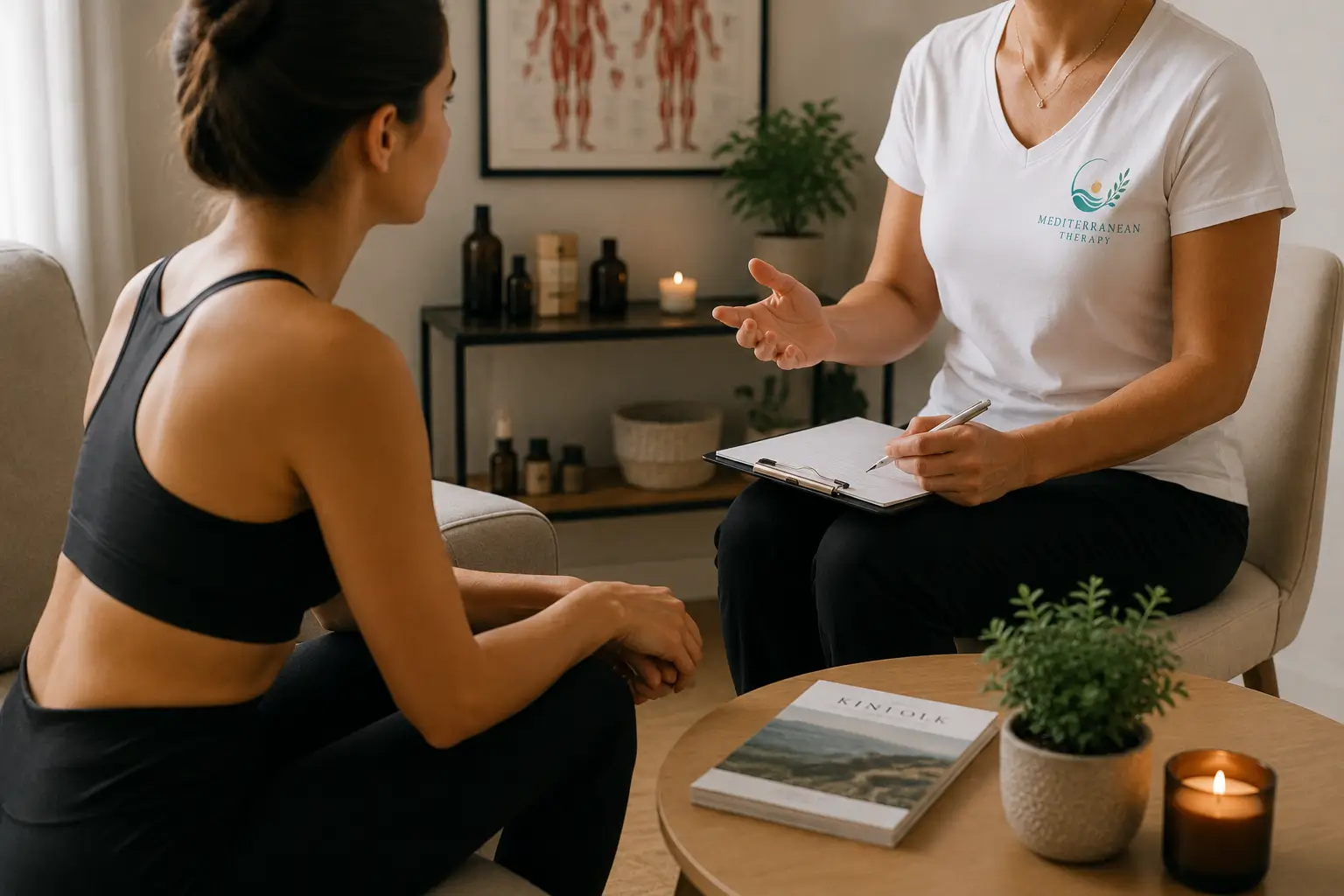
Looking for a Relaxing Massage in Bath After Thermae Bath Spa?

Looking for a Relaxing Massage in Bath After Thermae Bath Spa?

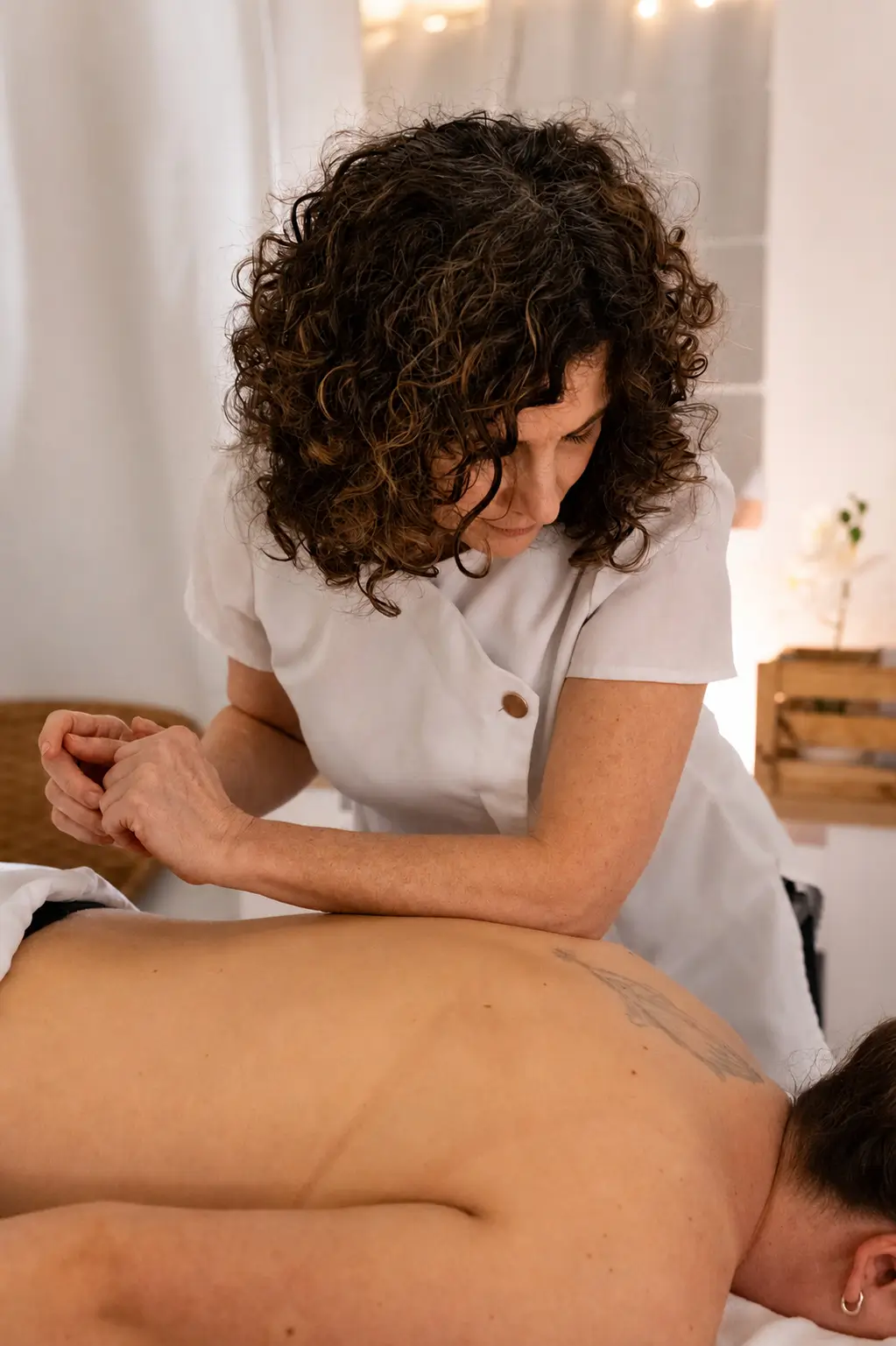
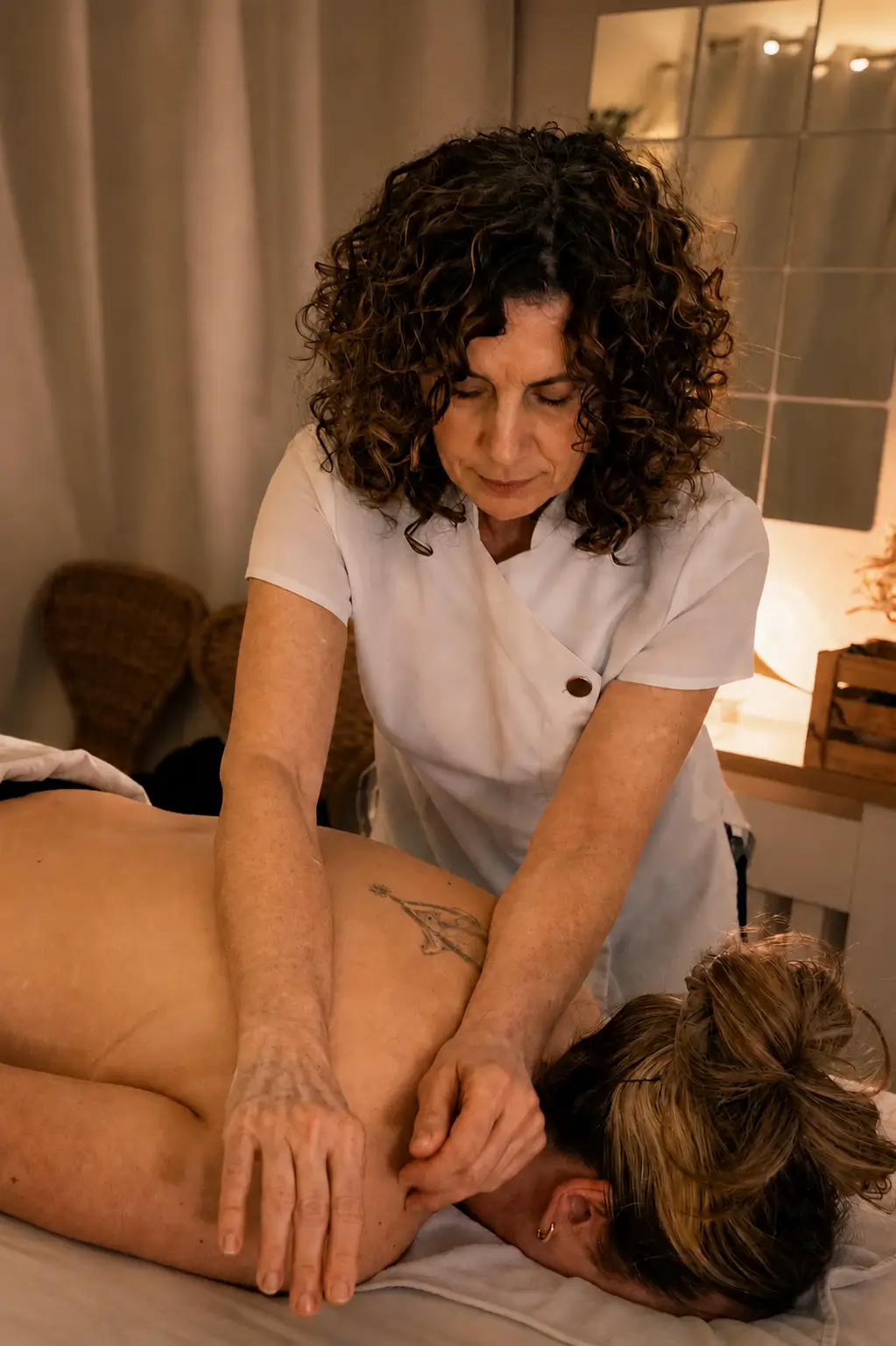
Bath is a city made for relaxation. Whether you are visiting for a weekend, enjoying the thermal waters or simply taking some time for yourself, a massage can be the perfect way to complete your wellness experience.

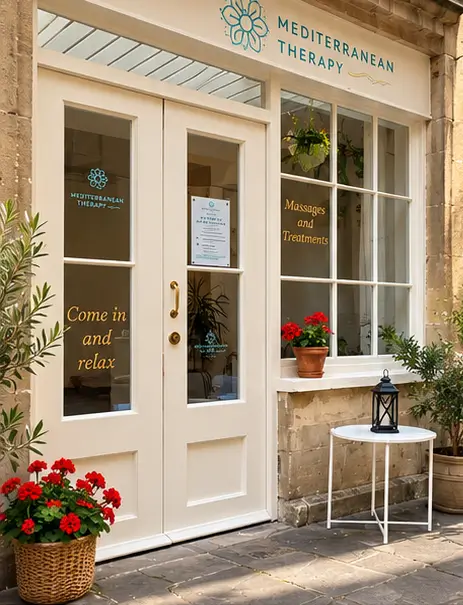
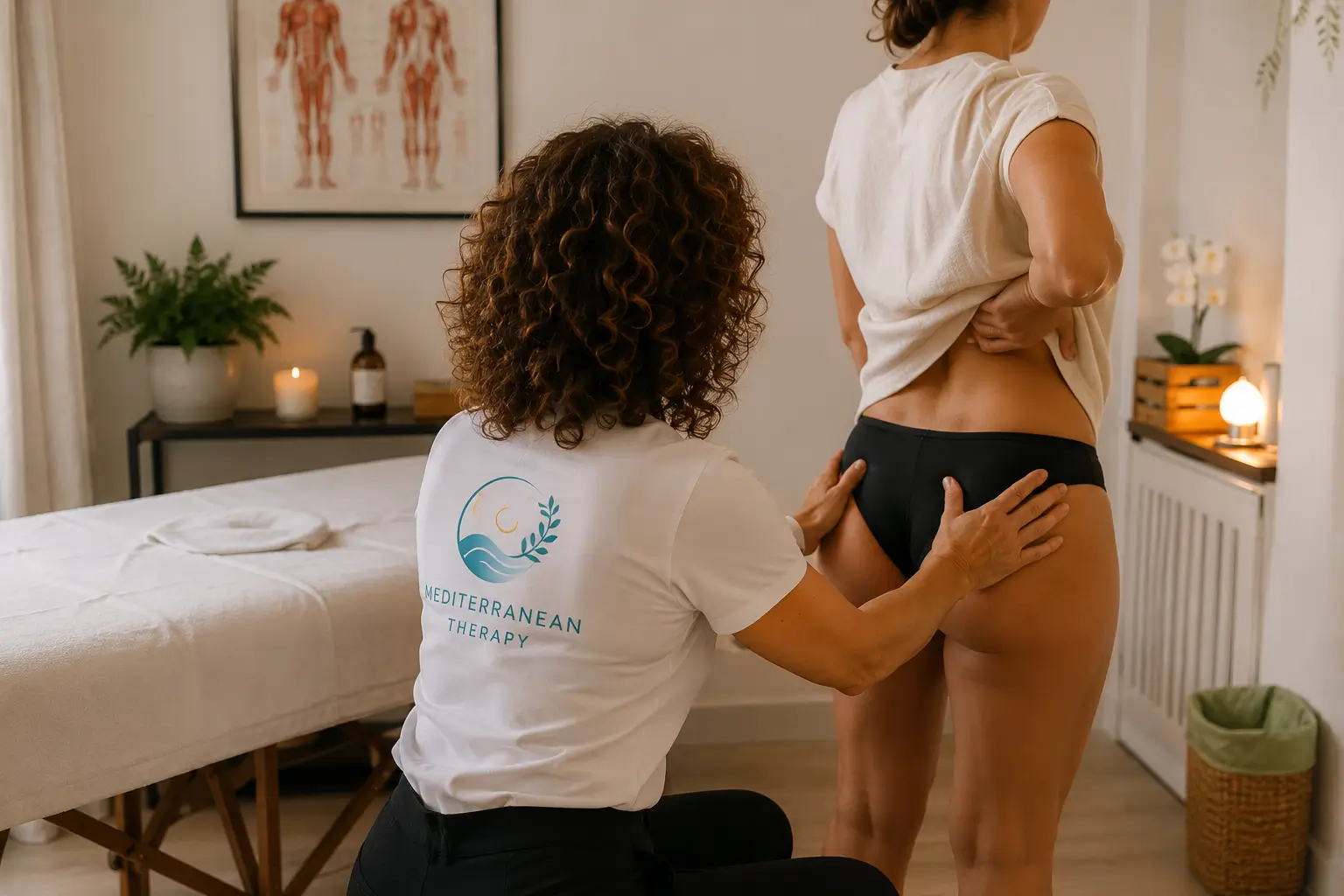
If you are looking for a massage near Thermae Bath Spa, Mediterranean Therapy is an independent massage and wellness studio located in the heart of Bath, approximately one minute’s walk from Thermae Bath Spa.

It is a convenient option if you would like to continue your day of relaxation with a personalised treatment in a private and welcoming setting.

Book your professional Massage in Bath.

Continue Your Relaxation After the Spa

A visit to Bath often involves more walking than expected. Exploring the city, shopping, sightseeing and spending time in the thermal waters can leave the body feeling tired or heavy.

A professional massage afterwards can help you slow down, relax tired muscles and enjoy a little more time dedicated to yourself.

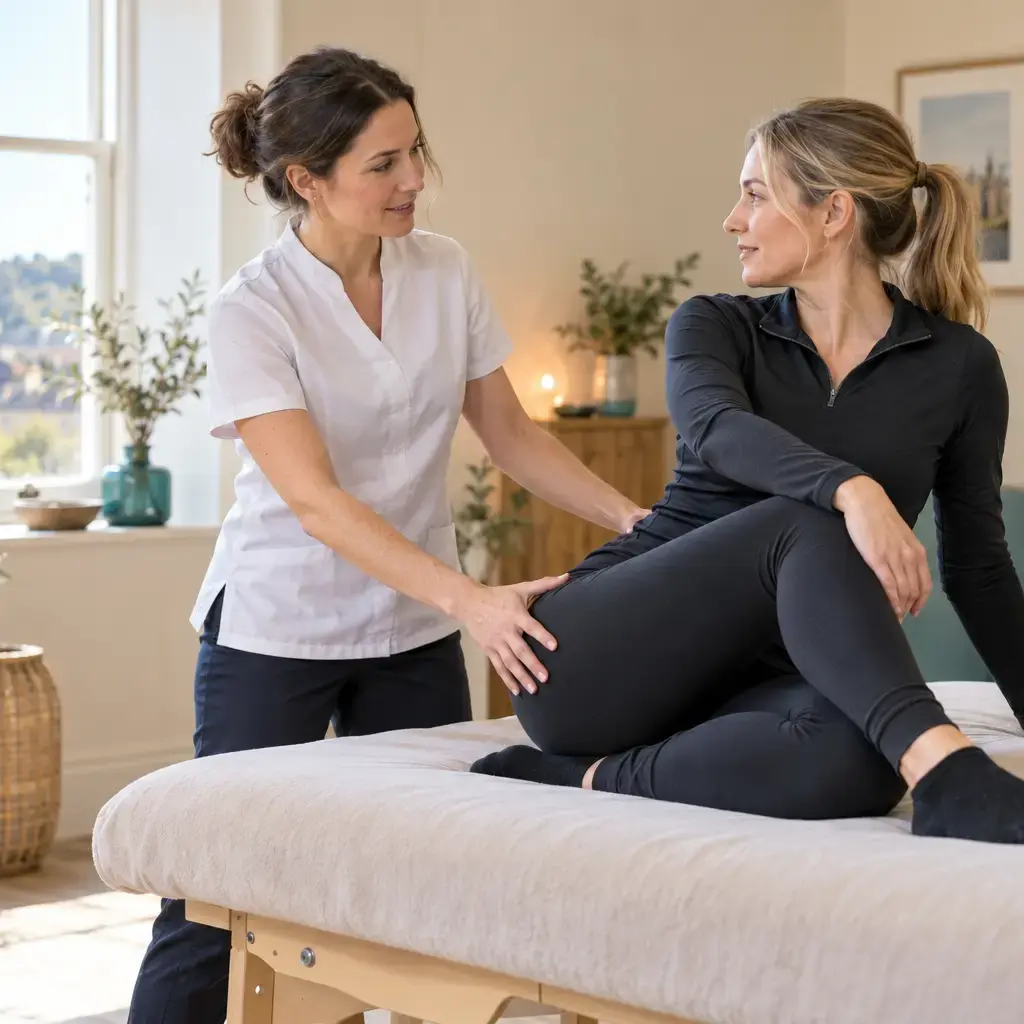
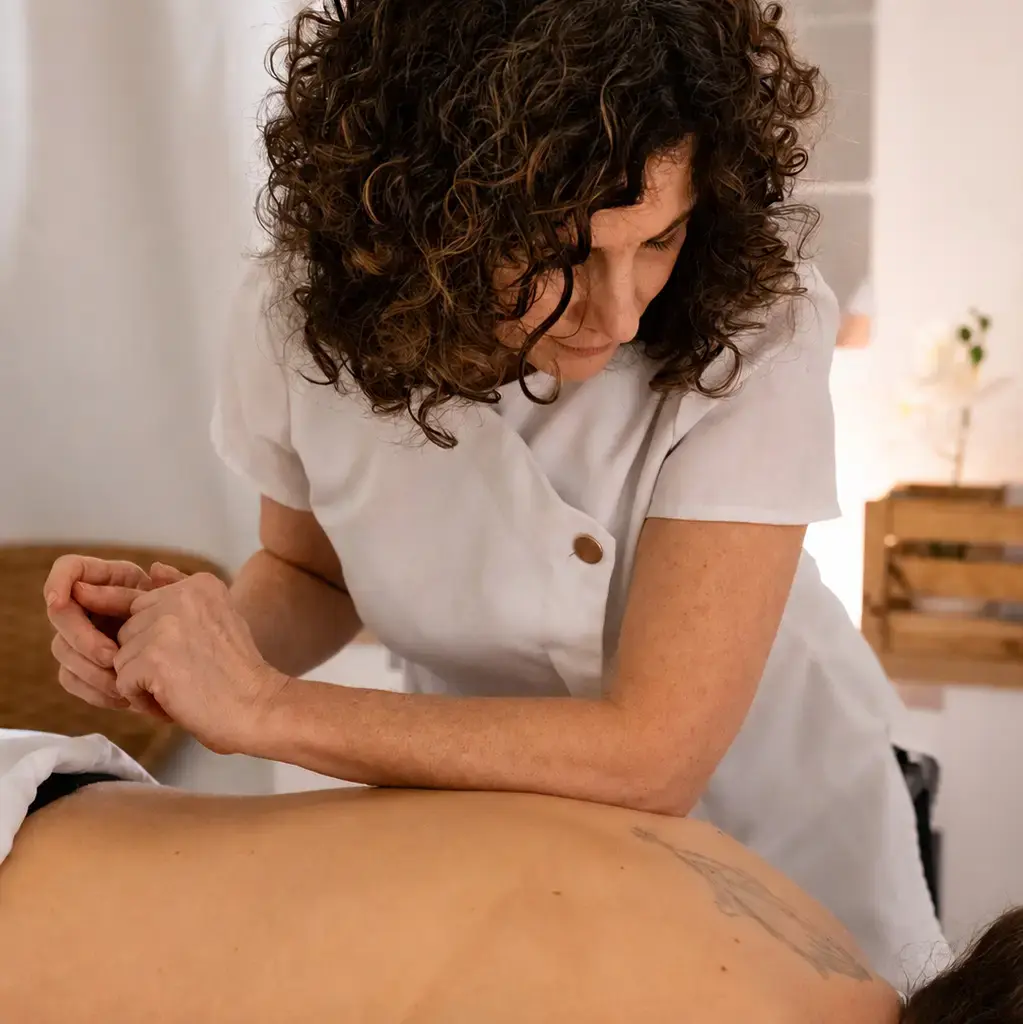
At Mediterranean Therapy, every treatment is adapted to the individual. Pressure and techniques can be adjusted depending on whether you simply want to relax or would like more focused work on areas of muscular tension.

Massage Treatments in Bath City Centre

Mediterranean Therapy offers a range of treatments designed for relaxation, muscular tension and general wellbeing, including:

    • •  Swedish Massage – a relaxing full-body treatment ideal for switching off and releasing everyday tension.
    • •  Deep Tissue Massage – for clients who prefer firmer pressure and more focused work on tight or tired muscles.
    • •  Back, Neck & Shoulder Massage – particularly useful after travelling, walking around Bath or spending long periods sitting.
    • •  Manual Lymphatic Drainage – Vodder Method – a very gentle and specialised technique designed to support the natural lymphatic system.
    • •  Hot Stone Massage – combining massage with the comforting warmth of heated stones for deep relaxation.
    • •  Facial, scalp and other wellness treatments – ideal if you would like to extend your relaxation experience.

Your treatment can be tailored to how your body feels on the day.

Couples Massage in Bath

Visiting Bath with your partner, a friend or someone special?

A couples massage in Bath can be a lovely addition to your visit.

At Mediterranean Therapy, couples can enjoy their massages at the same time, in the same room, with two therapists, allowing you to share the experience while still receiving an individually tailored treatment.

It can be particularly enjoyable as part of a romantic weekend, birthday celebration, anniversary or relaxing day in Bath.

A Private Wellness Experience in Central Bath

One of the advantages of choosing an independent massage studio is the personal approach.

Rather than following exactly the same routine for every client, the treatment can be adapted according to your preferences and what your body needs.

You may want a deeply relaxing massage, firmer deep-tissue work, attention to your back and shoulders, or a combination of techniques.

The aim is to create a calm, unhurried experience where the treatment feels personal to you.

Just a Short Walk from Thermae Bath Spa

Location is particularly important when you are spending a relaxing day in Bath.

Mediterranean Therapy is situated in central Bath, approximately one minute’s walk from Thermae Bath Spa, making it easy to include a massage in your day without travelling across the city.

It is also conveniently located for visitors staying in central Bath hotels or exploring the main shopping and historic areas.

Mediterranean Therapy is an independent business and is not affiliated with Thermae Bath Spa.

Same-Day Massage Appointments in Bath

If you are already in Bath and decide that you would like a massage, it may still be worth getting in touch.

Same-day appointments may be available, depending on the schedule and therapist availability.

Couples treatments require two therapists, so advance booking is recommended whenever possible.

Frequently Asked Questions

Yes. Many people like to continue their relaxation with a massage afterwards. Your treatment can be adapted depending on whether you would like gentle relaxation or more focused muscular work.

The studio is approximately one minute’s walk from Thermae Bath Spa, in Bath city centre.

Yes. Deep tissue massage is available and can be tailored to focus on areas of muscular tension while adjusting the pressure to your preference.

Yes. Couples massages are available with two therapists working simultaneously in the same room, subject to therapist availability.

Same-day appointments may be possible. It is always worth checking availability, particularly if you are already visiting Bath.

Looking for a Massage Near Thermae Bath Spa?

If you are planning a relaxing day in Bath, a massage can be a wonderful way to complete the experience.

Whether you choose a relaxing Swedish massage, deep tissue treatment, hot stone massage, lymphatic drainage or a couples massage, Mediterranean Therapy offers personalised treatments in a calm setting in the heart of the city.

Mediterranean Therapy – Massage & Wellness in Bath City Centre

Approximately one minute’s walk from Thermae Bath Spa.

Check availability or book your treatment directly through the Mediterranean Therapy website.

At Mediterranean Therapy, every session begins with a conversation about your goals, comfort and relevant health information. Pressure is adjusted throughout the treatment, and your feedback helps shape future sessions.

Explore Deep Tissue Massage in Bath or Swedish Massage in Bath, or contact Mediterranean Therapy for help choosing a treatment and a realistic appointment schedule.

Visit Me for Your Massage in Bath

Enjoy your treatment at Mediterranean Therapy, located inside The Soul Spa a serene, centrally located wellness space in the heart of Bath:

📍 2 Hetling Court, Bath. Tel: 07378275075
👉 Click and get directions

Relax with a massage. Your expert massage therapist in Bath is ready to help you restore balance and calm, the best experience massage in Bath.

Teresa - Your Spa Therapist

Teresa - Your Spa Therapist

Massage therapist, facials and skincare with 5 star hotel experiences, an expert in a wide range of treatments.

Mediterranean Therapy
2 Hetling Court Bath - Tel: 07378275075

Massage Therapist Posts

Massage & Rejuvenation Services

  • Back, Neck & Shoulder
    Back, Neck & Shoulder

    30 mins – Click to Book!

    £ 35
  • Couple Massage
    Couple Massage

    1 hour – Click to Book!

    £ 140
  • Deep Tissue Massage
    Deep Tissue Massage

    1 hour – Click to Book!

    £ 70
  • Lymphatic Drainage Massage
    Lymphatic Drainage Massage

    1 hour – Click to Book!

    £ 70
  • Hot Stone Massage
    Hot Stone Massage

    1 hour – Click to Book!

    £ 70
  • Pregnancy Massage
    Pregnancy Massage

    1 hour – Click to Book!

    £ 70

Follow me on Social Media

Piriformis Pain or Sciatica? Combined Soft Tissue Techniques for Low Back and Buttock Tension

Piriformis Pain or Sciatica? Combined Soft Tissue Techniques for Low Back and Buttock Tension

Quick answer: Buttock pain that travels into the leg can have different causes. Sciatica describes symptoms linked to irritation or compression of the sciatic nerve; the piriformis is one muscle in the deep buttock area, and symptoms can overlap. A Deep Tissue Massage cannot diagnose the cause or cure nerve compression. When massage is suitable, an assessment-led approach may combine focused soft tissue work with comfortable movement or stretching, rather than relying on heavy pressure in one spot.

A deep ache in one buttock, tightness around the hip or pain that travels down the back of the leg can make you wonder whether the piriformis is involved or whether it is sciatica. The names are often mixed up, but they do not mean the same thing. This guide explains the difference and how a considered massage session may fit into a wider plan for comfort and movement.

Book your professional Massage in Bath.

Piriformis pain and sciatica: what is the difference?

Sciatica is a symptom pattern associated with irritation or compression of the sciatic nerve. It commonly affects the buttock and the back of one leg, sometimes reaching the foot. People may notice sharp or burning pain, tingling, numbness or weakness. The source is often in the lower back, so pain down the leg does not automatically mean the piriformis muscle is responsible.

The piriformis is a small, deep muscle in the buttock. Sensitivity in this area can be one possible contributor to buttock or hip discomfort, and the symptoms may resemble sciatica. However, the pattern alone cannot confirm what is causing the pain. A GP or physiotherapist can assess symptoms that persist, worsen or affect everyday activities.

Why a combined approach can be more thoughtful

A sports massage-informed approach is not simply about using more pressure. It starts by asking about your activity, when the symptoms began, what makes them better or worse, and what you would like to be able to do. The therapist then agrees a focus with you and chooses only techniques that are appropriate to the findings, your comfort and their training.

For some people, a session may include slower, focused Deep Tissue Massage on selected muscles around the lower back, hip and buttock. A therapist may also use specific work on tender points or gentle stretching when appropriate. Combining approaches does not mean using every technique in one appointment: the aim is to choose a suitable sequence and check how your body responds as the session progresses.

Pressure should never be a test of endurance. Deep Tissue Massage can feel focused, but it should be adjusted to your feedback. If a movement or pressure creates sharp, electric or spreading pain down the leg, tell the therapist so they can stop or change the approach. The sciatic nerve is not something to press hard on in an attempt to “release” it.

What can massage realistically do?

Massage may help some people feel more comfortable in muscles that feel tight or overworked, but it cannot identify the medical cause of sciatica or promise to fix a compressed nerve. NHS guidance includes massage as one manual-therapy technique that may be used within physiotherapy, alongside exercise advice. That is different from claiming that a stand-alone Deep Tissue Massage cures sciatica.

A useful session should also leave room for simple aftercare. Depending on your situation, that could mean comfortable movement, a gentle stretch or a suggestion to follow up with a GP or physiotherapist. Advice should be individual; avoid forcing a stretch or repeating anything that increases leg symptoms.

When to seek medical advice

Contact your GP if leg pain has not improved after a few weeks, is getting worse or is stopping normal activities. Seek urgent help through A&E or call 999 if you have sciatica on both sides, severe or worsening weakness or numbness in both legs, numbness around the genitals or bottom, or new difficulty controlling your bladder or bowels. These symptoms need urgent medical assessment, not a massage appointment.

Deep Tissue Massage in Bath at Mediterranean Therapy

At Mediterranean Therapy in Bath, a Deep Tissue Massage begins with a conversation about your symptoms, activity and comfort. If massage is suitable, the focus and pressure are adapted to you. Read about the Deep Tissue Massage treatment or contact the studio with a question.

Frequently Asked Questions

No. It cannot diagnose or guarantee a cure for sciatica or nerve compression. Massage may support muscular comfort for some people and can be considered as part of a wider care plan.

No. Sciatica describes symptoms associated with the sciatic nerve. The piriformis is one possible source of buttock discomfort, and the symptoms can overlap. A massage therapist cannot confirm the diagnosis.

No. Pressure should be agreed and adjusted to your feedback. Sharp, electric or spreading pain is a reason to tell your therapist to stop or change the technique.

Visit Me for Your Massage in Bath

Enjoy your treatment at Mediterranean Therapy, located inside The Soul Spa a serene, centrally located wellness space in the heart of Bath:

📍 2 Hetling Court, Bath. Tel: 07378275075
👉 Click and get directions

Relax with a massage. Your expert massage therapist in Bath is ready to help you restore balance and calm, the best experience massage in Bath.

Teresa - Your Spa Therapist

Teresa - Your Spa Therapist

Massage therapist, facials and skincare with 5 star hotel experiences, an expert in a wide range of treatments.

Mediterranean Therapy
2 Hetling Court Bath - Tel: 07378275075

Massage Therapist Posts

Massage & Rejuvenation Services

  • Back, Neck & Shoulder
    Back, Neck & Shoulder

    30 mins – Click to Book!

    £ 35
  • Couple Massage
    Couple Massage

    1 hour – Click to Book!

    £ 140
  • Deep Tissue Massage
    Deep Tissue Massage

    1 hour – Click to Book!

    £ 70
  • Lymphatic Drainage Massage
    Lymphatic Drainage Massage

    1 hour – Click to Book!

    £ 70
  • Hot Stone Massage
    Hot Stone Massage

    1 hour – Click to Book!

    £ 70
  • Pregnancy Massage
    Pregnancy Massage

    1 hour – Click to Book!

    £ 70

Follow me on Social Media

How Often Should You Get a Massage? | Massage Therapy Bath

How Often Should You Get a Massage? | Massage Therapy Bath

How Often Should You Get a Massage? A Practical Guide Quick answer: There is no single ideal massage frequency. Some people book occasionally for relaxation, others choose regular appointments for recurring tension, and a short course may sometimes be used for a specific goal. The best schedule is the least frequent one that still provides a worthwhile benefit, fits your budget and allows your body to respond comfortably.

People often ask whether massage should be weekly, fortnightly or monthly. The honest answer is that frequency depends on why you are booking, how you respond, what else you are doing for your health and what is realistic for you.

At Mediterranean Therapy in central Bath, a treatment plan is not a fixed subscription or a promise that everyone needs the same number of sessions. Your first appointment provides useful information: how the treatment feels, how long any benefit lasts and whether the approach suits your goal.

Book your professional Massage in Bath.

What determines how often you should have a massage?

A useful schedule considers several factors together:

    • •  your main goal relaxation, general wellbeing, recurring muscular tension or support around an active lifestyle
    • •  the type and intensity of the treatment
    • •  how you feel during the following 24 to 48 hours
    • •  how long the benefit appears to last
    • •  your health, medication, recent injury or medical care
    • •  your work, exercise, sleep and stress levels
    • •  your time and budget.

More frequent treatment is not automatically better. A schedule should have a clear purpose and should be reviewed rather than continued simply out of habit.

How often should you get a massage for relaxation?

For relaxation and general wellbeing, there is no medical requirement to follow a strict timetable. Some clients enjoy a massage once a month; others book only during particularly busy or stressful periods. The right interval is the one that feels valuable and sustainable.

If you notice that the calming effect lasts several weeks, a monthly appointment may suit you. If massage is an occasional treat, there is nothing wrong with booking less often. Regular sleep, movement, rest and stress-management habits remain important between appointments.

How often should you have massage for recurring tension?

When tension returns repeatedly, it may be reasonable to begin with appointments closer together and then increase the interval once symptoms feel more manageable. For example, a therapist and client might review progress after two or three sessions rather than committing in advance to a long package.

Research does not support one universal schedule. In one trial involving people with chronic neck pain, several 60-minute massages per week over four weeks produced better short-term outcomes than fewer or shorter sessions. That result applies to a specific research programme and does not mean that everyone with neck tension needs several massages each week.

Persistent or worsening pain should not be managed through massage alone. If pain lasts, affects normal movement, follows an injury or is accompanied by numbness, weakness, swelling, fever or feeling unwell, seek advice from a GP, physiotherapist or NHS 111 as appropriate.

How often should you get a Deep Tissue Massage?

Deep Tissue Massage should be timed according to the area treated, the pressure used and your response. If you feel comfortable afterwards, your next appointment can be guided by when the original tension begins to return. If you remain sore, the answer is not to repeat strong treatment immediately.

As explained in the second article in this series, mild tenderness may occur after focused work, but severe or worsening pain should not be dismissed as normal. Pressure, pace, technique or the time spent on one area can be adjusted at the next appointment.

Is a weekly massage too often?

A weekly massage is not necessarily too frequent for a healthy person when the treatment is appropriate and well tolerated. However, it should have a reason. A short weekly phase may suit someone reviewing a particular pattern of tension, while another person may gain everything they need from fortnightly or monthly care.

Frequent massage is not a substitute for diagnosis, rehabilitation or medical treatment. It should also not be used to repeatedly push through pain caused by training, work or an untreated injury.

When can you space appointments further apart?

Consider increasing the interval when:

    • •  the benefit lasts longer between appointments
    • •  daily movement and exercise feel comfortable
    • •  you can manage tension with ordinary self-care
    • •  your original goal has been reached
    • •  appointments are no longer producing a noticeable additional benefit

A good maintenance plan should support independence. The aim is not to make you feel that your body cannot cope without constant treatment.

How do you know when to book your next massage?

After each appointment, notice three things: how you feel later that day, how you feel over the next one or two days and how long any useful change remains noticeable. This gives more meaningful information than choosing an interval based only on a calendar.

You can also consider what is coming up. If you are planning heavy exercise, the third article in this series explains how to time massage around training and why there is no universal waiting period after treatment.

Frequently Asked Questions

One massage may be enough for relaxation or to decide whether the treatment suits you. A recurring concern may need review over more than one appointment, but no responsible therapist can guarantee a fixed number in advance.

A monthly massage can be a practical routine for relaxation or general wellbeing if you find it helpful. It is not a medical rule, and the benefit should be judged by your own experience and goals.

It may be possible, but repeating focused work on the same tender area may not be useful. Tell the therapist about the previous treatment and any soreness so the second session can be adapted or postponed.

Not necessarily. Some people prefer to book when familiar tension first begins to return. New, severe, unexplained or worsening symptoms, however, may need healthcare assessment rather than massage.

No. A short series can be useful when there is a clear goal and progress is reviewed, but you should understand why it is being suggested and remain free to change the plan.

Personalised Massage Therapy in Bath

At Mediterranean Therapy, every session begins with a conversation about your goals, comfort and relevant health information. Pressure is adjusted throughout the treatment, and your feedback helps shape future sessions.

Explore Deep Tissue Massage in Bath or Swedish Massage in Bath, or contact Mediterranean Therapy for help choosing a treatment and a realistic appointment schedule.

Visit Me for Your Massage in Bath

Enjoy your treatment at Mediterranean Therapy, located inside The Soul Spa a serene, centrally located wellness space in the heart of Bath:

📍 2 Hetling Court, Bath. Tel: 07378275075
👉 Click and get directions

Relax with a massage. Your expert massage therapist in Bath is ready to help you restore balance and calm, the best experience massage in Bath.

Teresa - Your Spa Therapist

Teresa - Your Spa Therapist

Massage therapist, facials and skincare with 5 star hotel experiences, an expert in a wide range of treatments.

Mediterranean Therapy
2 Hetling Court Bath - Tel: 07378275075

Massage Therapist Posts

Massage & Rejuvenation Services

  • Back, Neck & Shoulder
    Back, Neck & Shoulder

    30 mins – Click to Book!

    £ 35
  • Couple Massage
    Couple Massage

    1 hour – Click to Book!

    £ 140
  • Deep Tissue Massage
    Deep Tissue Massage

    1 hour – Click to Book!

    £ 70
  • Lymphatic Drainage Massage
    Lymphatic Drainage Massage

    1 hour – Click to Book!

    £ 70
  • Hot Stone Massage
    Hot Stone Massage

    1 hour – Click to Book!

    £ 70
  • Pregnancy Massage
    Pregnancy Massage

    1 hour – Click to Book!

    £ 70

Follow me on Social Media

Can You Exercise After a Massage? | Massage Therapy Bath

Can You Exercise After a Massage? | Massage Therapy Bath

Can You Exercise After a Massage? What to Do Before and After Treatment. Quick answer: Gentle movement after a massage is often comfortable, but an intense workout may be better postponed if you feel tender, unusually relaxed, light-headed or less stable than normal. There is no universal waiting time: consider the type of massage, the pressure used, how your body responds and what exercise you plan to do.

You may book a massage to support an active lifestyle, recover after training or ease tension before returning to the gym. A common question then follows: should you exercise before the massage, afterwards, or on a different day?

The answer is not simply “always wait 24 hours”. A gentle walk after a relaxing massage is very different from heavy squats after focused work on the hips and legs. At Mediterranean Therapy in Bath, aftercare is considered in relation to the individual treatment rather than one rule for everyone.

Book your professional Massage in Bath.

Can you work out immediately after a massage?

Sometimes, but it depends on how you feel and what the session involved. If the massage was gentle, you feel alert and comfortable, and the planned activity is light, you may not need to avoid movement.

An intense session is a different decision. Deep or concentrated work may leave an area temporarily tender, and a deeply relaxing treatment may make you feel less ready for heavy lifting, fast running or technically demanding exercise. Training through discomfort is unlikely to tell you anything useful about the quality of the massage.

How long should you wait after a Deep Tissue Massage?

There is no evidence-based waiting period that applies to every healthy person. As a practical approach, give yourself time to notice how the treated area responds. If you feel normal, comfortable movement may be reasonable. If you are sore, heavy or unusually fatigued, move the hard session to another day.

The direction of change matters. Mild tenderness should settle, not become progressively stronger. The previous article in this series explains what is usually temporary and when post-massage pain should not be dismissed as normal.

What movement is usually suitable after a massage?

For many people, low-intensity activity feels better than complete inactivity. Depending on your usual ability and health, this might include:

    • •  an easy walk
    • •  gentle everyday movement
    • •  comfortable mobility through a normal, pain-free range
    • •  slow breathing and relaxation
    • •  a gradual return to training once the body feels settled.

Avoid using aggressive stretching, heavy loading or a hard workout to “test” a tender area. Stop if movement produces sharp pain, worsening symptoms, dizziness, weakness or anything that feels unusual for you.

Is massage better before or after a workout?

The best timing depends on your purpose. Before exercise, a massage should not replace a proper sport-specific warm-up. Research does not show that massage reliably improves athletic performance, and longer pre-performance massage may be unhelpful for strength or sprint readiness.

After strenuous exercise, massage may help some people feel less sore and improve perceived recovery, but the research suggests that improvements in performance recovery are generally small or inconsistent. Massage can support a recovery routine; it is not a substitute for sleep, nutrition, gradual training and appropriate medical or physiotherapy care.

Can you exercise before a massage?

Yes, many people book after training. Allow your breathing and body temperature to return towards normal, drink according to thirst and arrive clean and comfortable. Tell the therapist what exercise you completed, which areas were heavily loaded and whether you noticed pain rather than ordinary fatigue.

If you have just sustained an injury, have significant swelling or bruising, or cannot use the area normally, massage should not be treated as a way to push through it. A GP, physiotherapist or NHS 111 may be more appropriate.

How should you plan massage around training?

If performance matters – for example, before a race, match or demanding gym session – arrange the massage at a time when you already know how your body tends to respond. Do not experiment with unfamiliar deep work immediately before an important event.

Tell your therapist about your training schedule and goal. Pressure, focus and treatment style can then be adapted. A Swedish Massage may suit a relaxation or rest day, while targeted Deep Tissue Massage may be planned when there is enough time to observe any temporary tenderness.

Frequently Asked Questions

Possibly. Light activity may be comfortable, but postpone heavy or intense training if you feel tender, tired, dizzy or less coordinated than normal.

An easy run may feel fine after a gentle treatment if you have no unusual symptoms. After focused work on the legs, hips or feet, it may be more sensible to wait until movement feels comfortable and normal.

A rest or lower-intensity day can make scheduling simpler, particularly for deeper work. It gives you time to notice your response without needing to complete a demanding session immediately afterwards.

Massage may reduce perceived soreness and support flexibility for some people, but improvements in performance recovery are usually modest. It should be one part of a broader recovery plan.

Personalised Massage Therapy in Bath

At Mediterranean Therapy, your treatment can be adapted around exercise, work demands and how your body feels on the day. The aim is not to follow the strongest routine, but to choose pressure and timing that support your goal safely and comfortably.

Explore Deep Tissue Massage in Bath, Swedish Massage in Bath or book an appointment for personalised guidance.

Visit Me for Your Massage in Bath

Enjoy your treatment at Mediterranean Therapy, located inside The Soul Spa a serene, centrally located wellness space in the heart of Bath:

📍 2 Hetling Court, Bath. Tel: 07378275075
👉 Click and get directions

Relax with a massage. Your expert massage therapist in Bath is ready to help you restore balance and calm, the best experience massage in Bath.

Teresa - Your Spa Therapist

Teresa - Your Spa Therapist

Massage therapist, facials and skincare with 5 star hotel experiences, an expert in a wide range of treatments.

Mediterranean Therapy
2 Hetling Court Bath - Tel: 07378275075

Massage Therapist Posts

Massage & Rejuvenation Services

  • Back, Neck & Shoulder
    Back, Neck & Shoulder

    30 mins – Click to Book!

    £ 35
  • Couple Massage
    Couple Massage

    1 hour – Click to Book!

    £ 140
  • Deep Tissue Massage
    Deep Tissue Massage

    1 hour – Click to Book!

    £ 70
  • Lymphatic Drainage Massage
    Lymphatic Drainage Massage

    1 hour – Click to Book!

    £ 70
  • Hot Stone Massage
    Hot Stone Massage

    1 hour – Click to Book!

    £ 70
  • Pregnancy Massage
    Pregnancy Massage

    1 hour – Click to Book!

    £ 70

Follow me on Social Media

Why Am I Sore After a Massage? | Massage Therapy Bath

Why Am I Sore After a Massage? | Massage Therapy Bath

Why Do I Feel Sore After a Massage? What Is Normal and When to Seek Advice. Quick answer: Mild tenderness after a massage can happen, particularly after focused or unfamiliar pressure. It should usually feel manageable and begin to ease within a day or two. Severe, sharp or worsening pain, marked swelling or bruising, numbness, weakness or feeling unwell is not something to dismiss as normal massage soreness.

You leave your massage feeling looser and more relaxed. Later that evening, or the following morning, an area feels tender – almost as though you have exercised. It is understandable to wonder whether this is normal and whether the treatment was too strong.

Some people experience short-lived soreness after massage, while others feel none at all. Neither response proves how effective the treatment was. At Mediterranean Therapy in Bath, pressure and technique are adapted to the individual, because a useful treatment should never be measured by how sore you feel afterwards.

Book your professional Massage in Bath.

Why can you feel sore after a massage?

Massage places mechanical pressure on skin, muscles and other soft tissues. An area that was already sensitive, tense or recently overloaded may respond with temporary tenderness, especially when it receives more focused work than it is used to.

Your response may also vary according to the pressure used, how long one area was treated, your recent activity, sleep, stress, general health and sensitivity on that particular day. The exact reason cannot always be reduced to one simple mechanism.

Importantly, soreness is not evidence that “toxins” or lactic acid have been released. Those popular explanations are misleading. Post-massage tenderness is better understood as an individual, short-term response to touch and pressure.

Is it normal to be sore after a Deep Tissue Massage?

A little localised tenderness can occur after Deep Tissue Massage, particularly if the session included slow, concentrated work on an already sensitive area. It should remain mild, should not interfere significantly with normal movement and should gradually improve rather than intensify.

Deep tissue does not have to mean maximum pressure. As explained in the first article in this series, a massage does not need to hurt to be effective. More discomfort during or after treatment is not proof of a better result.

How long should massage soreness last?

Minor after-effects often begin within several hours and settle within approximately 24 to 48 hours. A study of massage clients found that most minor negative symptoms began within 12 hours and lasted 36 hours or less, although every person and treatment is different.

The important feature is the direction of change: mild tenderness should be easing. If pain is becoming stronger, lasts beyond a couple of days without improvement or affects your ability to move normally, contact the therapist and consider advice from a GP, physiotherapist or NHS 111.

What can help after a massage?

Aftercare does not need to be complicated. If you feel mildly tender:

    1. keep the rest of the day relatively gentle and avoid immediately testing the area with intense exercise
    2. continue comfortable everyday movement rather than remaining completely still
    3. use a warm shower or other gentle warmth if it feels soothing and is appropriate for you
    4. drink normally according to thirst; extra water is not required to “flush out toxins”
    5. notice whether the sensation is improving and tell your therapist before your next treatment.

If you have a health condition, recent injury or surgery, or you take medication that affects bleeding or sensation, follow the advice of your healthcare professional rather than generic aftercare.

When is pain after massage not normal?

Massage is generally low risk for many people, but vigorous treatment is not appropriate in every circumstance. Do not assume that every new symptom is simply part of the process.

Seek medical advice if you experience:

    • •  severe, sharp or rapidly worsening pain
    • •  significant or increasing swelling or bruising
    • •  new numbness, tingling, weakness or loss of normal movement
    • •  pain accompanied by fever or feeling generally unwell
    • •  symptoms that persist without improvement.

NHS 111 can advise when urgent assessment may be needed. Call 999 for emergency symptoms such as chest pain, severe breathing difficulty or sudden signs of a stroke.

How can post-massage soreness be reduced next time?

Tell your therapist how you felt after the previous session. Useful feedback includes where you felt sore, how intense it was and how long it lasted. The next treatment can then be adjusted through pressure, pace, positioning, technique or the amount of time spent on one area.

You can also speak up during the massage. If you begin holding your breath, bracing or pulling away, the pressure may no longer be useful. A Swedish Massage or a more moderate approach may sometimes suit your goal better than concentrated deep work.

Frequently Asked Questions

No. You may benefit from a treatment without feeling sore afterwards. Soreness is a possible response, not a measure of quality or effectiveness.

Comfortable everyday movement is generally reasonable, but it may be sensible to postpone intense exercise if the treated area feels tender. If symptoms are unusual or significant, seek individual advice.

Stay normally hydrated and drink according to thirst. Water supports general wellbeing, but there is no need to force large amounts to remove supposed toxins released by massage.

Yes, occasionally. Sensitivity depends on the person, the area treated and their circumstances that day, not only on whether the pressure felt firm.

Personalised Massage Therapy in Bath

At Mediterranean Therapy, every session begins with a conversation about your goals, comfort and relevant health information. Pressure is adjusted throughout the treatment, and your feedback helps shape future sessions.

If you are unsure which approach would suit you, explore Deep Tissue Massage in Bath or Swedish Massage in Bath, or contact Mediterranean Therapy for guidance before booking.

Visit Me for Your Massage in Bath

Enjoy your treatment at Mediterranean Therapy, located inside The Soul Spa a serene, centrally located wellness space in the heart of Bath:

📍 2 Hetling Court, Bath. Tel: 07378275075
👉 Click and get directions

Relax with a massage. Your expert massage therapist in Bath is ready to help you restore balance and calm, the best experience massage in Bath.

Teresa - Your Spa Therapist

Teresa - Your Spa Therapist

Massage therapist, facials and skincare with 5 star hotel experiences, an expert in a wide range of treatments.

Mediterranean Therapy
2 Hetling Court Bath - Tel: 07378275075

Massage Therapist Posts

Massage & Rejuvenation Services

  • Back, Neck & Shoulder
    Back, Neck & Shoulder

    30 mins – Click to Book!

    £ 35
  • Couple Massage
    Couple Massage

    1 hour – Click to Book!

    £ 140
  • Deep Tissue Massage
    Deep Tissue Massage

    1 hour – Click to Book!

    £ 70
  • Lymphatic Drainage Massage
    Lymphatic Drainage Massage

    1 hour – Click to Book!

    £ 70
  • Hot Stone Massage
    Hot Stone Massage

    1 hour – Click to Book!

    £ 70
  • Pregnancy Massage
    Pregnancy Massage

    1 hour – Click to Book!

    £ 70

Follow me on Social Media

Should a Massage Hurt to Be Effective? | Deep Tissue Massage Bath

Should a Massage Hurt to Be Effective? | Deep Tissue Massage Bath

Should a Massage Hurt to Be Effective? Understanding Pressure, Pain and Communication. Quick answer: No. A massage does not need to hurt to be effective. Firm pressure may feel intense or tender in a tight area, but it should remain manageable and should not cause sharp, burning, electrical or overwhelming pain. The right pressure is the level that supports your goal while allowing your body to feel safe and your muscles to remain responsive.

Many people arrive for a Deep Tissue Massage believing that the treatment must be painful to work. They may think that staying silent through strong pressure is part of the process, or that soreness afterwards proves that something has been released.

In reality, deeper is not automatically better. Pressure is only one part of massage, alongside pace, positioning, technique, timing and communication. At Mediterranean Therapy in Bath, treatment is adapted to the individual rather than delivered at one fixed intensity.

Book your professional Massage in Bath.

Why do some massages feel intense?

Areas that already feel tense or sensitive can respond differently to touch. Focused work around a tight muscle may create a strong sensation, particularly if the area has been overloaded by repetitive activity, exercise, posture or stress.

Some clients describe this as a productive tenderness: they can feel the area being worked, but they can still breathe normally, stay relaxed and communicate. That is different from pain that makes the body brace, pull away or hold its breath.

What is the difference between pressure and pain?

There is no universal pressure scale that feels the same to everyone. A level that feels comfortable to one person may be excessive for another, and your tolerance can change from one day to the next.

Strong but manageable sensations may include:

    • •  steady pressure that feels focused on a tense area
    • •  temporary tenderness that eases when the technique changes
    • •  a sensation that remains within your control
    • •  pressure during which you can continue breathing and relaxing.

Ask for the pressure to be reduced or stopped if you experience:

    • •  sharp, stabbing or burning pain
    • •  tingling, numbness or an electrical sensation
    • •  pain that travels unexpectedly into another area
    • •  pressure that makes you tense, hold your breath or want to move away
    • •  any sensation that feels frightening, unsafe or simply wrong.

Does Deep Tissue Massage have to hurt?

No. Deep Tissue Massage refers to focused work with deeper muscular and connective-tissue layers; it does not mean using the maximum pressure a therapist can deliver. Slow techniques, sustained contact and careful positioning may allow effective work without forcing the body.

If pressure is too strong, you may instinctively tighten the very area that the therapist is trying to work with. A treatment can therefore be intense without becoming a test of endurance. The aim is not to win a battle against the muscle, but to work progressively within a level that is appropriate for you.

Can a lighter massage still be effective?

Yes. The most appropriate treatment depends on why you booked. A lighter or moderate-pressure massage may be a better choice when the priority is relaxation, when you are highly sensitive, or when deeper work would not be suitable.

A Swedish or relaxation-style massage uses flowing, rhythmical movements and can help the body settle without strong pressure. Gentle does not mean ineffective, just as firm does not automatically mean therapeutic. A professional consultation helps match the approach to your goals and health circumstances.

Why communication matters during massage

Your therapist can observe changes in breathing or muscle tension, but cannot feel exactly what you feel. Clear feedback is therefore part of a good treatment, not an interruption or a complaint.

You can say:

    • •  ‘Could you use a little less pressure there?’
    • •  ‘That feels strong but comfortable.’
    • •  ‘I am feeling tingling; can we stop and change position?’
    • •  ‘Could we spend less time on this area?’
    • •  ‘I would prefer a gentler treatment today.’

You are also free to change your mind. Agreeing to firm pressure at the beginning does not mean you must continue with it throughout the session.

Can too much massage pressure be harmful?

Massage is generally considered low risk for many healthy people, but it is not risk-free for everyone. Very vigorous techniques may be inappropriate in certain circumstances, and rare serious adverse effects have been reported, particularly where a person already had an increased risk of injury.

Tell your therapist about relevant health conditions, recent surgery or injury, pregnancy, medication, unexplained swelling, skin problems or unusual pain. Treatment may need to be adapted, postponed or referred for medical assessment. Massage should not be used to push through symptoms that need diagnosis.

Is soreness after a deep massage normal?

Some people notice mild, short-lived tenderness after focused work, while others feel no soreness at all. More soreness does not prove that a massage was more successful. Pain that is severe, worsening, associated with swelling or neurological symptoms, or does not settle should not simply be dismissed as normal aftercare.

The next article in this series will explore this question in more detail: Why Do I Feel Sore After a Massage?

Frequently Asked Questions

No. Massage may sometimes feel strong or tender, but it should not feel sharp, burning, unbearable or unsafe. Tell the therapist whenever a sensation is not right for you.

People sometimes use this phrase for strong but manageable tenderness that feels relevant to a tight area. It is not a medical category and should never be used to persuade you to tolerate pain.

The pressure may be too intense, the position may be uncomfortable, or you may not feel fully at ease. Tell the therapist so that pressure, pace, position or technique can be changed.

At Mediterranean Therapy, pressure is discussed and adjusted throughout the treatment. Whether you choose Deep Tissue Massage or a more relaxing approach, the session should reflect your comfort, goals and response on that particular day.

If you’re experiencing muscular tightness around your lower back, hips or glutes and are looking for a deep tissue massage or therapeutic massage in Bath, treatment can be adapted to your individual needs rather than following a standard routine.

Mediterranean Therapy offers personalised massage treatments in central Bath, including Deep Tissue Massage, therapeutic massage and Manual Lymphatic Drainage, with each treatment selected according to the client’s goals and suitability.

If you’re unsure which massage to book, simply get in touch and explain what you’re experiencing before your appointment.

Visit Me for Your Massage in Bath

Enjoy your treatment at Mediterranean Therapy, located inside The Soul Spa a serene, centrally located wellness space in the heart of Bath:

📍 2 Hetling Court, Bath. Tel: 07378275075
👉 Click and get directions

Relax with a massage. Your expert massage therapist in Bath is ready to help you restore balance and calm, the best experience massage in Bath.

Teresa - Your Spa Therapist

Teresa - Your Spa Therapist

Massage therapist, facials and skincare with 5 star hotel experiences, an expert in a wide range of treatments.

Mediterranean Therapy
2 Hetling Court Bath - Tel: 07378275075

Massage Therapist Posts

Massage & Rejuvenation Services

  • Back, Neck & Shoulder
    Back, Neck & Shoulder

    30 mins – Click to Book!

    £ 35
  • Couple Massage
    Couple Massage

    1 hour – Click to Book!

    £ 140
  • Deep Tissue Massage
    Deep Tissue Massage

    1 hour – Click to Book!

    £ 70
  • Lymphatic Drainage Massage
    Lymphatic Drainage Massage

    1 hour – Click to Book!

    £ 70
  • Hot Stone Massage
    Hot Stone Massage

    1 hour – Click to Book!

    £ 70
  • Pregnancy Massage
    Pregnancy Massage

    1 hour – Click to Book!

    £ 70

Follow me on Social Media

Tight Hips & Hip Flexors | Deep Tissue Massage Bath

Tight Hips & Hip Flexors | Deep Tissue Massage Bath

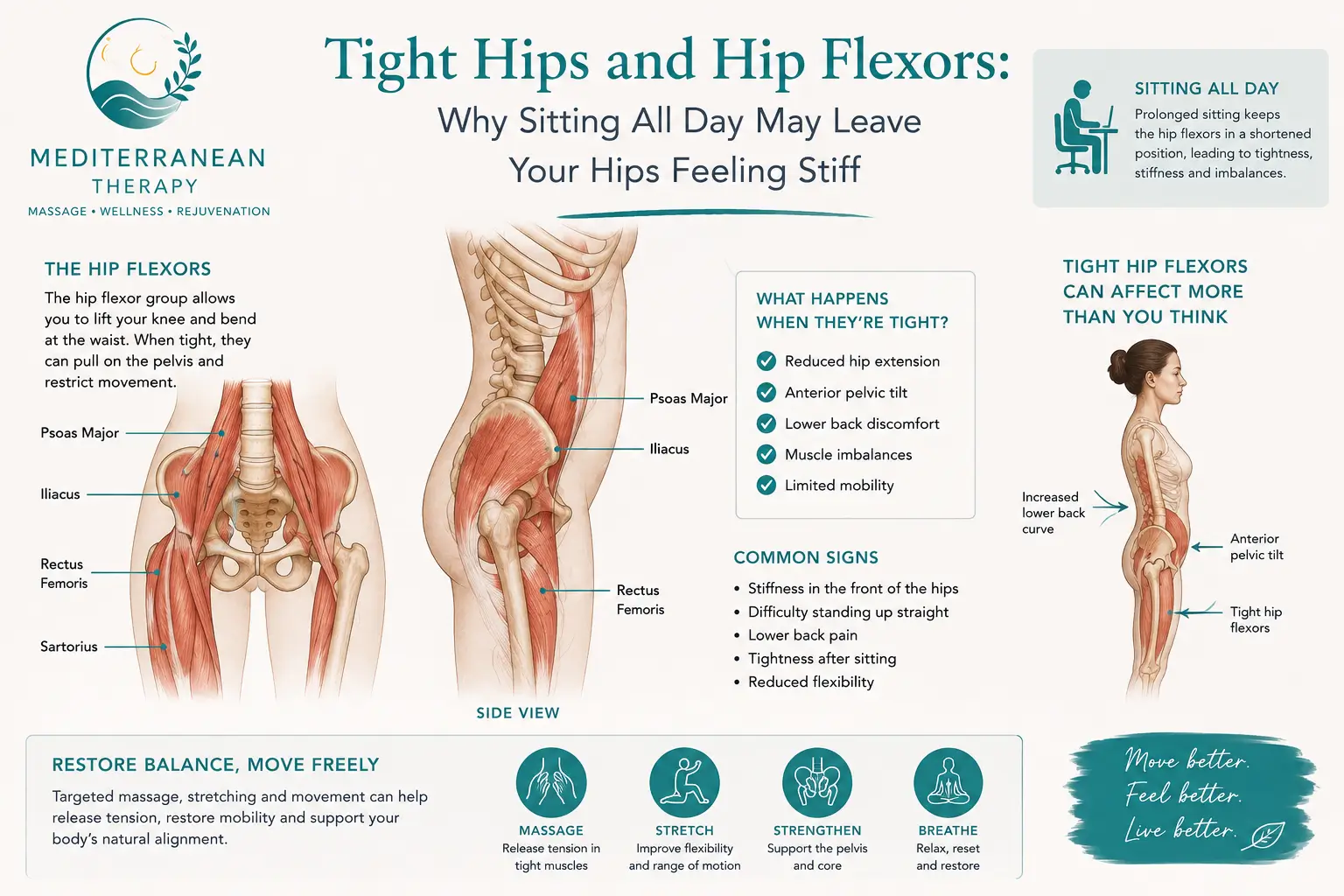
Why Sitting All Day May Leave Your Hips Feeling Stiff. You stand up after several hours at your desk and immediately notice it.

Your hips feel stiff.

Perhaps you need a few steps before you feel as though you’re moving normally again.

There may be a pulling sensation at the front of the hip, tension around the glutes or an uncomfortable feeling that seems to connect your hips and lower back.

You search online and quickly find the usual explanation:

“Your hip flexors are tight because you sit too much.”

And then comes the usual solution:

“Stretch your hip flexors.”

It sounds straightforward.

But, as is often the case with the human body, the reality is more interesting.

Feeling tight doesn’t necessarily mean that a muscle has physically become permanently shortened.

And hip stiffness doesn’t automatically mean that the hip flexors are the problem.

The hips are influenced by movement, muscles, joints, activity levels, workload and the way the lower back, pelvis and legs work together.

So let’s look at what might actually be happening.

Book your professional Massage in Bath.

What Are the Hip Flexors?

The hip flexors are a group of muscles involved in bringing your thigh towards your body the movement you make when lifting your knee towards your chest.

One of the best-known is the iliopsoas.

The iliopsoas includes the psoas major and iliacus, which join before attaching to the upper femur.

The psoas is particularly interesting because it originates from the lumbar region of the spine, while the iliacus originates from the inside of the pelvis.

Together, they play an important role in hip flexion and also contribute to stability around the hip and lumbar region.

But they don’t work alone.

Movement around the hip also involves the:

•  gluteal muscles
•  adductors
•  hamstrings
•  quadriceps
•  deeper hip rotators
•  abdominal and trunk muscles

This is why thinking of hip tightness as simply “one short muscle that needs stretching” can be an oversimplification.

Why Do My Hips Feel Tight After Sitting?

When you’re sitting, your hips remain in a flexed position.

If you stay there for a long time and then suddenly stand, it’s perfectly understandable that the first few movements may feel stiff.

Think about keeping your hand in one position for hours.

When you finally move it, it may feel temporarily stiff.

That doesn’t necessarily mean anything is damaged or permanently shortened.

The same principle can apply to the hips.

The sensation may reflect a combination of:

•  prolonged lack of movement
•  muscular fatigue
•  sensitivity
•  changes in load
•  reduced movement variety
•  general stiffness after remaining in one position

For many people, the key issue isn’t simply sitting.

It’s not moving for a long time.

Does Sitting Actually Make Your Hip Flexors Short?

This is where internet explanations can become misleading.

You’ll often see diagrams claiming that sitting causes the hip flexors to become permanently shortened and that this then pulls the pelvis forward, switches off the glutes and causes lower-back pain.

The body isn’t quite that simple.

Muscles adapt to how they’re used, but the sensation of tightness isn’t a direct measurement of muscle length.

A muscle can feel tight without actually being anatomically short.

This distinction matters because otherwise people can spend months aggressively stretching a muscle simply because it feels tight.

Sometimes stretching feels wonderful.

Sometimes movement or strengthening may be more useful.

And sometimes the sensation isn’t primarily coming from the muscle you think it is.

Tightness Is a Feeling, Not a Diagnosis

This is an important concept.

When someone tells me:

“My hips are really tight.”

I know what they mean.

But “tight hips” isn’t a medical diagnosis.

One person may mean:

“I feel stiff when I stand after working at my computer.”

Another might mean:

“I can’t comfortably cross my legs.”

Someone else means:

“I have a pulling sensation in the front of my hip when I walk.”

And another person may actually have significant joint pain.

Those situations aren’t necessarily the same.

Before assuming the hip flexors simply need to be released, it’s useful to understand what the person actually experiences.

The Hip–Glute–Lower Back Connection

The hip doesn’t function in isolation.

The pelvis sits between the spine and legs, creating an important connection between the lower body and trunk.

When you:

•  walk
•  climb stairs
•  squat
•  run
•  bend
•  stand up from a chair

multiple areas coordinate the movement.

This includes the hips, glutes, lower back and abdominal muscles.

That’s why someone who complains of “tight hips” may also report:

•  gluteal tension
•  lower-back stiffness
•  tight thighs
•  discomfort after sitting
•  difficulty getting comfortable after •  driving
•  stiffness after exercise

It doesn’t mean one muscle is necessarily causing all of these symptoms.

It means the areas are functionally connected.

What About the Glutes?

The gluteal muscles are powerful muscles involved in hip movement and stability.

They are particularly important during walking, running, climbing and standing up.

You may have heard the expression:

“Sitting switches off your glutes.”

Again, that’s an oversimplification.

Your glutes don’t literally stop functioning because you work at a desk.

However, spending large parts of the day relatively inactive means they aren’t being challenged in the same way as when you’re walking, climbing stairs or exercising.

This is another reason why movement variety and appropriate strengthening can be valuable.

The solution to every tight hip isn’t necessarily more stretching.

Can Tight Hips Affect the Lower Back?

People frequently experience hip and lower-back stiffness together.

This makes sense because of the anatomical and functional relationship between these areas.

The psoas, for example, has attachments to the lumbar spine and plays roles involving both hip movement and lumbar stability.

However, that doesn’t mean:

“Your tight psoas is causing your back pain.”

Back pain has many potential contributors and is rarely explained by one muscle alone.

What we can say is that the lower back, pelvis and hips work together, and muscular tension across these regions can sometimes coexist.

This is why a massage treatment for someone complaining of tight hips may involve looking at more than the front of the hip.

Who Commonly Experiences Tight Hips?

Desk workers

This is probably the most obvious group.

Long periods sitting at a computer can leave people feeling stiff through the hips, lower back and shoulders.

Regular movement breaks may be more useful than obsessing over achieving a perfect sitting posture.

Drivers

Long journeys can create a similar experience.

You remain in one position with relatively little opportunity to change the angle of your hips.

Many people notice stiffness when first getting out of the car.

Runners

Running repeatedly loads the muscles around the hip.

Glutes, hip flexors, hamstrings and other muscles all contribute to movement and stability.

A sudden increase in distance or training intensity can sometimes be followed by muscular soreness or tension.

Cyclists

Cycling involves repeated hip flexion and a relatively fixed riding position.

Some cyclists therefore notice stiffness around the hips or lower back, particularly after longer rides.

Gym users

Squats, lunges, deadlifts and other exercises place substantial demands on the hips.

Muscular soreness following training can be perfectly normal, although persistent or sharp pain deserves appropriate attention.

People who simply don’t move very much

You don’t need to be an athlete to experience muscular stiffness.

Modern life often involves moving between:

bed → car → desk → car → sofa.

The body generally benefits from movement variety.

Hip Flexor Pain vs Hip Flexor Tightness

These terms shouldn’t automatically be used interchangeably.

A feeling of tightness may simply be stiffness or muscular tension.

Pain can have many potential causes.

Hip pain may be associated with:

muscle or tendon irritation
bursitis
osteoarthritis
injury
joint-related problems
referred symptoms from another region
other musculoskeletal conditions.
A massage therapist shouldn’t diagnose these conditions.

If somebody describes genuine hip pain rather than ordinary muscular tightness, the first question shouldn’t automatically be:

“How deeply should I massage the psoas?”

Sometimes assessment by a GP or physiotherapist is more appropriate.

Should You Stretch Tight Hip Flexors?

Stretching can feel pleasant and may temporarily improve how mobile you feel.

But you don’t necessarily need to spend twenty minutes aggressively stretching your hip flexors every day.

Try thinking more broadly.

Instead of:

“How do I stretch this tight muscle?”

consider:

“How can I give my hips more movement variety?”

That might include:

•  getting up regularly
•  walking
•  changing sitting positions
•  gentle mobility
•  appropriate strength •  training
•  returning gradually to activity

Different people need different things.

Can Massage Help Tight Hips?

Massage may be useful for associated muscular tension, soreness and stiffness around the hips, glutes and lower back.

Depending on the individual, treatment might involve muscles around the:

•  gluteal region
•  lateral hip
•  lower back
•  thighs
•  hip flexor region
•  surrounding soft tissues

But massage isn’t about “putting the hip back into place” or permanently lengthening a supposedly shortened muscle.

A more realistic aim is to help reduce muscular tension, provide a comfortable change in sensation and support easier movement.

Deep Tissue Massage for Tight Hips

People searching for deep tissue massage in Bath often want help with persistent muscular tightness.

Deep tissue massage may be useful when somebody experiences tension around the glutes, hips or lower back.

But, as I’ve discussed in previous articles, deep tissue doesn’t simply mean maximum pressure.

The hip region contains important nerves, blood vessels and other sensitive structures.

Some deeper muscles are also not suitable for aggressive pressure.

Treatment should therefore be targeted and adapted rather than simply “digging deeper”.

Sometimes broad, slower pressure is appropriate.

Sometimes focused work around the glutes is useful.

Sometimes working on surrounding areas provides a better experience than repeatedly pressing the place that feels tight.

Frequently Asked Questions

Remaining in one position for a long time can leave the hips feeling temporarily stiff. This doesn’t necessarily mean your hip flexors have permanently shortened.

Prolonged sitting can contribute to a feeling of hip stiffness, but “tightness” is a sensation and doesn’t automatically prove that a muscle is anatomically short.

Several muscles contribute to hip flexion. The iliopsoas principally the psoas major and iliacus is particularly important.

Hip and lower-back symptoms can coexist because these regions work closely together, but it is usually too simplistic to say that one tight muscle is automatically causing back pain.

Massage may help with associated muscular tension and stiffness when appropriate. Treatment may also involve surrounding areas such as the glutes, thighs and lower back.

Deep Tissue Massage can be appropriate for muscular tension around the hips and glutes, but deeper isn’t always better. Pressure should be adapted to the individual and the area being treated.

No. Sports massage techniques may also be relevant to people experiencing muscular tension from work, prolonged sitting or everyday repetitive activity.

Not necessarily. The psoas is a deep muscle and direct work isn’t automatically required simply because your hips feel tight.

Not everyone needs the same stretching routine. Movement variety, walking, mobility and appropriate strengthening may also be useful.

Manual Lymphatic Drainage has a different purpose and isn’t used to treat tight hip flexors. If your main concern is muscular stiffness, a therapeutic or Deep Tissue Massage may be more relevant, depending on your individual circumstances.

If you’re experiencing muscular tightness around your lower back, hips or glutes and are looking for a deep tissue massage or therapeutic massage in Bath, treatment can be adapted to your individual needs rather than following a standard routine.

Mediterranean Therapy offers personalised massage treatments in central Bath, including Deep Tissue Massage, therapeutic massage and Manual Lymphatic Drainage, with each treatment selected according to the client’s goals and suitability.

If you’re unsure which massage to book, simply get in touch and explain what you’re experiencing before your appointment.

Visit Me for Your Massage in Bath

Enjoy your treatment at Mediterranean Therapy, located inside The Soul Spa a serene, centrally located wellness space in the heart of Bath:

📍 2 Hetling Court, Bath. Tel: 07378275075
👉 Click and get directions

Relax with a massage. Your expert massage therapist in Bath is ready to help you restore balance and calm, the best experience massage in Bath.

Teresa - Your Spa Therapist

Teresa - Your Spa Therapist

Massage therapist, facials and skincare with 5 star hotel experiences, an expert in a wide range of treatments.

Mediterranean Therapy
2 Hetling Court Bath - Tel: 07378275075

Massage Therapist Posts

Massage & Rejuvenation Services

  • Back, Neck & Shoulder
    Back, Neck & Shoulder

    30 mins – Click to Book!

    £ 35
  • Couple Massage
    Couple Massage

    1 hour – Click to Book!

    £ 140
  • Deep Tissue Massage
    Deep Tissue Massage

    1 hour – Click to Book!

    £ 70
  • Lymphatic Drainage Massage
    Lymphatic Drainage Massage

    1 hour – Click to Book!

    £ 70
  • Hot Stone Massage
    Hot Stone Massage

    1 hour – Click to Book!

    £ 70
  • Pregnancy Massage
    Pregnancy Massage

    1 hour – Click to Book!

    £ 70

Follow me on Social Media

Muscle Knots & Trigger Points | Deep Tissue Massage Bath

Muscle Knots & Trigger Points | Deep Tissue Massage Bath

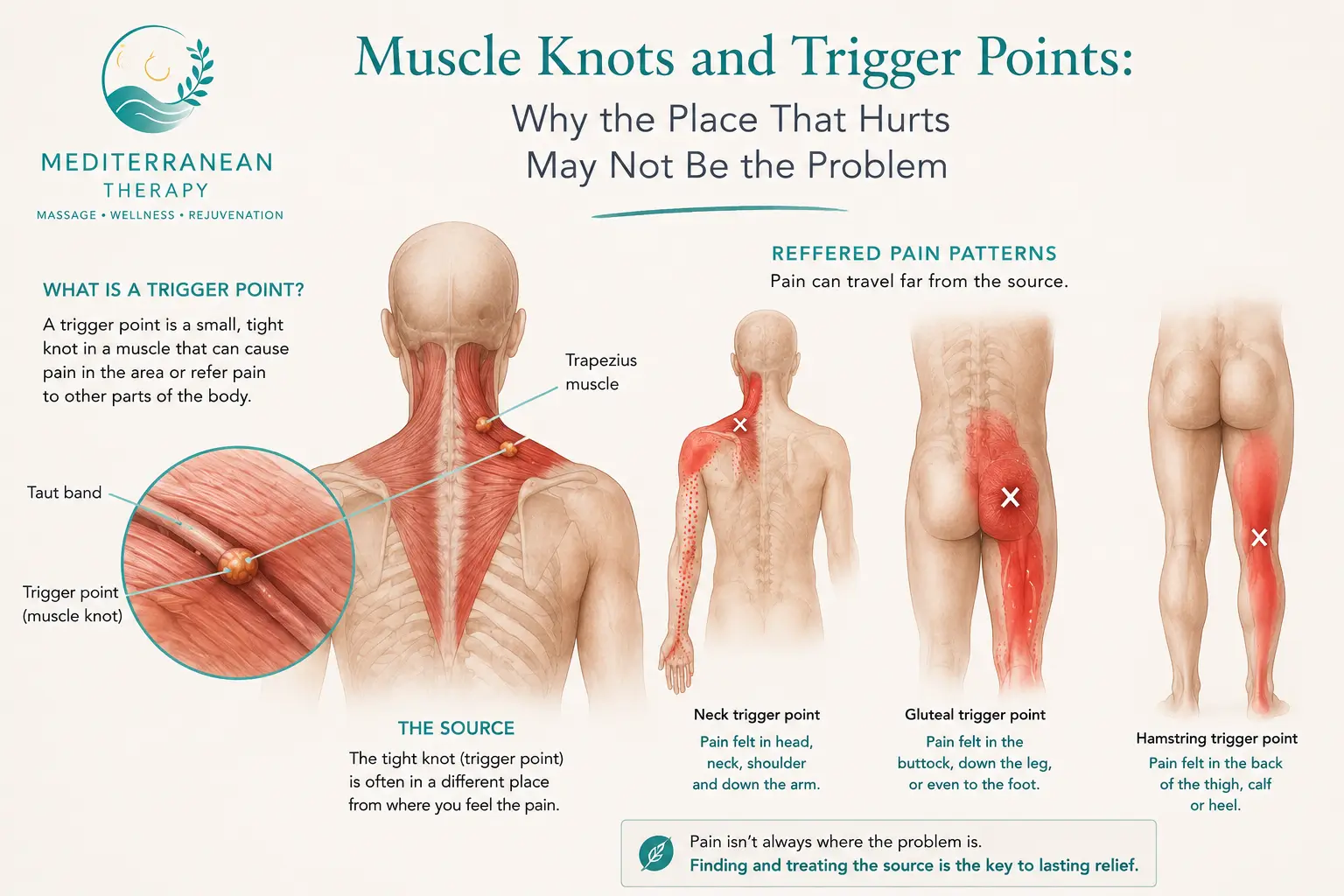
Muscle Knots and Trigger Points: Why the Place That Hurts May Not Be the Problem. You know the feeling.

There is one stubborn spot between your shoulder blades that always feels tight. You press it and think: “That’s the knot.”

Or perhaps your neck feels tense but the discomfort seems to travel into your shoulder. Maybe a particular spot in your upper back is tender when pressed yet somehow you feel the sensation somewhere else. These tender areas are often described as muscle knots.

Massage therapists may also use the term trigger point. But what exactly are they?

And perhaps more importantly:

Is the painful place always where the problem actually begins?

The answer is not necessarily.

Understanding this is one of the reasons a thoughtful massage treatment often involves looking beyond one painful spot.

Book your professional Massage in Bath.

What Is a Muscle Knot?

“Muscle knot” isn’t a precise anatomical term. People generally use it to describe a small area of muscle that feels unusually tight, hard, tender or sensitive.

You might notice one:

•  at the top of the shoulders
•  between the shoulder blades
•  around the neck
•  in the lower back
•  around the hips or glutes
•  in the calves
•  after exercise
•  after spending long periods at a desk.

Sometimes pressing the area feels satisfyingly tender.

Other times it produces discomfort somewhere completely different.

This is where the concept of trigger points becomes particularly interesting.

What Is a Trigger Point?

A myofascial trigger point is generally described as a sensitive spot within a taut area of skeletal muscle.

When pressure is applied, it may produce:

•  local tenderness
•  familiar muscular discomfort
•  pain somewhere nearby
•  or discomfort perceived in another area.

That last response is commonly referred to as referred pain.

For example, somebody may feel discomfort around the side of the head while a sensitive area of the neck is being palpated.

Or a point around the shoulder blade may reproduce sensations into the shoulder or arm.

However, the science of trigger points is more complicated than many social-media diagrams suggest.

There isn’t a tiny physical “knot” that a therapist simply crushes or removes.

Research into exactly what trigger points are, why they form and how reliably they can be identified is still developing.

So while the term is useful clinically and widely used within massage and musculoskeletal therapy, it is better to think of a trigger point as a sensitive area associated with muscular pain and altered sensitivity, rather than a literal knot tied inside the muscle.

What Is Referred Pain?

Referred pain means that discomfort is experienced somewhere other than or in addition to the area being stimulated or irritated.

This can seem strange.

Imagine your therapist works on a tender point near your shoulder blade and you suddenly say: “I can feel that in my neck.”

Nothing has physically travelled from one place to another.

Pain is an experience created by the nervous system, and the relationship between tissues, nerves, the spinal cord and the brain is complex.

Different pain mechanisms can produce symptoms away from the apparent source.

This is one reason that simply pointing to the place that hurts doesn’t always tell us the entire story.

Why the Painful Spot May Not Be the Only Area That Matters

Let’s take a common example.

Someone books a deep tissue massage in Bath because their right shoulder constantly feels tight.

They point to one exact location and say:

“Please work really deeply there. That’s where the problem is.”

It might indeed be an important area.

But there may be other relevant factors.

They might:

•  spend eight hours a day working on a laptop
•  frequently hold their phone between shoulder and ear
•  train their upper body several times per week
•  sleep predominantly on one side
•  have reduced movement through the neck or upper back
•  carry persistent muscular tension during periods of stress.

The tender point is therefore part of a much bigger picture.

Good massage therapy shouldn’t simply involve pressing harder and harder on one painful spot.

Why Do Muscle Knots Keep Coming Back?

This is one of the most common questions people ask. They have a massage. The tight area feels considerably better.

Then two weeks later: “The knot has come back.”

That doesn’t necessarily mean the massage failed.

Muscles respond to the demands placed upon them every day.

If the same loading pattern continues prolonged sitting, repetitive work, intense training, limited movement or stress-related muscle guarding it isn’t surprising if familiar areas become sensitive again.

The better question may therefore be: “What is repeatedly contributing to this area becoming uncomfortable?”

Sometimes massage is one useful part of that picture.

Movement, exercise, recovery, work setup and other lifestyle factors may also matter.

Are Trigger Points Caused by Bad Posture?

This needs a careful answer.

Posture is often blamed for practically every neck and shoulder problem.

You’ll frequently see claims such as:

“Poor posture causes knots.”

The human body is more adaptable than that.

There isn’t one perfect posture that everybody needs to maintain all day.

In reality, remaining in one position for a very long time may matter more than whether the posture looks technically perfect.

A beautifully positioned person who doesn’t move for four hours may still feel uncomfortable.

Someone sitting in a less-than-perfect position who changes posture frequently may feel perfectly fine.

For many desk workers, therefore, the practical message isn’t: “Sit perfectly straight all day.”

It’s: Move regularly.

Stress and Muscle Tension

Muscle tension isn’t only about physical activity.

Stress can change the way we hold our bodies.

Think about what happens during a difficult day.

Your shoulders may lift slightly.

Your jaw may tighten.

Your breathing may become shallower.

You may remain rigid in front of the computer without noticing.

Hours later, your neck and shoulders feel exhausted.

This is one reason massage can feel valuable even when somebody hasn’t sustained a specific injury.

The issue isn’t necessarily damaged tissue.

Sometimes the body has simply spent too much time in a heightened state of muscular tension.

Common Areas Where People Notice Muscle Knots

Neck and shoulders

Probably the area clients mention most frequently.

Long periods of screen use, repetitive arm activity, stress and everyday loading can all contribute to a feeling of neck and shoulder tightness.

Some sensitive muscular areas may also be associated with headaches or discomfort around the head.

Between the shoulder blades

People often describe a stubborn spot that they desperately want someone to “dig into”.

This area can certainly feel extremely satisfying to massage.

However, repeatedly attacking one point isn’t necessarily the most useful approach.

The neck, shoulders, upper back and movement of the shoulder blades may all be worth considering.

Lower back

The lower back contains multiple layers of muscles that work continuously during standing, bending and movement.

Tender or tight areas are common, particularly after unfamiliar activity.

Persistent or radiating lower-back pain, however, deserves appropriate assessment rather than automatically being labelled a muscle knot.

Glutes and hips

The gluteal muscles and deeper hip muscles can develop sensitive areas, particularly in people who run, train, sit for long periods or perform repetitive activity.

This connects closely with another topic we recently explored: piriformis-related pain and sciatica-like symptoms.

Not every painful glute is simply a trigger point — and pain travelling down the leg should not automatically be blamed on a tight muscle.

Trigger Points vs Sciatica or Nerve Pain

This distinction is particularly important.

Muscular pain may feel:

•  achy
•  tender
•  tight
•  sore
•  restricted

Nerve-related symptoms may be described as:

•  burning
•  electrical
•  shooting
•  tingling
•  numb
•  travelling

There can be overlap, so symptoms alone cannot provide a diagnosis.

If discomfort travels significantly down an arm or leg, particularly if you experience numbness or weakness, don’t assume somebody simply needs to “release the knot”.

Those symptoms may warrant assessment by a GP, physiotherapist or another appropriate healthcare professional.


Can Massage Help Muscle Knots and Trigger Points?

Massage may help reduce muscular tension, soreness and sensitivity for some people.

Different approaches can be used depending on the person and the area involved.

These might include:

•  slower focused massage
•  sustained pressure
•  compression
•  soft tissue techniques
•  movement
•  stretching techniques
•  trigger point techniques
•  broader work around associated muscles

The treatment shouldn’t simply become a contest to see how much pressure the client can tolerate.

Sometimes a very sensitive area responds better to slower, more measured work.

Does Trigger Point Massage Need to Hurt?

No.

There is a persistent myth around massage:

“If it doesn’t hurt, it isn’t working.”

That’s not a good principle.

Focused work can certainly feel intense.

A client might describe the sensation as:

“good pain”

or

“that’s exactly the spot.”

But sharp, burning, electrical or unbearable pain isn’t something a therapist should simply push through.

Pressure should always be adapted.

Good communication between therapist and client matters more than achieving maximum intensity.

Deep Tissue Massage and Muscle Knots

People searching for a deep tissue massage in Bath often have a very specific expectation:

They want somebody to “really get into the knots”.

Deep tissue massage can certainly involve focused work on areas of muscular tension.

But deep tissue doesn’t simply mean hard massage.

A skilled treatment can use slower techniques and targeted pressure to work with deeper muscular layers while constantly responding to how the tissue and client react.

Sometimes forearms or elbows may be appropriate.

Sometimes fingertips or broad pressure work better.

Sometimes the surrounding muscles need more attention than the point the client initially identified.

The technique should serve the body not the other way around.

What About Sports Massage?

Another common misconception is that sports massage is only for athletes.

It isn’t.

The principles associated with sports and soft-tissue massage can be relevant to anyone experiencing muscular tightness from repetitive activity.

Your “sport” might be:

•  running
•  weight training
•  cycling
•  gardening
•  carrying children
•  working physically
•  or sitting at a computer all week.

Sports massage tends to be more targeted than a general relaxation treatment and may incorporate techniques aimed at particular muscles or movement-related areas.

Trigger point work can form part of that treatment when appropriate.

Frequently Asked Questions

“Muscle knot” is an informal term rather than a precise anatomical diagnosis. People usually use it to describe a tender or tight area of muscle. Such sensitive areas are real, although exactly what produces the sensation can vary.

The terms are often used interchangeably, although “trigger point” has a more specific meaning within myofascial pain terminology.

Sensitive muscular areas described as trigger points can be associated with pain perceived beyond the point being pressed. This is commonly described as referred pain.

Massage may reduce tenderness and muscular tension, but it is misleading to think of a knot as a physical object that can simply be broken up or removed.

Deep tissue massage can be useful for focused muscular tension, but the right amount of pressure varies between individuals. More pressure isn’t automatically more effective.

It may feel tender or intense, but treatment should remain tolerable. Sharp, burning or electrical pain is not something to simply push through.

Sports massage can incorporate focused soft tissue and trigger point techniques and may be useful for muscular tension related to training or everyday repetitive activity.

No. People with physically demanding jobs, desk-related muscle tension or general muscular tightness may also benefit from a targeted approach.

There may be ongoing factors such as repeated loading, work habits, exercise, stress or limited movement variety. Massage may provide relief, but sometimes it is useful to look at the wider pattern.

Symptoms involving significant numbness, weakness, persistent radiating pain, trauma or unexplained worsening discomfort should be appropriately assessed rather than automatically assumed to be a trigger point.

If you’re experiencing muscular tightness around your lower back, hips or glutes and are looking for a deep tissue massage or therapeutic massage in Bath, treatment can be adapted to your individual needs rather than following a standard routine.

Mediterranean Therapy offers personalised massage treatments in central Bath, including Deep Tissue Massage, therapeutic massage and Manual Lymphatic Drainage, with each treatment selected according to the client’s goals and suitability.

If you’re unsure which massage to book, simply get in touch and explain what you’re experiencing before your appointment.

Visit Me for Your Massage in Bath

Enjoy your treatment at Mediterranean Therapy, located inside The Soul Spa a serene, centrally located wellness space in the heart of Bath:

📍 2 Hetling Court, Bath. Tel: 07378275075
👉 Click and get directions

Relax with a massage. Your expert massage therapist in Bath is ready to help you restore balance and calm, the best experience massage in Bath.

Teresa - Your Spa Therapist

Teresa - Your Spa Therapist

Massage therapist, facials and skincare with 5 star hotel experiences, an expert in a wide range of treatments.

Mediterranean Therapy
2 Hetling Court Bath - Tel: 07378275075

Massage Therapist Posts

Massage & Rejuvenation Services

  • Back, Neck & Shoulder
    Back, Neck & Shoulder

    30 mins – Click to Book!

    £ 35
  • Couple Massage
    Couple Massage

    1 hour – Click to Book!

    £ 140
  • Deep Tissue Massage
    Deep Tissue Massage

    1 hour – Click to Book!

    £ 70
  • Lymphatic Drainage Massage
    Lymphatic Drainage Massage

    1 hour – Click to Book!

    £ 70
  • Hot Stone Massage
    Hot Stone Massage

    1 hour – Click to Book!

    £ 70
  • Pregnancy Massage
    Pregnancy Massage

    1 hour – Click to Book!

    £ 70

Follow me on Social Media

Piriformis Syndrome or Sciatica? Why Buttock Pain Can Travel Down the Leg

Piriformis Syndrome or Sciatica? Why Buttock Pain Can Travel Down the Leg

A deep ache in one buttock. A pulling sensation through the hip. Burning, tingling or discomfort that seems to travel down the back of the leg.

Many people experiencing these symptoms immediately think: “Is this sciatica?”

Sometimes it may be. But pain around the buttock, hip and leg can have different causes, and one area that often attracts attention is a small, deep muscle called the piriformis.

Sciatica and piriformis-related pain can feel surprisingly similar. This is one reason why simply massaging the exact spot that hurts isn’t always the best way to understand what your body is experiencing.

The lower back, pelvis, hips, gluteal muscles and legs work together. Tension or irritation in one area can sometimes be felt somewhere else.

Understanding these connections can help explain why a thoughtful massage treatment may involve much more than the painful area itself.

Book your professional Massage in Bath.

What Exactly Is Sciatica?

Sciatica isn’t simply another name for lower back pain.

The term describes symptoms associated with irritation or compression involving the sciatic nerve or the nerve roots that form it.

The sciatic nerve is the largest nerve in the body. It originates from nerve roots in the lower spine and travels through the pelvic and buttock region before continuing down the leg.

Typical symptoms can include:

•  pain beginning around the lower back or buttock and travelling down one leg
•  burning or shooting pain
•  pins and needles or tingling
•  numbness
•  occasionally weakness in the affected leg or foot.

For some people the discomfort is relatively mild. For others it can make sitting, walking, driving or sleeping uncomfortable.

Importantly, true sciatica frequently has its origin around the lumbar spine, rather than in the muscles of the buttock themselves.

That distinction matters.

So What Is the Piriformis?

The piriformis is a relatively small muscle located deep within the buttock.

It connects the sacral region to the upper part of the femur and contributes to movement and stability around the hip.

Although it is small, its location makes it particularly interesting.

The sciatic nerve normally passes very close to the piriformis, and anatomical relationships between the muscle and nerve vary between individuals.

When structures within this deep gluteal region become irritated, symptoms may sometimes resemble sciatica.

This is where the term piriformis syndrome is often used.

Piriformis Syndrome vs Sciatica: What’s the Difference?

This is the difficult part because the symptoms can overlap.

Piriformis syndrome is generally used to describe symptoms thought to result from irritation or compression of the sciatic nerve around the piriformis/deep gluteal region.

Someone may experience:

•  deep buttock pain
•  tenderness around the gluteal area
•  discomfort when sitting for long periods
•  hip discomfort
•  pain that sometimes travels into the back of the thigh or further down the leg.

Sciatica arising from the lumbar spine can also produce buttock and leg pain.

From the person’s perspective, therefore, both can simply feel like:

“I have pain in my bum and it goes down my leg.”

This is exactly why self-diagnosing piriformis syndrome from symptoms alone can be misleading.

The piriformis may be involved but it isn’t automatically the cause.

Why the Place That Hurts Isn’t Always the Source

One of the most useful concepts in musculoskeletal therapy is that the location of pain doesn’t always tell us where the problem started.

Imagine someone arriving for a massage saying:

“It hurts here.”

They point to the middle of their right buttock.

It would be easy to assume that the solution is simply to apply deep pressure directly to that spot.

But the body doesn’t always work that way.

A therapist may need to consider the surrounding areas too:

Lower back → pelvis → glutes → piriformis → hip → hamstrings → leg

Muscles and joints don’t function independently. They influence one another through movement, posture, loading and compensation.

This broader way of looking at muscular pain is particularly relevant when someone experiences recurring tightness rather than a straightforward post-exercise ache.

Why Might the Piriformis and Glutes Become Tight?

There isn’t one universal explanation.

Different lifestyles place different demands on the hips and gluteal muscles.

Sitting for long periods

Long periods at a desk, driving or travelling can leave the hips feeling stiff and the gluteal area uncomfortable.

Some people particularly notice deep buttock pain after getting out of a chair or car.

Running and sport

Running, cycling, hiking and sports involving repeated hip movement place significant demands on the gluteal muscles and hip stabilisers.

This doesn’t mean exercise is harmful quite the opposite but increased training loads or changes in activity can sometimes be accompanied by muscular tension.

Repetitive physical work

Jobs involving standing, bending, lifting or repeated movement can create their own patterns of muscular fatigue.

Changes in movement

An uncomfortable knee, ankle or lower back may subtly change the way someone walks or moves.

Over time, another part of the body may begin doing more work.

Again, this illustrates why treating only the painful point may miss part of the picture.

Can Tight Glutes Cause Pain Down the Leg?

Muscular tension in the gluteal region can certainly contribute to discomfort around the buttock and hip.

However, pain travelling down the leg particularly when accompanied by numbness, tingling or weakness shouldn’t automatically be blamed on a tight muscle.

Nerves behave differently from muscles.

A tight muscle may feel achy, tender or restricted. Neural symptoms may feel burning, electric, shooting, numb or tingly.

There can also be overlap.

For a massage therapist, recognising that distinction is important because aggressive deep tissue work isn’t necessarily appropriate simply because somebody asks for a “really deep massage”.

Sometimes less pressure and more careful assessment are the better choices.

Can Massage Help Sciatica or Piriformis-Related Pain?

Massage cannot correct every underlying cause of sciatica, and a massage therapist should not claim to diagnose or cure a neurological condition.

However, massage may be helpful for associated muscular tension, stiffness and discomfort, depending on what is contributing to the person’s symptoms.

For example, treatment might focus on tension involving the:

•  gluteal muscles
•  deep external hip rotators
•  lower back muscles
•  hip area
•  hamstrings
•  surrounding soft tissues

The aim isn’t simply to “push on the sciatic nerve”.

In fact, directly and aggressively pressing onto an irritated nerve would not be appropriate.

Instead, massage may be used to help reduce surrounding muscular tension and encourage more comfortable movement.

Deep Tissue Massage for Buttock, Hip and Lower Back Tension

People searching online for deep tissue massage in Bath often assume that deep tissue means the therapist simply presses harder.

Good deep tissue work should be more considered than that.

Pressure should be adapted according to the tissue, the individual and the symptoms present.

When treating persistent gluteal or hip tension, a session may include slower, focused techniques directed towards relevant muscle groups rather than using maximum pressure everywhere.

This is particularly important around sensitive areas such as the deep gluteal region.

Effective doesn’t necessarily mean painful.

What About Sports Massage?

You don’t need to be an athlete to benefit from principles commonly associated with sports massage.

Sports and therapeutic massage approaches often consider movement patterns, muscular loading, areas of restriction and how different tissues may be interacting.

This can be useful for runners, cyclists and gym users — but equally for somebody who spends eight hours sitting at a computer or driving.

A person may come in complaining of one painful glute, yet the treatment may also involve the lower back, hips or legs depending on what is found.

The goal is to treat the person rather than chase a single painful point.

Trigger Points and Referred Pain

Another concept worth understanding is referred pain.

A sensitive area within a muscle can sometimes produce discomfort that is perceived somewhere else.

This means that the point where you feel pain isn’t necessarily the only place worth considering.

Trigger point techniques are sometimes incorporated within deep tissue or therapeutic massage when appropriate.

This subject deserves an article of its own because referred pain patterns can be fascinating and frequently confusing for people experiencing persistent muscular discomfort.

Why Assessment Matters Before Deep Massage

If you book a massage because of persistent buttock or leg pain, tell your therapist as much as possible.

Useful information includes:

•  where the discomfort begins
•  where it travels
•  whether you experience tingling or numbness
•  what movements make it worse
•  whether sitting aggravates it
•  how long you’ve had it
•  whether you’ve already seen your GP, physiotherapist or another healthcare professional
•  any previous diagnosis or scans

These details help determine whether massage appears appropriate and how the treatment should be adapted.

Sometimes the most professional decision a massage therapist can make is not to treat an area aggressively and instead recommend medical or physiotherapy assessment.

When Buttock or Leg Pain Needs Medical Attention

Most muscular aches aren’t emergencies, but symptoms involving nerves deserve appropriate attention.

Seek medical advice if pain is persistent, severe, worsening or accompanied by significant numbness or weakness.

Urgent medical assessment is particularly important if you develop symptoms such as numbness around the genitals or bottom, difficulty controlling your bladder or bowels, or severe/progressive weakness affecting both legs.

These aren’t symptoms to manage with massage.

If you’re uncertain whether massage is appropriate, speak with your GP or another suitably qualified healthcare professional first.

What Can You Do Between Treatments?

If your symptoms have already been assessed and you’ve been advised that normal movement is appropriate, a few simple habits may help with general muscular stiffness.

Change position regularly

If you spend much of your day sitting, avoid remaining in exactly the same position for hours.

Short, regular movement breaks can often feel better than one long stretch at the end of the day.

Keep moving comfortably

Gentle walking and normal daily movement may be useful when comfortable.

Complete inactivity isn’t necessarily helpful for ordinary muscular stiffness.

Be careful with aggressive self-massage

Social media is full of videos showing people digging tennis balls, massage guns and foam rollers deeply into the buttock to “release the sciatic nerve”.

More pressure isn’t automatically better.

If something produces sharp, burning, electrical or increasing radiating pain, stop.

Notice patterns

Ask yourself:

•  Does sitting trigger it?

•  Does walking improve it?

•  Did it begin after increasing exercise?

•  Is it worse after driving?

•  Does the discomfort remain in the buttock or travel below the knee?

These observations can be useful information when discussing your symptoms with a healthcare professional or therapist.

A More Thoughtful Approach to Massage

One of the most interesting things about studying the body is discovering how rarely muscles work in isolation.

A painful glute isn’t necessarily simply a “tight glute”.

A painful leg isn’t necessarily a leg problem.

And symptoms that someone calls sciatica aren’t automatically caused by the piriformis.

At Mediterranean Therapy in Bath, my approach to therapeutic and deep tissue massage is therefore not simply to apply heavy pressure wherever a client reports pain.

I look at the broader pattern of muscular tension and adapt the treatment to the individual.

For someone experiencing muscular tightness around the lower back, hips and glutes, that might mean working across several connected areas rather than spending an entire treatment pressing one painful spot.

And when symptoms suggest something outside the appropriate scope of massage therapy, I will recommend seeking assessment from a GP, physiotherapist or another suitable healthcare professional.

Frequently Asked Questions

No. Sciatica describes symptoms involving irritation of the sciatic nerve or its nerve roots and frequently originates around the lumbar spine. Piriformis syndrome refers to symptoms associated with irritation of the sciatic nerve around the piriformis/deep gluteal region. Their symptoms can overlap, which is why professional assessment may be necessary.

There are several possible reasons. Pain may involve nerve irritation, the lumbar spine, deep gluteal structures or referred muscular pain. The location of pain alone cannot reliably identify the cause.


Irritation around the piriformis and other deep gluteal structures can produce symptoms that resemble sciatica in some people. However, many cases of sciatica originate from the lower back, so it’s important not to assume that the piriformis is responsible.

It depends on the cause and symptoms. Deep tissue massage may help associated muscular tension for some people, but it doesn’t treat every cause of sciatica. Aggressive pressure around an irritated nerve may be inappropriate.

Massage may help reduce muscular tension and discomfort around the gluteal and hip region when massage is appropriate. Treatment doesn’t necessarily need to be extremely deep to be effective.

The aim isn’t to aggressively compress an irritated nerve. A thoughtful treatment may instead address relevant surrounding muscles and soft tissues while adapting pressure to the person’s symptoms.

That depends less on the label and more on your individual needs. Both approaches can include focused work for muscular tension. Explain your symptoms when booking so the treatment can be appropriately adapted.

Tell your therapist before treatment. New, persistent or worsening neurological symptoms should be appropriately assessed, particularly when accompanied by weakness or changes in bladder/bowel function.

If you’re experiencing muscular tightness around your lower back, hips or glutes and are looking for a deep tissue massage or therapeutic massage in Bath, treatment can be adapted to your individual needs rather than following a standard routine.

Mediterranean Therapy offers personalised massage treatments in central Bath, including Deep Tissue Massage, therapeutic massage and Manual Lymphatic Drainage, with each treatment selected according to the client’s goals and suitability.

If you’re unsure which massage to book, simply get in touch and explain what you’re experiencing before your appointment.

Visit Me for Your Massage in Bath

Enjoy your treatment at Mediterranean Therapy, located inside The Soul Spa a serene, centrally located wellness space in the heart of Bath:

📍 2 Hetling Court, Bath. Tel: 07378275075
👉 Click and get directions

Relax with a massage. Your expert massage therapist in Bath is ready to help you restore balance and calm, the best experience massage in Bath.

Teresa - Your Spa Therapist

Teresa - Your Spa Therapist

Massage therapist, facials and skincare with 5 star hotel experiences, an expert in a wide range of treatments.

Mediterranean Therapy
2 Hetling Court Bath - Tel: 07378275075

Massage Therapist Posts

Massage & Rejuvenation Services

  • Back, Neck & Shoulder
    Back, Neck & Shoulder

    30 mins – Click to Book!

    £ 35
  • Couple Massage
    Couple Massage

    1 hour – Click to Book!

    £ 140
  • Deep Tissue Massage
    Deep Tissue Massage

    1 hour – Click to Book!

    £ 70
  • Lymphatic Drainage Massage
    Lymphatic Drainage Massage

    1 hour – Click to Book!

    £ 70
  • Hot Stone Massage
    Hot Stone Massage

    1 hour – Click to Book!

    £ 70
  • Pregnancy Massage
    Pregnancy Massage

    1 hour – Click to Book!

    £ 70

Follow me on Social Media

Understanding the Link Between Jaw Tension, Neck Pain and Headaches

Understanding the Link Between Jaw Tension, Neck Pain and Headaches

Why Does My Jaw Feel Tight?  If you’ve ever finished a busy day feeling as though your jaw is sore, your neck is stiff or your shoulders seem permanently tense, you’re far from alone.

For many people, jaw tension develops so gradually that it becomes part of everyday life. They wake with tightness around the temples, notice discomfort while chewing or realise that they have been clenching their teeth for hours without being aware of it. What often surprises them is that the problem rarely begins and ends with the jaw itself.

The muscles responsible for chewing are closely connected to those of the neck, shoulders and upper back. They work together every day to support posture, movement and normal activities such as speaking, swallowing and eating. When one part of this system remains under constant strain, other muscles frequently adapt in an attempt to compensate.

This is why jaw tension is often accompanied by neck stiffness, tension-type headaches or aching shoulders.

As a massage therapist, one of the most common patterns I see is not simply tight muscles, but the way different areas of the body influence one another. Clients often arrive believing their discomfort comes from one isolated area. During assessment, it becomes clear that everyday habits, posture, prolonged desk work or stress may all be contributing to a wider pattern of muscular tension.

Recognising these patterns is important because lasting improvement rarely comes from focusing on one painful spot alone. Instead, it begins with understanding how your body is responding to the demands of daily life.

Book your professional Massage in Bath.

What Causes Jaw Tension?

Jaw tension is usually the result of several factors rather than one single cause.

Modern lifestyles place increasing demands on the muscles of the face, neck and shoulders. Hours spent working at a computer, using smartphones, driving, coping with work-related pressure or simply concentrating intensely can all encourage unconscious muscle contraction.

One of the most common contributors is bruxism, the medical term used to describe teeth grinding or jaw clenching. According to the NHS, many people grind or clench their teeth without realising it, particularly during sleep or periods of stress. In some individuals, this may contribute to jaw discomfort, tooth wear, headaches and facial muscle fatigue. Read also Temporomandibular disorder (TMD).

Other common contributing factors include:

•  Prolonged desk-based work.
•  Forward head posture.
•  Emotional stress.
•  Teeth clenching during concentration.
•  Night-time grinding.
•  Repetitive chewing, including chewing gum.
•  Long dental procedures requiring the mouth to remain open.
•  Previous muscular overload involving the neck and shoulders.

Importantly, these habits are not always harmful on their own. The issue often lies in their frequency and duration. Small amounts of muscular tension repeated every day can gradually become persistent, leading people to feel that their jaw is “always tight” without remembering when the problem first began.

The Hidden Role of Stress

Stress affects far more than our thoughts.

When the brain perceives pressure, the nervous system prepares the body for action. Heart rate may increase, breathing often becomes shallower and muscles naturally become more active. For some people this tension is most noticeable in the shoulders. For others, it appears around the jaw.

Many individuals are completely unaware that they are clenching their teeth while replying to emails, concentrating on detailed work or dealing with emotionally demanding situations. Unlike chewing, which involves periods of contraction followed by relaxation, clenching can keep the jaw muscles working continuously for prolonged periods.

Over weeks or months this repeated muscle activity may contribute to tenderness, fatigue and a persistent feeling of tightness.

Learning to notice these unconscious habits is often one of the simplest yet most valuable steps towards reducing unnecessary muscular strain.

In the next section, we’ll explore why the jaw, neck and shoulders function as one interconnected system and how understanding this relationship can help explain symptoms that often seem unrelated at first glance.

Why the Jaw Is Only Part of the Story

One of the most valuable things to understand about jaw tension is that it rarely exists in isolation.

The human body is designed to work as an integrated system. Every movement you make whether turning your head, lifting your arm or simply looking at a screen involves the coordinated activity of multiple muscles rather than one muscle working alone.

This is particularly true in the head, neck and shoulder region.

The muscles responsible for chewing, stabilising the jaw and supporting the head share close functional relationships with the muscles that control posture through the neck and upper back. When one area becomes overloaded, nearby muscles often change the way they work in an attempt to maintain normal movement.

This doesn’t necessarily mean that something is “wrong” with the body. More often, it reflects the body’s remarkable ability to adapt.

The difficulty arises when those adaptations continue for weeks or months without the muscles being given an opportunity to recover.

Why Do Headaches Often Accompany Jaw Tension?

Many people are surprised to discover that muscular tension around the jaw can sometimes be associated with headaches.

The reason is not that the jaw itself causes every headache, but that several muscles involved in chewing and supporting the head can refer discomfort to nearby areas.

For example, muscles around the temples, the side of the face and the upper neck may all become sensitive when they remain under prolonged tension.

People often describe this as:

•  a dull ache across the temples;
•  pressure around the sides of the head;
•  aching behind the ears;
•  tightness at the base of the skull;
•  discomfort that seems to spread into the neck and shoulders.

These symptoms can resemble tension-type headaches, although headaches have many possible causes. For this reason, persistent, severe or unusual headaches should always be assessed by an appropriate healthcare professional.

Understanding the difference between muscular tension and medical conditions is an important part of safe, evidence-informed massage therapy.

Looking Beyond the Area That Hurts

One of the biggest misconceptions about muscular discomfort is believing that treatment should always focus on the place where pain is felt.

In reality, experienced massage therapists often begin by asking a different question:

“What is contributing to this pattern?”

Someone with jaw tension may also spend eight hours a day at a laptop.

Another person may sleep poorly and wake with clenched teeth.

Someone else may have recently experienced a particularly stressful period at work.

Although their symptoms appear similar, the contributing factors are very different.

This is why a thorough assessment matters.

At Mediterranean Therapy in Bath, treatment is never based solely on the location of discomfort. Instead, the assessment considers posture, daily activities, movement patterns and lifestyle factors that may influence muscular tension.

This individual approach helps ensure that treatment is tailored to the person rather than the symptom.

How Massage Therapy May Support Muscular Wellbeing

Massage therapy cannot prevent every episode of muscular tension, nor is it a substitute for medical care where this is needed.

However, when an assessment suggests that symptoms are primarily muscular, massage may help in several ways.

Depending on your individual presentation, treatment may aim to:

•  reduce excessive muscle tension;
•  encourage relaxation;
•  improve comfort during movement;
•  increase awareness of habitual muscle clenching;
•  support recovery from everyday physical demands.

For some clients, Deep Tissue Massage may be appropriate where persistent muscular tightness affects the neck and upper shoulders.

For others, a gentler approach focused on relaxation may be more beneficial.

There is no single technique that suits everyone, which is why personalised assessment remains central to professional massage therapy.

Rather than asking, “What is the strongest massage?”, a more useful question is, “What approach is most appropriate for my needs today?”

That shift in perspective often leads to better long-term outcomes and a more positive treatment experience.

A Whole-Person Approach

Muscular tension is influenced by far more than muscles alone.

Sleep quality, stress levels, physical activity, workstation set-up, hydration and even breathing habits can all affect how your body feels from one day to the next.

For this reason, effective care is rarely about one appointment or one technique.

Instead, it is about understanding the bigger picture and helping you make informed choices that support your health over time.

Massage therapy forms one part of that picture. Combined with healthy daily habits and appropriate medical advice when required, it can become a valuable component of an overall wellbeing plan.

Practical Steps You Can Start Today

One of the most encouraging aspects of muscular jaw tension is that small, consistent changes can often make a meaningful difference over time. While there is no single solution that works for everyone, developing greater awareness of your daily habits is an excellent place to start.

Check in with your jaw throughout the day

Many people are unaware that they are clenching their teeth until someone points it out or they begin paying attention themselves. A simple reminder on your phone or computer can help you pause for a moment and ask yourself:

“Are my teeth touching unnecessarily?”

When your jaw is at rest, your lips may be closed, but your upper and lower teeth do not usually need to be in contact.

Review your workstation

If you spend several hours a day at a desk, small ergonomic adjustments can reduce unnecessary strain on the muscles supporting your head and neck.

Simple changes such as raising your screen to eye level, keeping your shoulders relaxed and taking regular movement breaks may help reduce prolonged muscle loading.

Make movement part of your routine

The human body is designed to move.

Whether it is a short walk, gentle stretching, yoga or mobility exercises, regular movement encourages muscles to work through their natural range rather than remaining in one fixed position for hours at a time.

Don’t overlook sleep

If you regularly wake with jaw tightness, headaches or sore facial muscles, it may be worth discussing possible night-time clenching or grinding with your dentist.

Good sleep quality is an important part of muscular recovery and overall wellbeing.

Why Personalised Assessment Matters

Two people may both describe having a “tight jaw”, yet the reasons behind their symptoms can be completely different.

One person may spend long hours working at a laptop.

Another may be recovering from a particularly stressful period.

Someone else may have developed muscle fatigue after extensive dental treatment.

This is why a personalised assessment is so important.

At Mediterranean Therapy in Bath, every treatment begins with understanding your individual circumstances rather than focusing solely on where discomfort is felt. Your lifestyle, work, movement patterns and treatment goals all help shape the most appropriate approach.

Where muscular tension is the primary contributor, treatment may include techniques from Massage Therapy, Deep Tissue Massage or, when appropriate for the individual assessment, Manual Lymphatic Drainage (Vodder Method). Each technique has a different purpose, and the choice is always guided by your needs rather than a one-size-fits-all approach.

Looking After Your Muscles in the Long Term

Many people search online hoping to find a single exercise, one stretch or one treatment that will permanently eliminate jaw tension.

In reality, lasting change is usually built on a combination of factors.

Becoming more aware of how you hold tension, maintaining regular movement, managing stress in ways that suit your lifestyle and seeking professional advice when appropriate all contribute to supporting healthier muscle function.

The goal is not perfection. It is helping your body cope more comfortably with the demands of everyday life.

Supporting Your Wellbeing, One Step at a Time

Living with ongoing jaw, neck or shoulder tension can be frustrating, particularly when the symptoms develop so gradually that they become part of everyday life.

Understanding why these patterns occur is often the first step towards managing them more effectively.

If you are looking for Massage Therapy in Bath, Mediterranean Therapy offers personalised treatments designed around your individual needs. Following a thorough assessment, your treatment may include techniques such as Deep Tissue Massage or Manual Lymphatic Drainage (Vodder Method) where appropriate, always with the aim of supporting muscular comfort, relaxation and overall wellbeing.

Whether you are experiencing work-related muscle tension, postural discomfort or simply want to invest in your long-term wellbeing, the right approach begins with understanding your body not just treating one painful area.

Frequently Asked Questions

Stress is only one possible factor. Jaw tension may also be influenced by posture, prolonged desk work, teeth grinding, muscle overuse or habits that develop gradually over time. A professional assessment can help identify the factors most relevant to you.

When symptoms are primarily muscular, Massage Therapy may help reduce muscle tightness, encourage relaxation and improve overall comfort. It is not a replacement for medical diagnosis or treatment where these are required.

Not necessarily. Some people benefit from Deep Tissue Massage, while others achieve better results with gentler techniques. The most appropriate treatment depends on your assessment, symptoms and personal preferences.

These treatments have different aims. Deep Tissue Massage focuses on deeper muscular structures where appropriate, whereas Manual Lymphatic Drainage (Vodder Method) uses light, rhythmical movements designed to support lymphatic flow in suitable clinical situations. They are not interchangeable treatments.

If you experience severe pain, jaw locking, swelling, trauma, changes in the way your teeth meet, persistent numbness or symptoms that continue to worsen, seek advice from your GP, dentist or another appropriately qualified healthcare professional.

Visit Me for Your Massage in Bath

Enjoy your treatment at Mediterranean Therapy, located inside The Soul Spa a serene, centrally located wellness space in the heart of Bath:

📍 2 Hetling Court, Bath. Tel: 07378275075
👉 Click and get directions

Relax with a massage. Your expert massage therapist in Bath is ready to help you restore balance and calm, the best experience massage in Bath.

Teresa - Your Spa Therapist

Teresa - Your Spa Therapist

Massage therapist, facials and skincare with 5 star hotel experiences, an expert in a wide range of treatments.

Mediterranean Therapy
2 Hetling Court Bath - Tel: 07378275075

Massage Therapist Posts

Massage & Rejuvenation Services

  • Back, Neck & Shoulder
    Back, Neck & Shoulder

    30 mins – Click to Book!

    £ 35
  • Couple Massage
    Couple Massage

    1 hour – Click to Book!

    £ 140
  • Deep Tissue Massage
    Deep Tissue Massage

    1 hour – Click to Book!

    £ 70
  • Lymphatic Drainage Massage
    Lymphatic Drainage Massage

    1 hour – Click to Book!

    £ 70
  • Hot Stone Massage
    Hot Stone Massage

    1 hour – Click to Book!

    £ 70
  • Pregnancy Massage
    Pregnancy Massage

    1 hour – Click to Book!

    £ 70

Follow me on Social Media