Why Am I Sore After a Massage? | Massage Therapy Bath

Why Do I Feel Sore After a Massage? What Is Normal and When to Seek Advice. Quick answer: Mild tenderness after a massage can happen, particularly after focused or unfamiliar pressure. It should usually feel manageable and begin to ease within a day or two. Severe, sharp or worsening pain, marked swelling or bruising, numbness, weakness or feeling unwell is not something to dismiss as normal massage soreness.

You leave your massage feeling looser and more relaxed. Later that evening, or the following morning, an area feels tender – almost as though you have exercised. It is understandable to wonder whether this is normal and whether the treatment was too strong.

Some people experience short-lived soreness after massage, while others feel none at all. Neither response proves how effective the treatment was. At Mediterranean Therapy in Bath, pressure and technique are adapted to the individual, because a useful treatment should never be measured by how sore you feel afterwards.

Book your professional Massage in Bath.

Why can you feel sore after a massage?

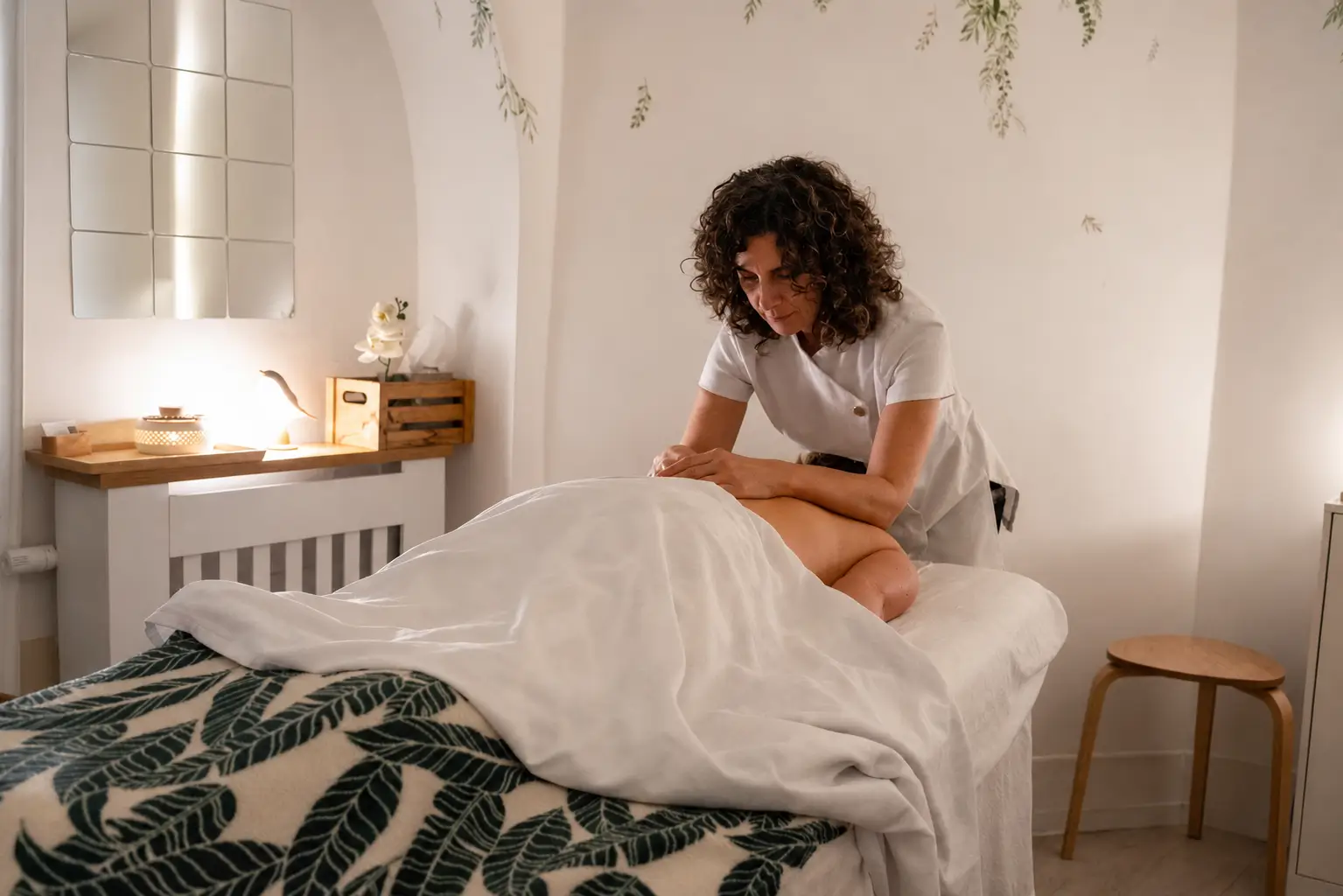
Massage places mechanical pressure on skin, muscles and other soft tissues. An area that was already sensitive, tense or recently overloaded may respond with temporary tenderness, especially when it receives more focused work than it is used to.

Your response may also vary according to the pressure used, how long one area was treated, your recent activity, sleep, stress, general health and sensitivity on that particular day. The exact reason cannot always be reduced to one simple mechanism.

Importantly, soreness is not evidence that “toxins” or lactic acid have been released. Those popular explanations are misleading. Post-massage tenderness is better understood as an individual, short-term response to touch and pressure.

Is it normal to be sore after a Deep Tissue Massage?

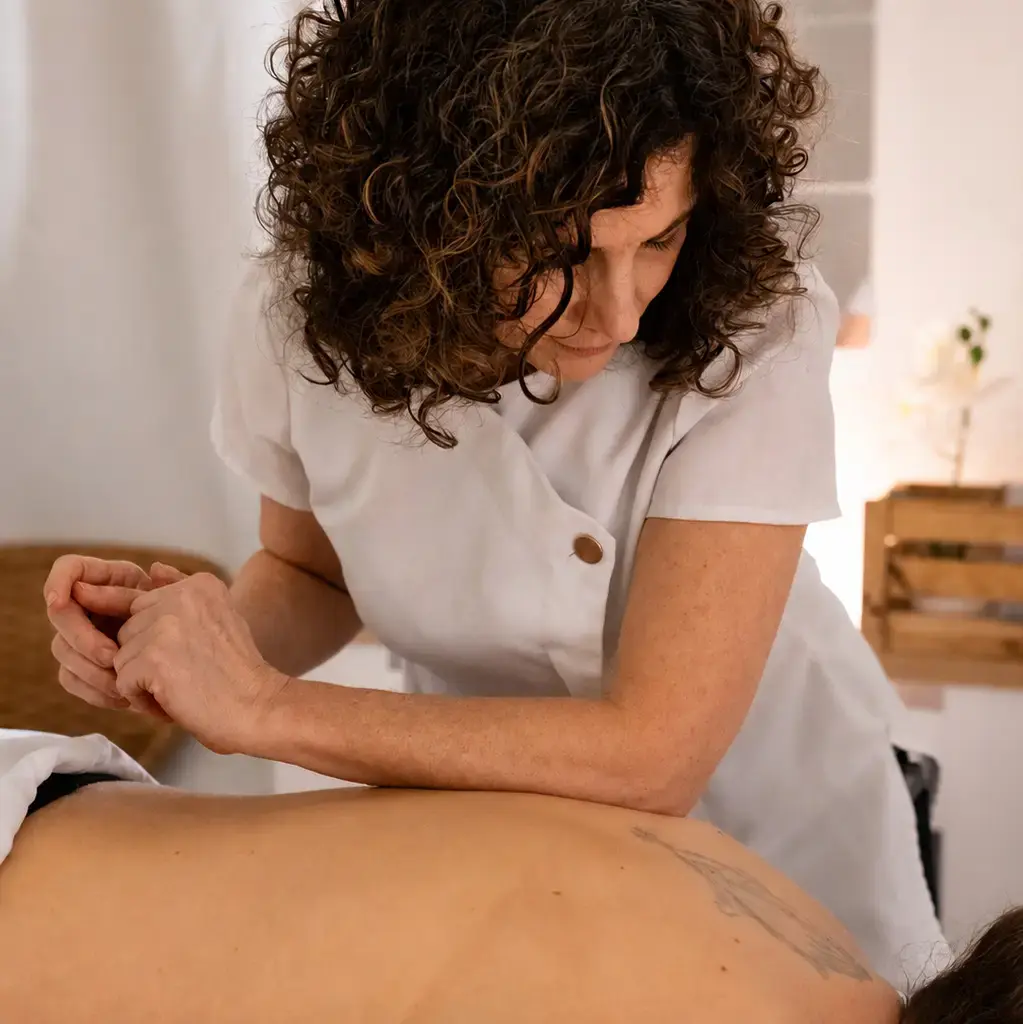
A little localised tenderness can occur after Deep Tissue Massage, particularly if the session included slow, concentrated work on an already sensitive area. It should remain mild, should not interfere significantly with normal movement and should gradually improve rather than intensify.

Deep tissue does not have to mean maximum pressure. As explained in the first article in this series, a massage does not need to hurt to be effective. More discomfort during or after treatment is not proof of a better result.

How long should massage soreness last?

Minor after-effects often begin within several hours and settle within approximately 24 to 48 hours. A study of massage clients found that most minor negative symptoms began within 12 hours and lasted 36 hours or less, although every person and treatment is different.

The important feature is the direction of change: mild tenderness should be easing. If pain is becoming stronger, lasts beyond a couple of days without improvement or affects your ability to move normally, contact the therapist and consider advice from a GP, physiotherapist or NHS 111.

What can help after a massage?

Aftercare does not need to be complicated. If you feel mildly tender:

    1. keep the rest of the day relatively gentle and avoid immediately testing the area with intense exercise
    2. continue comfortable everyday movement rather than remaining completely still
    3. use a warm shower or other gentle warmth if it feels soothing and is appropriate for you
    4. drink normally according to thirst; extra water is not required to “flush out toxins”
    5. notice whether the sensation is improving and tell your therapist before your next treatment.

If you have a health condition, recent injury or surgery, or you take medication that affects bleeding or sensation, follow the advice of your healthcare professional rather than generic aftercare.

When is pain after massage not normal?

Massage is generally low risk for many people, but vigorous treatment is not appropriate in every circumstance. Do not assume that every new symptom is simply part of the process.

Seek medical advice if you experience:

    • •  severe, sharp or rapidly worsening pain
    • •  significant or increasing swelling or bruising
    • •  new numbness, tingling, weakness or loss of normal movement
    • •  pain accompanied by fever or feeling generally unwell
    • •  symptoms that persist without improvement.

NHS 111 can advise when urgent assessment may be needed. Call 999 for emergency symptoms such as chest pain, severe breathing difficulty or sudden signs of a stroke.

How can post-massage soreness be reduced next time?

Tell your therapist how you felt after the previous session. Useful feedback includes where you felt sore, how intense it was and how long it lasted. The next treatment can then be adjusted through pressure, pace, positioning, technique or the amount of time spent on one area.

You can also speak up during the massage. If you begin holding your breath, bracing or pulling away, the pressure may no longer be useful. A Swedish Massage or a more moderate approach may sometimes suit your goal better than concentrated deep work.

Frequently Asked Questions

No. You may benefit from a treatment without feeling sore afterwards. Soreness is a possible response, not a measure of quality or effectiveness.

Comfortable everyday movement is generally reasonable, but it may be sensible to postpone intense exercise if the treated area feels tender. If symptoms are unusual or significant, seek individual advice.

Stay normally hydrated and drink according to thirst. Water supports general wellbeing, but there is no need to force large amounts to remove supposed toxins released by massage.

Yes, occasionally. Sensitivity depends on the person, the area treated and their circumstances that day, not only on whether the pressure felt firm.

Personalised Massage Therapy in Bath

At Mediterranean Therapy, every session begins with a conversation about your goals, comfort and relevant health information. Pressure is adjusted throughout the treatment, and your feedback helps shape future sessions.

If you are unsure which approach would suit you, explore Deep Tissue Massage in Bath or Swedish Massage in Bath, or contact Mediterranean Therapy for guidance before booking.

Visit Me for Your Massage in Bath

Enjoy your treatment at Mediterranean Therapy, located inside The Soul Spa a serene, centrally located wellness space in the heart of Bath:

📍 2 Hetling Court, Bath. Tel: 07378275075
👉 Click and get directions

Relax with a massage. Your expert massage therapist in Bath is ready to help you restore balance and calm, the best experience massage in Bath.

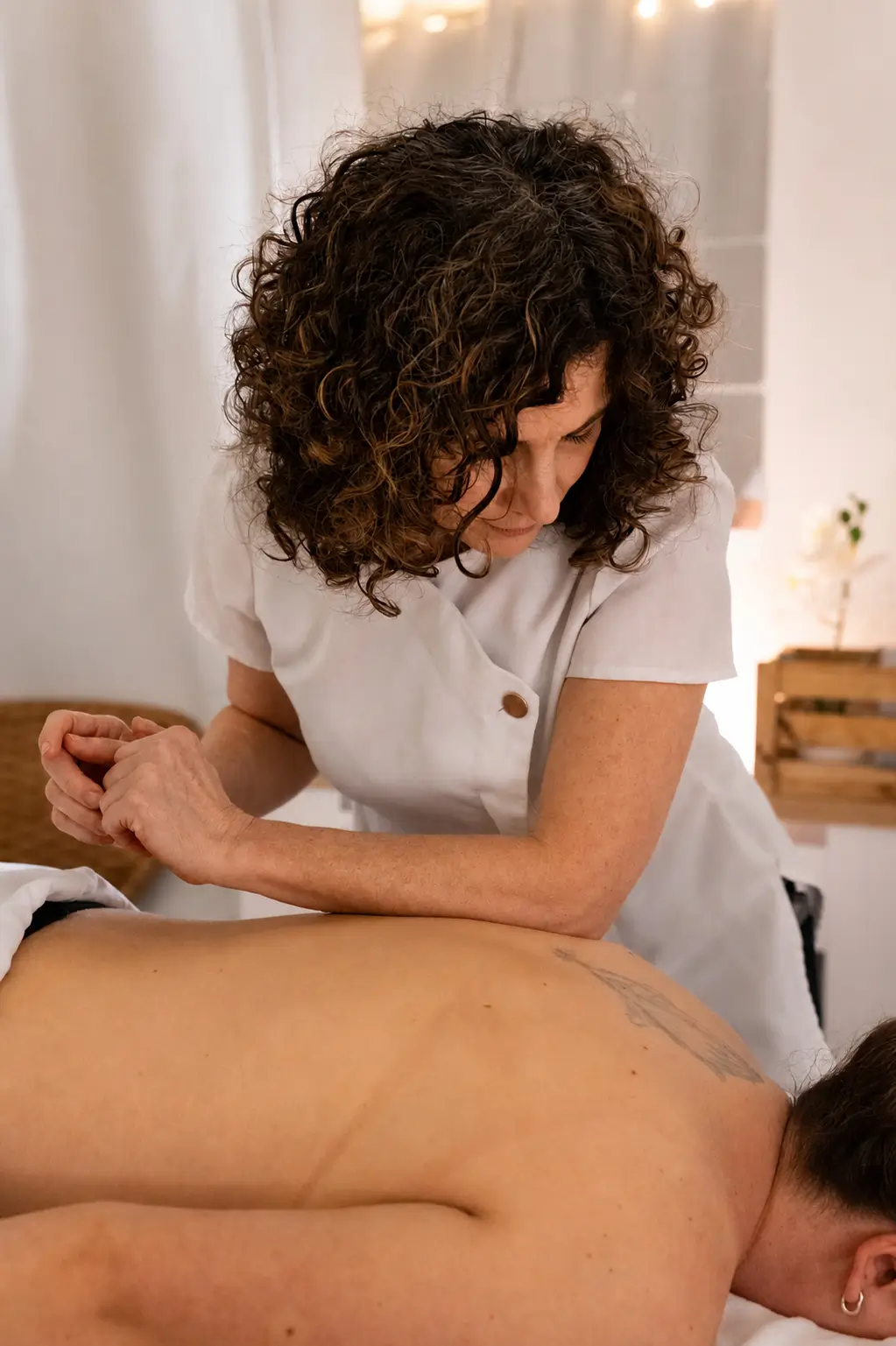
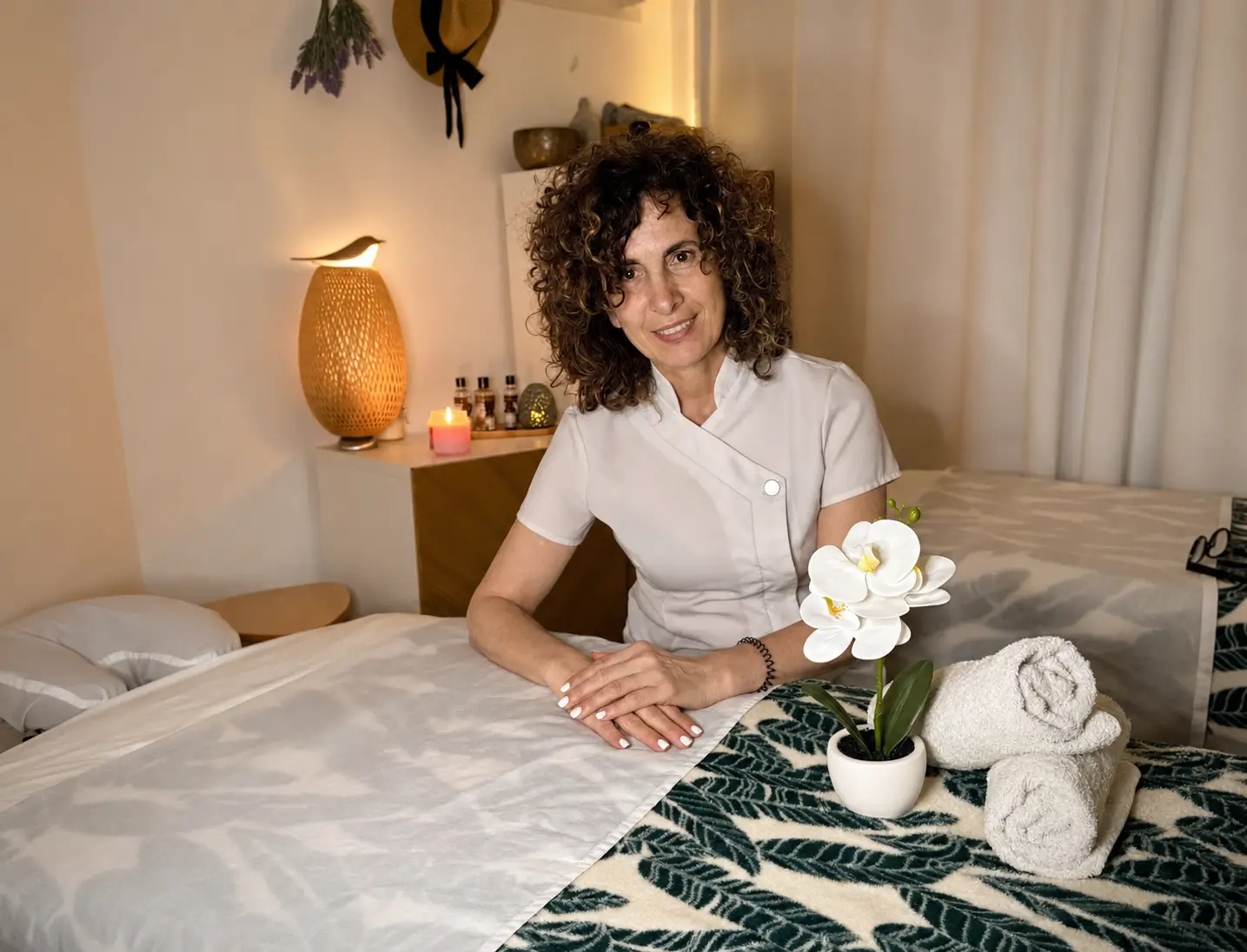
Teresa - Your Spa Therapist

Teresa - Your Spa Therapist

Massage therapist, facials and skincare with 5 star hotel experiences, an expert in a wide range of treatments.

Mediterranean Therapy
2 Hetling Court Bath - Tel: 07378275075

Leave Your Comment

Your email address will not be published. Required fields are marked *

Massage Therapist Posts

Massage & Rejuvenation Services

  • Back, Neck & Shoulder
    Back, Neck & Shoulder

    30 mins – Click to Book!

    £ 35
  • Couple Massage
    Couple Massage

    1 hour – Click to Book!

    £ 140
  • Deep Tissue Massage
    Deep Tissue Massage

    1 hour – Click to Book!

    £ 70
  • Lymphatic Drainage Massage
    Lymphatic Drainage Massage

    1 hour – Click to Book!

    £ 70
  • Hot Stone Massage
    Hot Stone Massage

    1 hour – Click to Book!

    £ 70
  • Pregnancy Massage
    Pregnancy Massage

    1 hour – Click to Book!

    £ 70

Follow me on Social Media

Shopping Basket